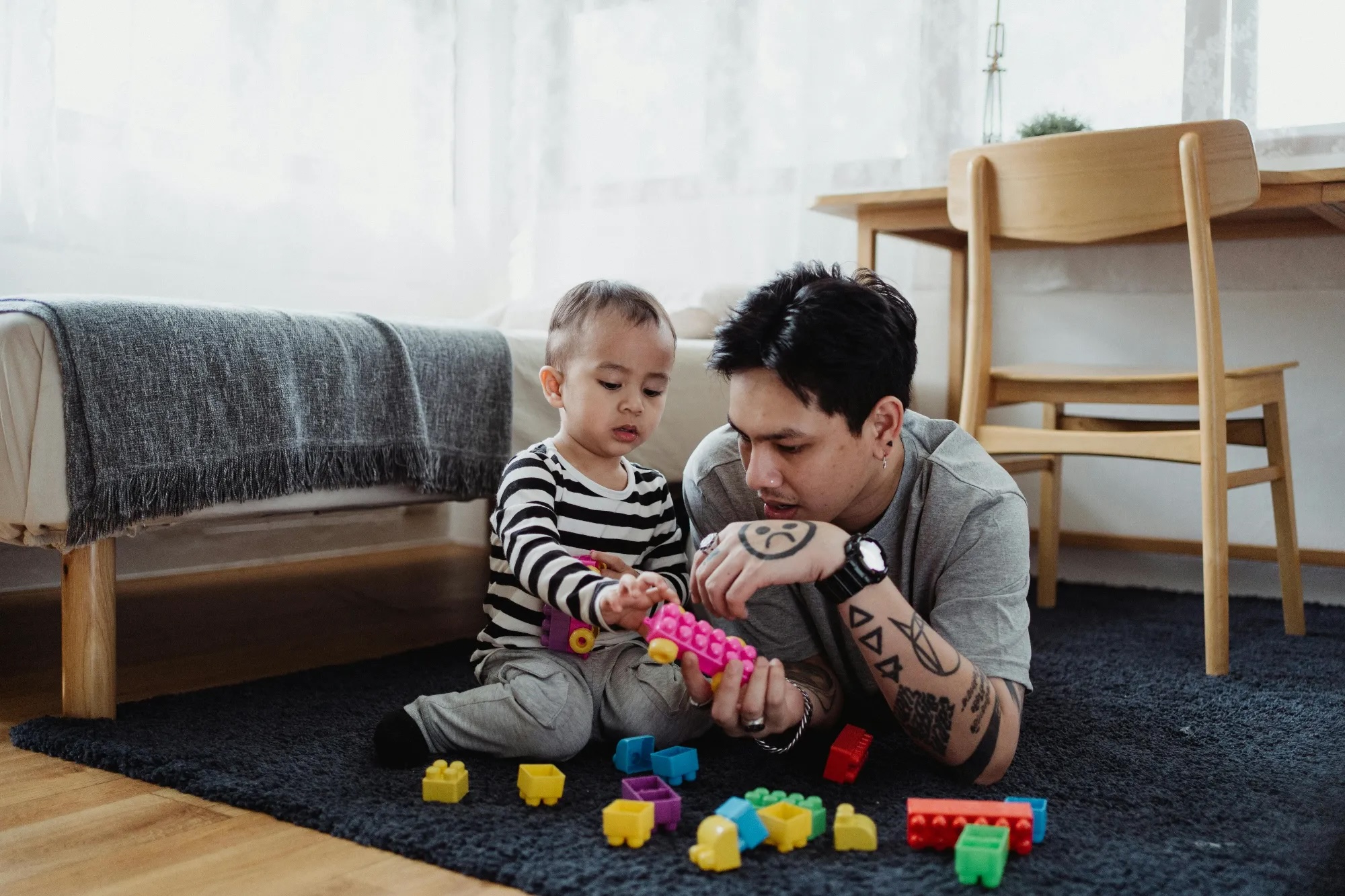
When your child needs therapy, it is common to hear about several different types of support. You may be told your child could benefit from speech therapy, occupational therapy, physical therapy, or behavioral therapy. Each of these services can play an important role in your child’s development.
But for many children, progress can happen more smoothly when those therapies work together instead of separately.
That is the idea behind integrated therapy.
Integrated therapy means your child’s providers work as a team. Rather than having each therapist focus only on their own area, they collaborate, communicate, and build one coordinated plan centered on your child’s everyday growth and success.
Kids Do Not Develop One Skill at a Time
Children do not learn in neat, separate categories. A child who is working on communication may also need help with sensory challenges, motor skills, social interaction, attention, or behavior. These areas often overlap in daily life.
For example, a child may struggle to express their needs clearly, but that same child may also have trouble staying regulated, joining play, or managing transitions. One challenge can affect another.
When therapy is integrated, children can receive support in multiple areas at the same time. This often helps them make progress faster because the people helping them are all working toward the same bigger picture.
One Team, One Plan
One of the biggest benefits of integrated therapy is that your child is not working with separate providers who all have different goals. Instead, the therapists share strategies and work together.
A speech therapist may introduce a new way for your child to communicate. An occupational therapist may help your child practice that skill during play. A behavioral therapist may reinforce it during social routines or structured activities.
Because the same skills are being supported in more than one setting, children often have more chances to learn, remember, and use them.
This team approach can make therapy feel more connected and more purposeful.
Skills Are Practiced in Everyday Ways
Children learn best when they can use their new skills in real-life situations.
If a skill is only practiced during one therapy session each week, it may take longer for that skill to become natural. But when a child practices the same skill in different activities and across different therapies, it can start to stick more quickly.
This kind of repeated practice can help children build confidence, use their skills outside of therapy, and become more independent in daily life.
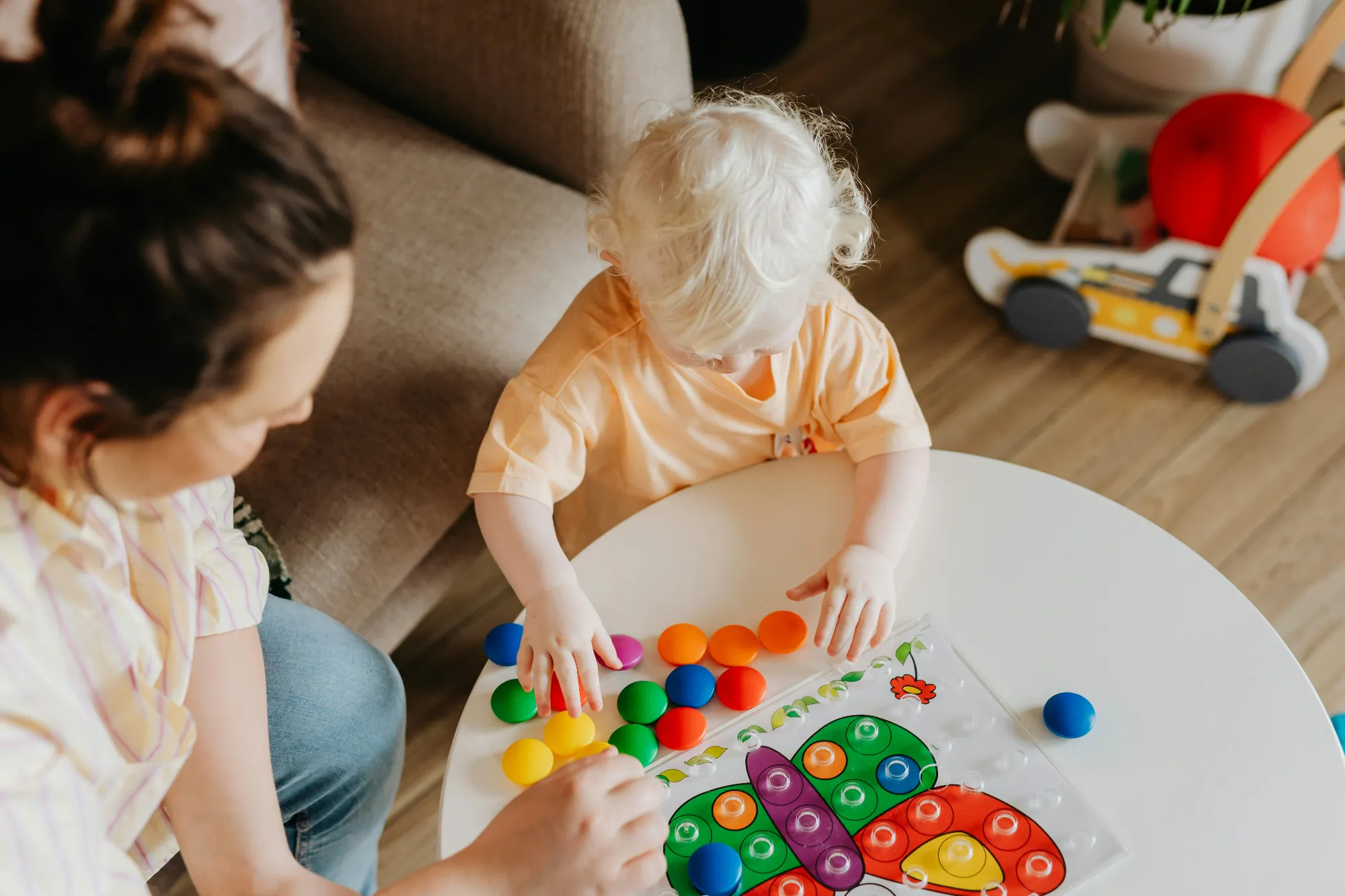
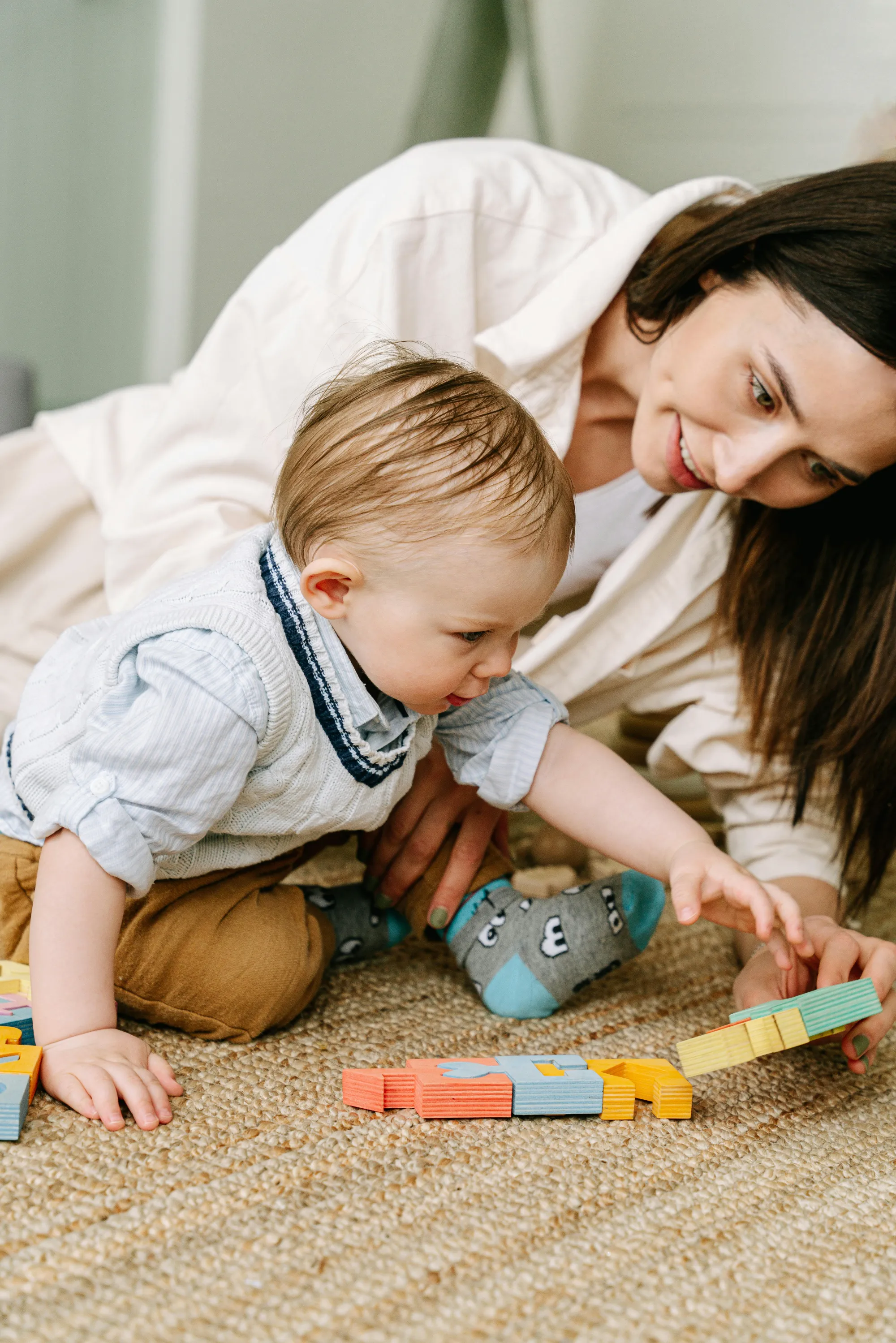
That might look like using communication skills during play, practicing motor skills during a routine activity, or learning how to handle transitions with support from multiple therapists who are using the same approach.
Parents Get Clearer Support Too
Integrated therapy is not only helpful for children. It can also make a big difference for families.
When providers work together, parents are more likely to receive one clear plan instead of separate instructions that may feel overwhelming or hard to connect. This can make it easier to understand what your child is working on and how to support that progress at home.
Many families find that a coordinated approach helps reduce confusion, makes home practice more manageable, and keeps everyone focused on the same goals.
When therapy feels more connected, it is often easier for parents to feel confident in the process.
Why Coordination Can Lead to Better Progress
Research has shown that children in coordinated, multidisciplinary therapy programs often experience strong benefits across many areas of development. These may include improved communication, better motor skills, more independence in daily routines, and stronger participation at home and at school.
When care is coordinated, children may have an easier time carrying new skills from one activity into another. Instead of learning something in isolation, they begin to use it more naturally in everyday life.
That is often where meaningful progress happens.
The Goal Is Real-Life Success
Therapy is not only about checking off goals in a session. It is about helping children communicate, move, play, participate, and grow with more confidence in their daily lives.
An integrated therapy model supports that by bringing people together around your child’s needs. It helps ensure that therapy is not fragmented, but connected in a way that makes sense for how children actually develop.
The Bottom Line
Children grow in many ways at once, and their therapy can work the same way.
When therapists collaborate as one team, children get more consistent support across different areas of development. That can help them build skills faster, use them more confidently, and make progress that carries into everyday life.
Because every child deserves support that helps them thrive.