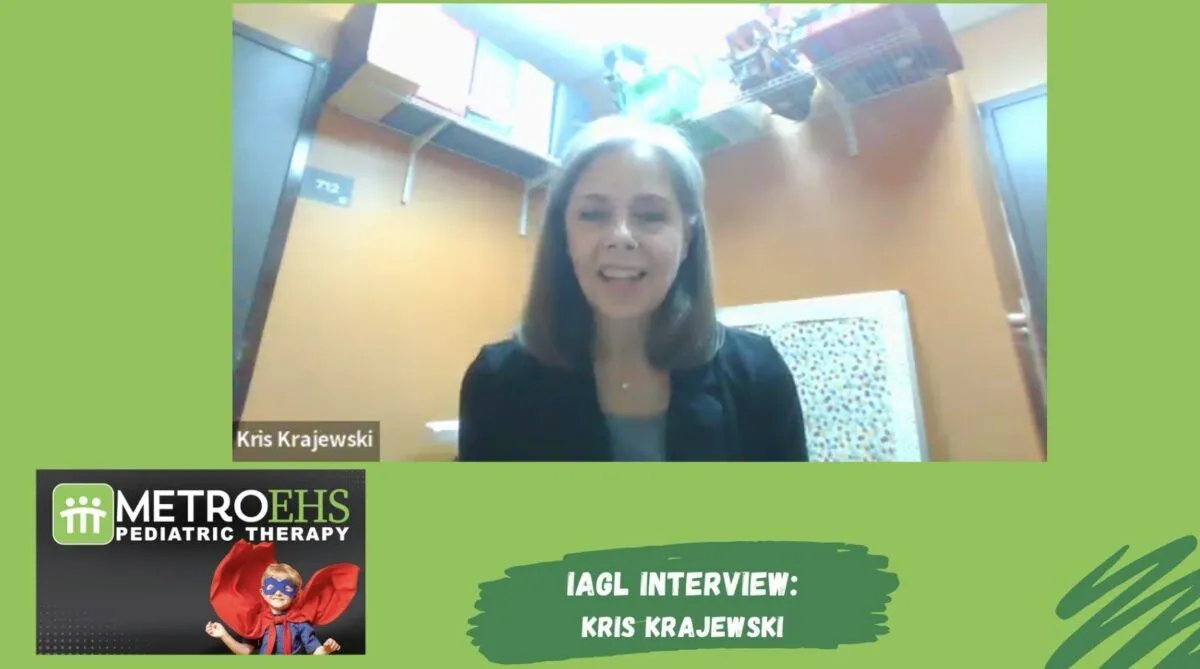









Navigating Grand Parenting Challenges: A Pathway to Expertise and Support

an interview of Kris Krajewski, a speech and language pathologist

In the fast-paced world of grand parenting, it’s crucial to stay informed and equipped with the best solutions for raising grandchildren. With approximately 3 million grandparents across the United States taking on the responsibility of raising their grandkids, there is a growing need for expert guidance and support. That’s where the podcast “It’s a Grand Life” comes in, connecting listeners with subject matter experts who understand the unique challenges faced by grand families.

A Valuable Resource:

In a recent episode, host Craig Nash warmly welcomed new listeners from Texas, Nevada, Colorado, Florida, and Alabama. He emphasized the importance of being informed about the best solutions for raising grandkids, setting the objective of “It’s a Grand Life” to present subject matter experts who can provide valuable insights and information.

Expertise in Pediatric Therapies:

The guest of the episode was Kris Krajewski, a speech and language pathologist with MetroEHS Pediatric Therapy, a group dedicated to pediatric therapy in Michigan. Kris shared her background and expertise in speech and language pathology, highlighting her passion for working with children and her personal experience as a parent of a child with Down syndrome.

Comprehensive Approach to Care:

MetroEHS offers a wide range of therapies, including speech, physical, and occupational therapy, as well as applied behavior analysis (ABA) and mental health services. Their focus is on a holistic and coordinated approach, providing support not only to the children but also to their families and caregivers. By incorporating various services, MetroEHS aims to address the unique needs of each child and help them reach their full potential.

Addressing Feeding and Swallowing Issues:

Kris shed light on pediatric feeding disorders, a relatively new diagnosis, and emphasized the importance of understanding the sensory challenges that some children face when it comes to food. MetroEHS provides interventions to help children develop tolerance for different textures and improve their chewing and swallowing abilities.

Navigating the Path to Treatment:

To begin the journey of seeking therapy services, Kris advised starting with a discussion with the child’s pediatrician, who can refer them to appropriate specialists for evaluations and treatments. MetroEHS collaborates with pediatricians, school districts, and insurance providers to ensure comprehensive and accessible care for children.

Supporting Grand Families:

The podcast episode acknowledged that the journey of raising grandchildren can be overwhelming, but it highlighted the importance of seeking help and support. MetroEHS welcomes inquiries and assists families in finding the right resources for their specific needs. Additionally, the Autism Alliance of Michigan was recommended as an excellent resource for families dealing with autism-related concerns.

Raising grandchildren comes with unique challenges, but resources like “It’s a Grand Life” and organizations like MetroEHS provide valuable expertise and support for grand families. By accessing specialized therapies and collaborating with professionals, grandparents can help their grandchildren thrive. Remember, you are not alone in this journey, and there are pathways to assistance and resources available to support you and your grand family along the way.


Continue Reading

October 12, 2021

Post Frenectomy Care

What is a Frenectomy?

A frenectomy is a minor surgical procedure involving the removal or modification of a frenulum, a small fold of tissue that prevents an organ in the body from moving too far.

Frenectomy Care

Follow Post-Op Instructions:

  • Adhere strictly to the post-operative care instructions provided by your healthcare provider.

Pain Management:

  • Use recommended pain relief medications as directed.
  • Apply cold compresses to reduce swelling and discomfort.

Oral Hygiene:

  • Keep the area clean to avoid infections. Gently rinse the mouth with a saline solution as advised.
  • Avoid using mouthwash with alcohol as it can irritate the surgery site.

Dietary Adjustments:

  • Stick to soft foods and avoid hot, spicy, or acidic foods that may cause irritation.
  • Ensure adequate fluid intake to stay hydrated.

Stretching Exercises:

  • Perform any stretching exercises as recommended by the surgeon to ensure proper healing and flexibility.

Monitor Healing:

  • Keep an eye on the surgical site for signs of infection such as increased redness, swelling, or discharge.
  • Contact your healthcare provider if you notice any unusual symptoms.

Follow-Up Appointments:

  • Attend all scheduled follow-up appointments to monitor the healing process and address any concerns.
March 26, 2025

Why Is Early Intervention Feeding Therapy So Important for Children?

In the grand battle of dinnertime, where broccoli becomes a villain and picky eaters stage epic showdowns, there exists a team of superheroes ready to save the day—Pediatric Feeding Therapists! These mighty champions use their super skills to help babies, toddlers, and children with feeding challenges, ensuring every little hero gets the nutrition they need to grow strong.

The Origin Story: What is Pediatric Feeding Therapy?

Pediatric feeding therapy unites speech therapists, occupational therapists, and sometimes behavior analysts (yes, ABA superheroes!) to help children overcome feeding struggles. Whether it’s a sensory issue, difficulty with chewing, swallowing, or just a deep-seated dislike for anything green, these experts use science, patience, and fun strategies to turn mealtime mayhem into moments of mastery.

Many young heroes-in-training face powerful foes:

The Texture Titan – That sneaky foe who makes certain foods feel ‘icky’ or unbearable.

The Gag Goblin – The reason some kids struggle with new foods and textures.

The Avoidance Avenger – The mastermind behind food refusals and dinnertime battles.

The Autism Anomaly – Children with autism often experience heightened sensory challenges that impact eating habits.

Fear not! Early intervention in feeding therapy provides the best chance to defeat these villains before they gain strength. The sooner a child receives support, the more likely they are to develop healthy eating habits that last a lifetime.

In all seriousness, some pediatric feeding disorders are complex and often require a comprehensive approach individualized for each child and family. MetroEHS provides scheduling options dependent upon the family schedule and the severity of the diagnosis. All evaluations are performed by a Team of Feeding/Swallowing Specialists. MetroEHS Speech-Language Pathologists, Occupational Therapists, and Physical Therapists work in tandem with Parents to improve feeding and swallowing disorders.

The Power of Breastfeeding Support

For the tiniest superheroes just starting their feeding journey, breastfeeding support and lactation therapy can make a world of difference. Some babies face challenges with latching, tongue ties, or milk transfer, which can make feeding difficult and stressful for both baby and parent. Lactation consultants and feeding therapists work together to provide guidance on positioning, improving latch techniques, and addressing any underlying oral-motor issues. Early support ensures that even the youngest heroes get the nourishment they need to thrive from day one!

The Superpower of Early Intervention in Feeding Therapy

Early intervention is like unlocking a hidden superhero ability—striking before the villains take full control! The benefits of starting pediatric feeding therapy as soon as you suspect an impending battle or villainous origin story:

Building Healthy Eating Habits: Introducing a variety of foods early makes for a well-rounded diet.

Improving Oral-Motor Skills: Strengthening those tiny mouth muscles for better latch or better chewing and swallowing.

Reducing Mealtime Stress: No more dinnertime showdowns! Parents and children both enjoy a more relaxed experience.

Enhancing Independence: Teaching kids to confidently try new foods and textures on their own.

Assembling Your Feeding League

If your baby, toddler, or child struggles with eating, picky eating, or sensory issues, it’s time to call in the feeding therapy superheroes. ABA techniques, occupational therapy, and speech therapy can all work together to build confidence at mealtime.

Remember, every great hero starts somewhere and learns new skills best when they are small. With early intervention and the right team behind them, your little one can transform from a mealtime sidekick into a fearless food explorer!

Is your child ready to join the Feeding League? The adventure begins now!

June 23, 2023

Registered Behavior Technician FAQs

Q: What is the RBT certification?

A: RBT certification is a paraprofessional certificate that is in the behavioral analyst field, and you work under the BCBA or BCABA treating and providing services to our kids.

Q: What are the requirements?

A: What it takes to become an RBT here at MetroEHS is you must be 18 years old, a high school diploma, you need the 40 hours of training, and then take a competency test with the supervisor, and then you apply at the BACB website, and take a test, and become an RBT.

Q: What does the training consist of?

A: The RBT training consists of like an interactive and comprehensive 40-hour training that you work in a small group or one on one with other technicians or your BCBA. You’re out in the clinic, hanging out with the kids, learning and watching how they run programs. That could be at the table time or out in natural environment and once you understand the new words in the ABA field, you take your competency test and take the test at the website.

Q: What is the competency test?

A: The competency test is when the supervisor comes out the clinic with you and they watch how you run programs, they interview you, ask questions about the terminology and it’s pretty much just one on one time or you and the supervisor and your client to make sure you understand the terminology and what you’re actually doing and it’s highly encouraged to actually take your RBT test within 90 days of your 40 hour training. It is free of charge. You take the test at the BACB website.

Apply now!

Q: How do I maintain my credentials?

A: To maintain my credentials as an RBT here at MetroEHS, I track all my supervision hours, and I retake my competency test at the year mark or year anniversary of my RBT testing date.

Q: What are the benefits if earning an RBT certification?

A: MetroEHS offers two benefits for becoming an RBT. One is a raise and two, once you become an RBT, you have more opportunities to move up the ladder and become admin or fun stuff.