









How Can Parents Prevent Youth Sports Injuries?

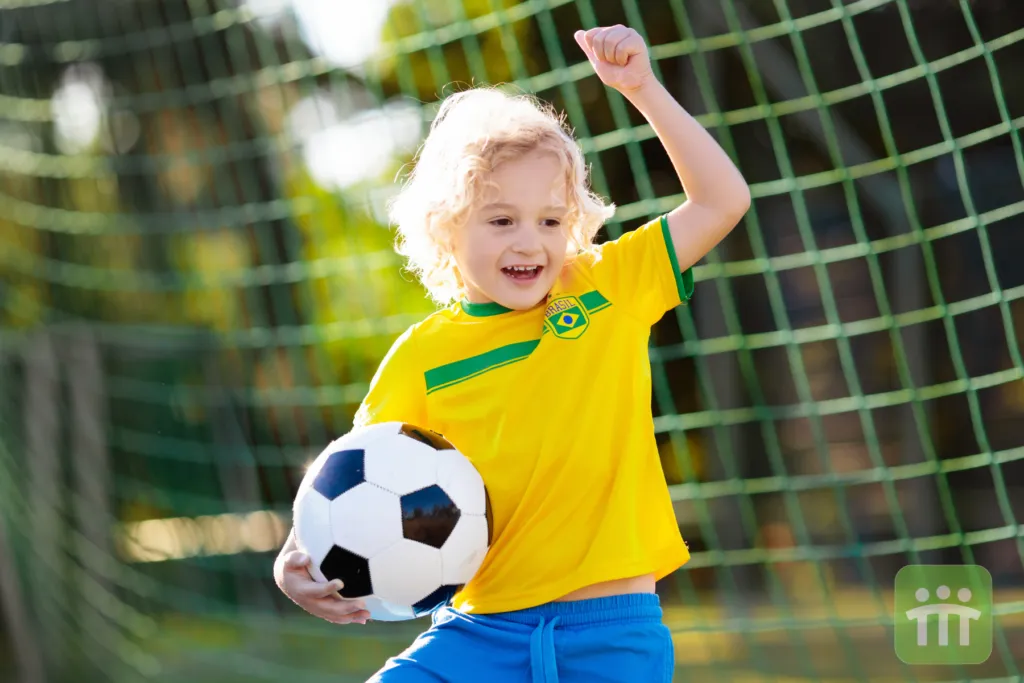
a happy white boy playing soccer in uniform

Youth sports are a cornerstone of childhood, offering numerous benefits such as physical fitness, teamwork, and discipline. However, with the increasing intensity and competitiveness in youth sports, injuries among young children are becoming more prevalent.

According to the National SAFE KIDS Campaign and the American Academy of Pediatrics: More than 3.5 million children (about twice the population of Nebraska) ages 14 and younger get hurt annually playing sports or participating in recreational activities. There are a few steps that parents can take to potentially prevent injuries in sporting activities and keep the fun on the field!

Ensure Proper Conditioning and Training

  1. Pre-Participation Physical Exam: Before starting any sport, have your child undergo a physical exam to ensure they are fit to participate.
  2. Proper Training: Enroll your child in programs with certified coaches who emphasize proper techniques and conditioning.
  3. Strength and Flexibility: Encourage exercises that build strength and flexibility. Strength training should be age-appropriate, focusing on technique rather than heavy weights.

Use Appropriate Equipment

Protective Gear: Ensure your child uses sport-specific protective gear such as helmets, mouthguards, pads, and appropriate footwear. All equipment should fit well and be in good condition.
Regular Checks: Inspect equipment regularly for wear and tear. Replace damaged gear promptly to maintain safety standards.

Promote Safe Playing Techniques

  1. Warm-Up and Cool-Down: Encourage a proper warm-up before and cool-down after practices and games to prevent muscle injuries.
  2. Teach Safe Techniques: Ensure coaches emphasize and teach safe playing techniques, particularly in contact sports. Children should understand the rules of the game and the importance of fair play.
  3. Avoid Overuse: Limit repetitive movements that can lead to overuse injuries. Ensure your child gets sufficient rest and recovery time between practices and games.

Encourage Open Communication

-Listen to Your Child: Encourage your child to speak up about any pain or discomfort. Ignoring pain can lead to more severe injuries.
-Monitor for Signs of Fatigue: Watch for signs of fatigue or burnout, which can increase the risk of injury. Ensure your child gets adequate rest and maintains a healthy balance between sports and other activities.

Foster a Balanced Approach

-Limit Specialization: Avoid having your child specialize in one sport or activity at a young age. Encourage participation in various activities from soccer to piano lessons to promote physical development and reduce the risk of overuse injuries.
-Adequate Rest: Ensure your child gets enough rest, including off-season breaks, to allow their body to recover and grow stronger.

Educate on Nutrition and Hydration

-Balanced Diet: Provide a balanced diet rich in vitamins and minerals to support your child’s physical activity. Include a variety of fruits, vegetables, lean proteins, and whole grains.
-Stay Hydrated: Teach your child the importance of staying hydrated before, during, and after physical activities. Encourage them to drink water regularly, especially in hot and humid conditions.

Work with Healthcare Providers

  1. Regular Check-Ups: Schedule regular check-ups with a healthcare provider to monitor your child’s overall health and development.
  2. Follow Medical Advice: If your child is recovering from an injury, strictly follow the healthcare provider’s advice regarding rehabilitation and when it is safe to return to sports. Stay Informed and Involved
  3. Educate Yourself: Stay informed about the risks associated with your child’s sport and the best practices for injury prevention.
  4. Active Participation: Be actively involved in your child’s sports activities. Attend practices and games to observe the coaching methods and the environment.

Preventing injuries in youth sports requires a proactive approach from parents. Through these efforts, parents can help their children enjoy the benefits of sports while minimizing the risks. Sometimes, even with parents’ and coaches’ best intentions, injuries can occur.

Common Youth Sports Injuries

Injuries in youth sports can range from minor bruises to severe fractures. Here are some of the most common injuries:

  1. Sprains and Strains: These occur when ligaments (sprains) or muscles (strains) are overstretched or torn. Common sites include the ankle, knee, and wrist.
  2. Fractures: Broken bones are a frequent result of high-impact sports or falls. The wrist, arm, and collarbone are often affected.
  3. Overuse Injuries: Conditions like shin splints and stress fractures arise from repetitive motion. They are particularly common in sports requiring long periods of training, such as running and swimming.
  4. Concussions: Head injuries are serious and can occur in contact sports like football, soccer, and basketball. They require immediate medical attention.

The Role of Physical Therapy

Physical therapy plays a critical role in the recovery and rehabilitation of young athletes. Here’s why it’s frequently prescribed:

  1. Personalized Rehabilitation Plans: Physical therapists develop customized treatment plans tailored to the specific injury and the child’s needs. This ensures a targeted approach to healing.
  2. Pain Management: Techniques such as ice therapy, heat therapy, and electrical stimulation help manage pain effectively, promoting a quicker return to normal activities.
  3. Improving Mobility and Strength: Therapists use exercises to enhance flexibility, strength, and range of motion. This is crucial for preventing future injuries.
  4. Education and Prevention: Physical therapists educate young athletes and their families on proper techniques, warm-up exercises, and ways to prevent re-injury.

Frequency of Physical Therapy Prescription

The prescription of physical therapy varies depending on the severity and type of injury. However, statistics indicate a growing reliance on physical therapy for youth sports injuries:

Research shows that nearly 30-50% of youth athletes with moderate to severe injuries are prescribed physical therapy as part of their treatment plan. This percentage highlights the critical role physical therapy plays in the comprehensive recovery process for young athletes.

Youth sports injuries are an unfortunate but common aspect of an active childhood. While they can be alarming, the right approach to treatment, including the strategic use of physical therapy, can significantly enhance recovery outcomes. By focusing on personalized rehabilitation, pain management, and preventative education, physical therapy helps young athletes get back on their feet—stronger and more resilient than before.

As the world of youth sports continues to grow, understanding and mitigating the impact of sports injuries through effective therapeutic interventions will remain crucial in safeguarding the health and well-being of young athletes. By fostering awareness and providing appropriate care, we can ensure that youth sports remain a positive and enriching experience for all children.

Continue Reading

April 20, 2021

Metrotelepractice In Metropolitan Detroit

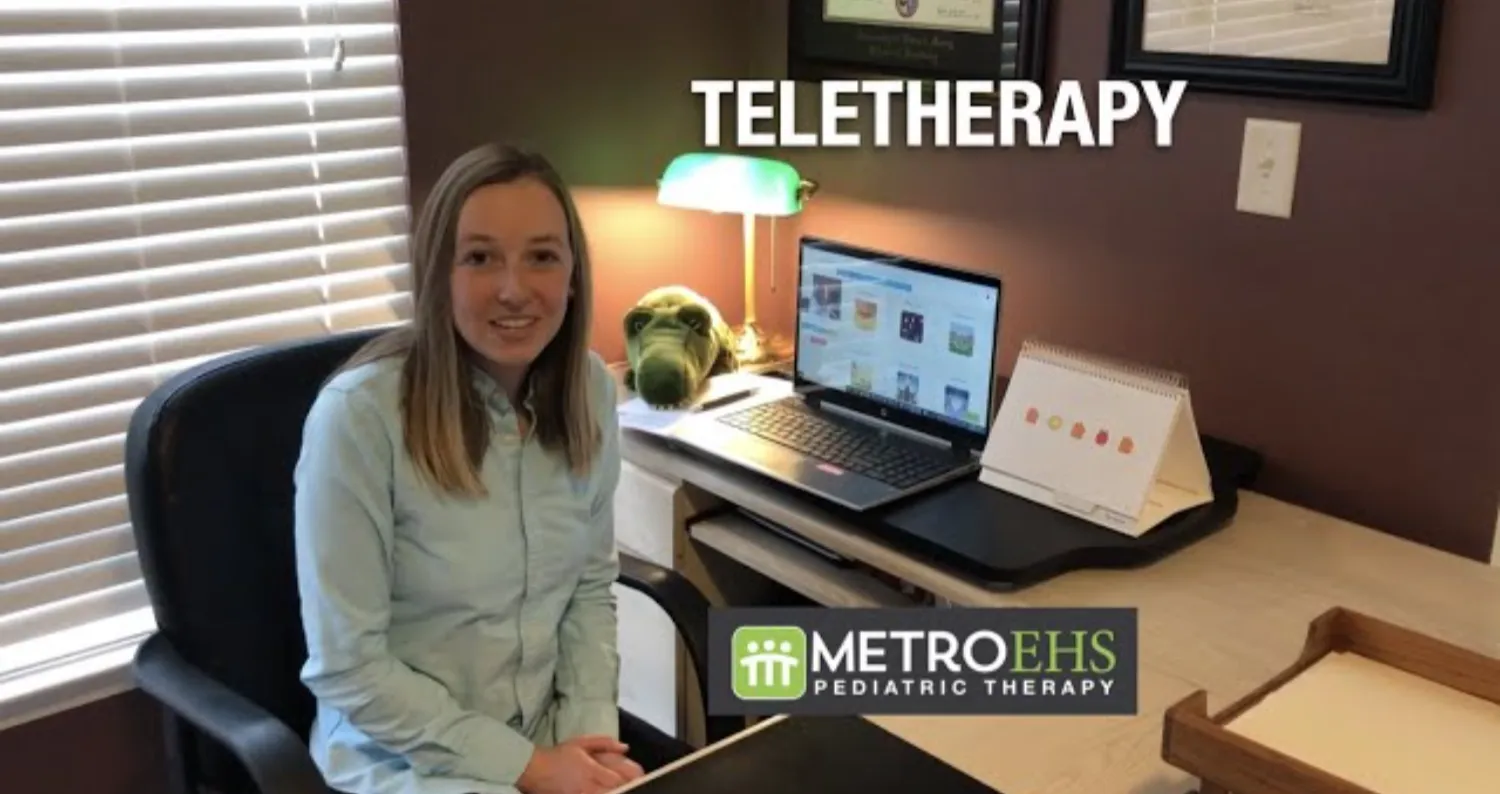
Speech, Occupational and ABA Therapy provided in the comfort of your home via Teletherapy!

Teletherapy

MetroEHS Pediatric Therapy proudly offers excellent therapy to our clients, and service them in a way that suits their individual needs. Speech, Occupational and ABA Therapy provided in the comfort of your own home via Teletherapy! Teletherapy, or telepractice, uses a HIPPA compliant and secure video platform, similar to Skype, to connect a client to a specially trained Speech-Language Pathologist or Occupational Therapist for live, individual treatment sessions. This virtual therapy is an excellent option for families all over Michigan who home-school, have busy schedules, or anyone who otherwise have a difficult time coming into the clinic. Contact us if you think Teletherapy would be a good fit for your family!

In addition to individual families, MetroEHS also offers Teletherapy to schools in Michigan to keep IEP’s in compliance. Please visit our Staffing Page to explore more.

Frequently Asked Questions
  1. Will my insurance cover Teletherapy?
    Most insurances cover Teletherapy, including many BCBS plans. Community Mental Health is not currently covering Teletherapy in the Metro Detroit counties, but this could change in the future.
  2. How old does my child have to be to participate?
    Any age! If a child is young or active, the therapy session will be geared towards “parent training”. The therapist will provide materials and coach the parents to implement the goals and provide feedback.
  3. Do kids find it boring?
    No! Our Teletherapy website offers a variety of picture cards and we always incorporate games to keep clients engaged. Kids also love having the attention of their parent and the person on the other side of the screen. It’s all about them!
  4. What do I need to use Teletherapy?
    You will need internet connection, a computer or tablet with a camera, microphone, and speakers. Headsets are not required.
  5. How will I access the platform?
    Your therapist will send you an email and you will make a free account. When it is time for your session, you will receive another email with a link to the session, you will put in your password, and you will be connected with your live therapist.
  6. What if I live outside of Michigan?
    Due to state licensing requirements, we are only able to provide therapy to residents of Michigan.
June 17, 2022

What Is the TheraSuit Method and How Does It Help Children Build Motor Skills?

History of TheraSuit

Richard and Izabela Koscielny are physical therapists, who have a daughter diagnosed with cerebral palsy and tried out suit therapy with her. After significant improvements with the suit, they modified and created their own suit specialized for therapeutic benefits, called TheraSuit™.

How Does TheraSuit Work?

  • TheraSuit worn over a prolonged time will correct proprioception and accelerate progress with functional strengthening
  • Skills practiced become more fluent when TheraSuit is worn
  • TheraSuit facilitates the development of new gross and fine motor skills faster than typical therapy approaches

Benefits Seen with TheraSuit

  • Retraining the central nervous system
  • Restores ontogenetic development
  • Provides external stabilization
  • Normalizes muscle tone
  • Aligns the body to as close to “normal” as possible
  • Provides dynamic correction
  • Normalizes gait patterns
  • Provides tactile stimulation
  • Influences the vestibular system
  • Improves balance
  • Improves coordination
  • Supports weak muscles
  • Decreases uncontrolled movements in ataxia and athetosis
  • Improves body and spatial awareness
  • Provides resistance to muscles to further enhance strengthening
  • Improves speech production and fluency through head control and trunk support
  • Promotes gross and fine motor development
  • Helps decrease contractures
  • Helps improve hip alignment through vertical loading
image

Patient Populations

  • Most major neurological diseases/diagnoses:
    • Autism
    • Down Syndrome
    • Cerebral Palsy
    • Cerebral Vascular Acciden
    • Traumatic Brain Injury
    • Spinal Cord Injury
  • Posture/alignment asymmetries
image

Intensive Physical Therapy Schedule

  • Intensive physical therapy is meant to be done 3 hours/day, for 5 days/week for 3-5 weeks
  • Recommended to complete 3-4 intensive bouts of therapy throughout the year
  • Breaks between the bouts have been shown to be more beneficial for the patient vs continuously pushing for months on end
  • Recommended to complete HEP 1-hour/day to compliment exercises done in intensive, allowing the patient to not only maintain, but improve their functional abilities
  • The schedule of 4  weeks was created specifically in order to change the neuro-pathways, and allow for increased improvements

In General

  • Week 1 works on correct muscle activation and beginning to complete basic concentric exercises
  • Week 2 works on solidifying concentric movements and working into eccentric movements
  • Week 3 solidifies the eccentric movements and introduces isometric holds
  • Week 4 focuses all on isometric holds, working into more complex exercises, as well as creating POC and HEP for time off between bouts of intensive

Work to decrease primitive reflexes and general movements that are present → goal-directed movements → selective effective strategies → refining skills → maintaining through practice

March 24, 2023

How Does Play Support Child Development?

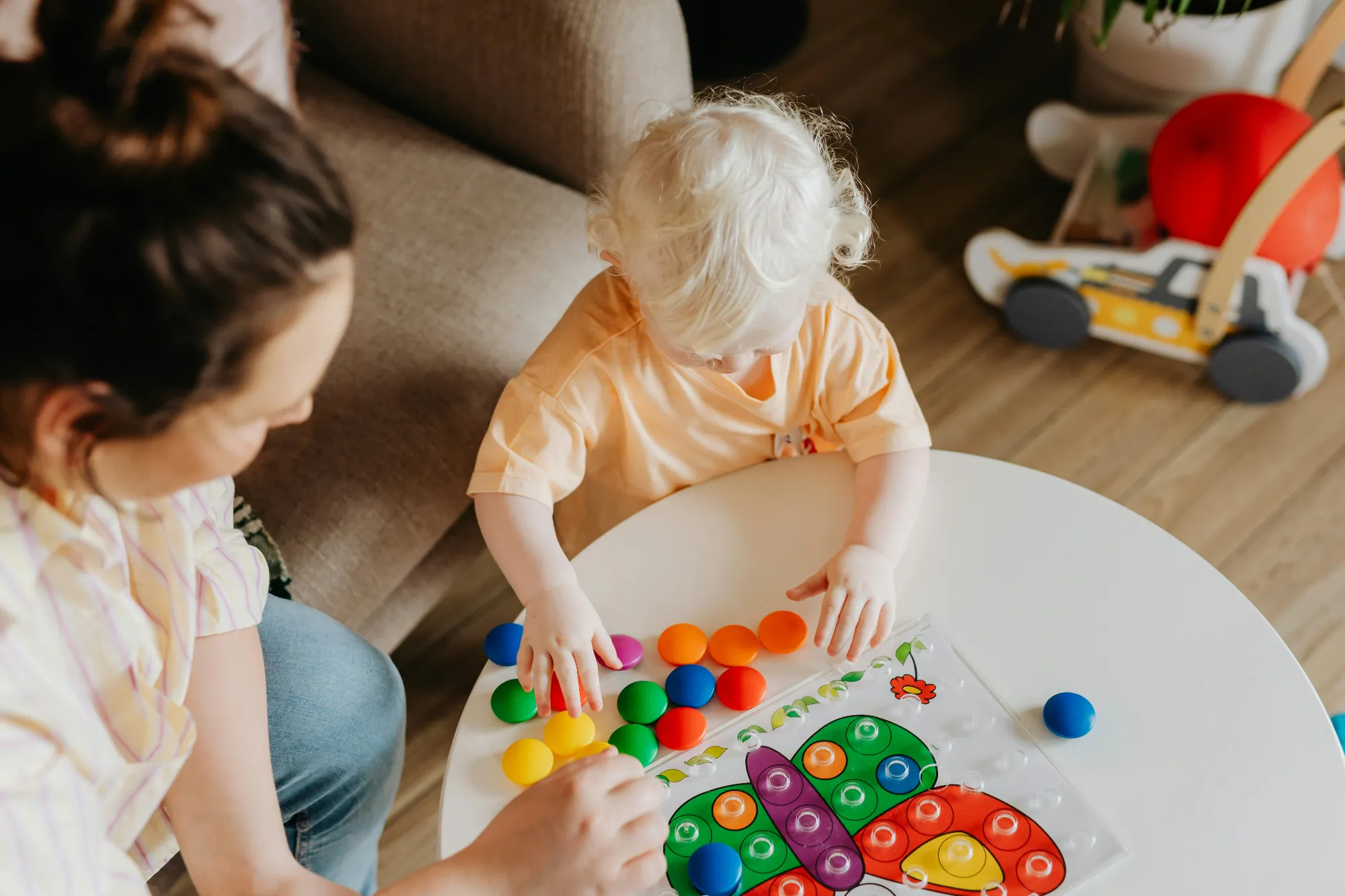
Play is crucial for children’s physical, social, emotional, and cognitive development. Through play, children learn important life skills such as problem-solving, creativity, social interaction, and self-regulation. Play allows children to explore their environment, experiment with different ideas, and express themselves in ways that are natural and meaningful to them.

Play can take many forms, including physical play, imaginative play, sensory play, and social play. Children learn best through play that is meaningful and engaging to them, so it is important for parents, caregivers, and educators to provide a variety of play opportunities that are tailored to a child’s individual needs and interests.

What is play?

Play includes fun activities enjoyed independently or with others. Play has no rules, and people make up their own games. Play can be inside or outside. It uses things around us, like balls and sticks. Playing helps us learn how to get along with others and think about new things.

Types of play:

  • Social Play is when kids play together. For example, playing soccer.
  • Symbolic Play is when you pretend. You can do this from 18 months to 5 years old.
  • Practice Play is doing the same thing repeatedly to learn how to do it better. For example, you might practice throwing a ball.
  • Sensorimotor Play is used by infants. This means that they use their senses and move around. An example of this is shaking a rattle.
  • Constructive Play is when kids make something. For example, building with legos or painting with their fingers.    

Play helps a child…

  • Build Imagination and Creativity
  • Foster Cognitive Growth
  • Improve Literacy
  • Improve Emotional Well-Being
  • Encourage Greater Independence

Play is not just a fun activity for children but a vital part of their development. Therefore, it is essential to support and encourage play in children and create a safe and stimulating environment for them to explore and learn.