









The Importance of Reading and Speech Development

a young asian mother reading to her son

Unleashing the Superpower of Words: The Importance of Reading and Speech Development with MetroEHS Pediatric Therapy

Greetings, heroes of child development! At MetroEHS Pediatric Therapy, we believe every child has a SUPER spark waiting to shine, and there’s no greater way to ignite that spark than encouraging a love of reading. Like a trusty cape, developing reading skills empowers children to soar through life with confidence, connection, and success. Let’s dive into why nurturing these abilities is a game-changer for your little hero’s growth, all while embracing the compassionate, play-based approach that defines MetroEHS!

The Superpower of Reading: Building a Foundation for Success

Reading is more than just decoding words on a page—it’s a superpower that unlocks imagination, knowledge, and communication. For young children, reading acts as a catalyst for cognitive and emotional growth, especially during the critical early years when the brain’s neuroplasticity is at its peak. According to our MetroEHS mission, early intervention is key to leveraging this neuroplasticity, helping kids develop essential skills like speech, comprehension, and social interaction.

When children engage with stories, they’re not just following along—they’re building vocabulary, learning sentence structure, and developing critical thinking. Picture your little one giggling at a silly rhyme or pointing excitedly at a colorful picture book. These moments are more than just fun; they’re wiring their brains for language mastery! Reading exposes children to new words and concepts, fostering a love for learning that sets them up for success in the classroom and beyond.

Speech Development: Giving Voice to Their Inner Hero

Speech development is the megaphone that amplifies a child’s thoughts, feelings, and ideas. At MetroEHS, we know that clear communication is vital for connection and engagement, two pillars of life which enhance quality of life. Through play-based therapy, our therapists create a joyful environment where children feel safe to express themselves, whether through words, sounds, or even playful gestures.

Speech isn’t just about pronouncing words correctly—it’s about building confidence and social skills. When children struggle with speech delays, it can impact their ability to connect with peers or express their needs. That’s where MetroEHS swoops in with intensive, evidence-based interventions. By focusing on consistent, tailored support (think five times a week for maximum impact!), we help children overcome challenges and unlock their ability to communicate effectively.

Reading Fuels Speech Development

Reading and speech development are like two sidekicks working together to save the day. When children listen to stories or read aloud, they practice articulation, rhythm, and intonation. Storytime becomes a playground for language, where kids mimic sounds, learn new phrases, and build the confidence to share their own stories. Our play-based approach at MetroEHS harnesses this magic, using activities like storytelling and role-playing to make speech practice feel like an adventure.

For example, a child might act out a scene from their favorite book, practicing words like “roar” or “zoom” with a therapist’s guidance. These playful interactions not only improve speech clarity but also boost emotional well-being by creating a safe space for self-expression. Plus, reading together with parents or caregivers strengthens family bonds, aligning with our collaborative care model to empower families for long-term success.

Here’s the superhero secret: timing is everything.

The earlier we nurture reading and speech development, the greater the impact. MetroEHS emphasizes intensive early intervention because young brains are wired to learn and adapt. Parents swoop in heroically and read to their little superheroes daily. Therapists address any speech delays or reading challenges, mitigate developmental delays and set children on a path to achieve their full potential. Think of it as giving your child a head-start in their heroic journey!

Unleash Your Child’s Superpowers Today!

Ready to help your little hero soar? At MetroEHS Pediatric Therapy, we’re passionate about revealing the SUPER in every child through compassionate, play-based care. Learn how our evidence-based therapies can empower your child’s reading and speech development. Contact us today to schedule a consultation and join our mission to foster connection, engagement, and success!
Continue Reading

July 18, 2024

Why Do Some Children With Autism Toe Walk—and What Can Parents Do?

Are you concerned about your child’s toe walking habits? Toe walking, a common concern for parents, can sometimes be associated with autism spectrum disorder (ASD). Understanding the connection between toe walking and autism is crucial for early intervention and support.

What is Toe Walking?

Toe walking refers to a walking pattern where a person walks on their toes or the balls of their feet without their heels touching the ground. While occasional toe walking in toddlers is common, persistent toe walking beyond the age of two may indicate an underlying issue.

The Connection with Autism

Toe walking is often observed in children with autism spectrum disorder (ASD). While not all toe walkers have autism, studies suggest that many children with ASD exhibit toe walking behavior. Children with Autism often have higher sensory seeking behaviors, and being up on their toes gives them deep sensory input through their feet and in their contracted calf muscles. This connection can lead to more targeted interventions and support from therapists and parents.

How Can a MetroEHS Physical Therapist Help?

Physical therapy plays a crucial role in addressing toe walking in children, especially those with autism. A skilled physical therapist can:

  • Assess the Underlying Causes: A physical therapist will conduct a comprehensive evaluation to identify any underlying factors contributing to toe walking, such as muscle tightness, sensory issues, muscle weakness, or lack of range of motion.
  • Develop Individualized Treatment Plans: Based on the assessment, the physical therapist will create a personalized treatment plan tailored to your child’s needs. This plan may include stretching exercises, strengthening activities, balance training, or different sensory inputs.
  • Educate and Empower Families: MetroEHS Physical Therapists work closely with families to educate them about toe walking and provide strategies for home exercises and activities to support their child’s progress.

Toe-walking can impact your child long-term if left untreated:

Toe walking will impact your child’s overall body positioning, posture, and muscles. With toe walking, because of these impacts, it will also change the load of the body’s joints and likely cause chronic pain as the individual ages. It is common for toe walkers to lose range of motion in their ankles, preventing them from being able to reach their heels to the ground and causing their Achilles tendon to shorten. In more severe cases, if the Achilles tendon shortens too much, the only way to regain that length is with a surgical lengthening.

Take the First Step Towards Support

If you’re concerned about your child’s toe walking or suspect they may have autism, early intervention is key. Schedule an evaluation with a qualified physical therapist who specializes in pediatric care. Together, we can help your child take confident steps towards improved mobility and independence.

November 4, 2019

MetroEHS Pediatric Therapy & Challenge Detroit

Challenge Detroit was founded in 2008, with a mission that reads; “We develop, support and connect emerging and existing community-minded leaders, amplifying the positive impact on our diverse, cultural vibrant city.” Challenge Detroit is making a difference.

MetroEHS Pediatric Therapy is proud to be a host company with Challenge Detroit.

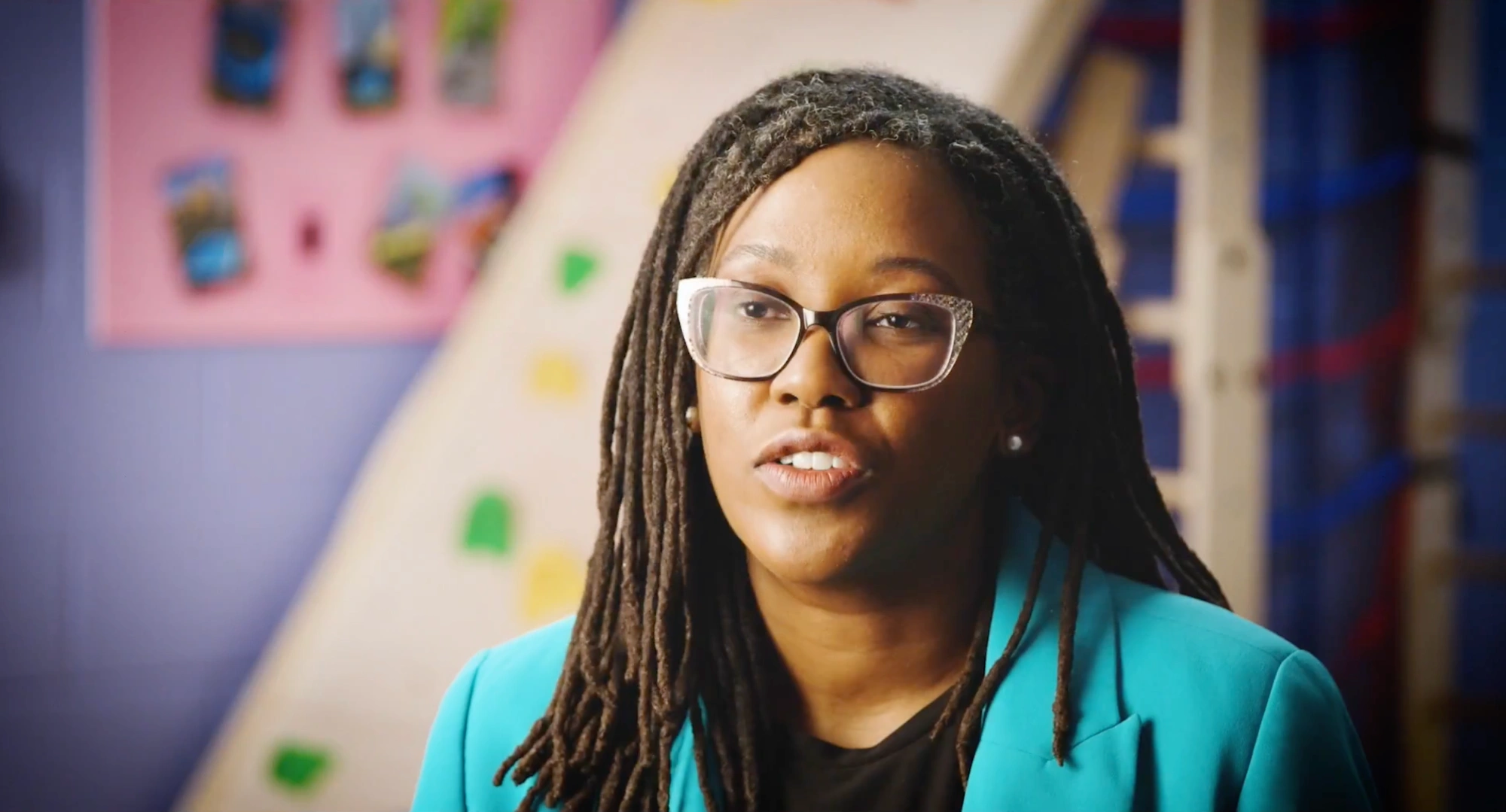
MetroEHS is excited to introduce Dezha Willoughby, one of two Challenge Detroit Fellows MetroEHS proudly hosts! Dezha was born and raised in Detroit and places like Belle Isle were the norm on the weekends (when the weather was nice). She attended and graduate from MLK High School (#GoCrusaders) and she went on to attend college at Michigan State University where she honed in her skills to work with and serve people. Dezha studied Human Development and graduated with her Bachelor of Science Degree in Human Development and Family Studies. Dezha enjoys being outside and enjoying nature. Dezha is very determined and ambitious about being an agent of positive change.

According to the company, “Challenge Detroit cultivates diverse, innovative, community-minded leaders from the city and across the country, fostering their talents to support local initiatives that move Detroit forward. While they spend four days a week accelerating their professional careers with our Host Companies, each Friday Fellows take a day out of the office to bring social impact challenge projects to life in collaboration with our local nonprofit partners. They work in multi-disciplinary teams, bringing their vision, creative muscles, and entrepreneurial spirits to address some of Detroit’s greatest challenges and opportunities. We believe that to move our city forward, positive change starts with an individual and is ignited by a community of leaders who bring innovative perspectives to their work, and most importantly, the nonprofits already making an impact within our Detroit communities.”

October 21, 2024

What Is Pediatric DMI Therapy and How Does It Support Motor Development?

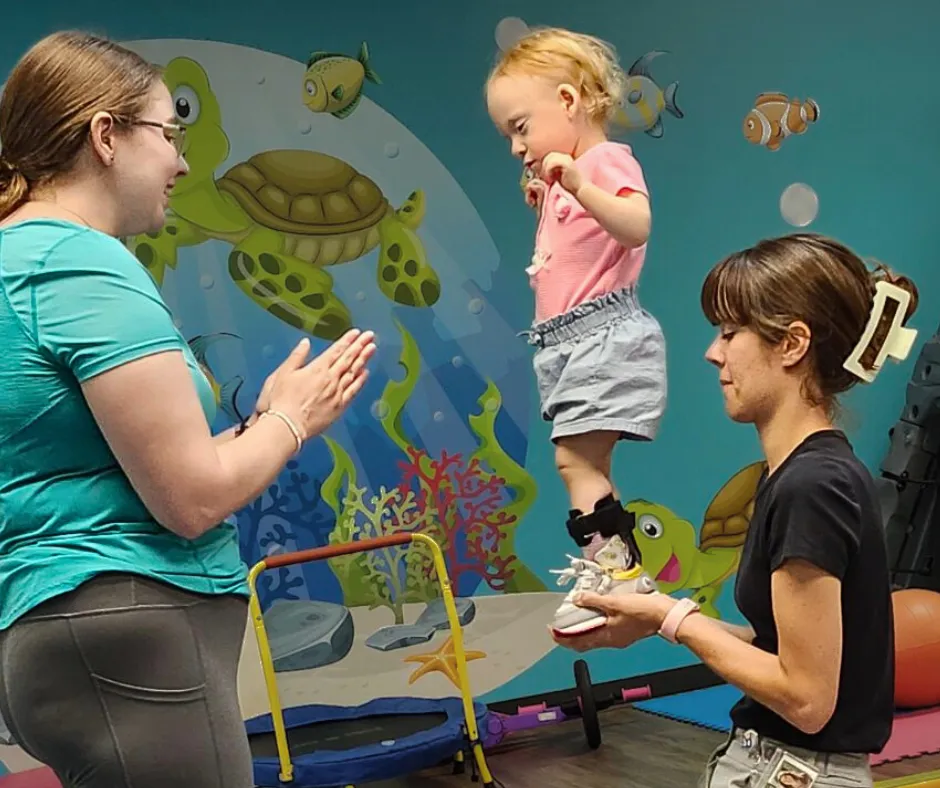
Pediatric Dynamic Movement Intervention (DMI) therapy is a specialized treatment aimed at improving the gross motor skills, movement control, and overall functional mobility of children with developmental delays.  DMI therapy is designed to promote and enhance the natural ability of children to develop motor skills through structured, targeted interventions.

What is Dynamic Movement Intervention (DMI)?

Dynamic Movement Intervention (DMI) is a cutting-edge therapeutic approach focusing on improving strength, coordination, balance, and motor planning in children with developmental delays. DMI therapy is based on neuroplasticity principles—the brain’s ability to reorganize itself by forming new neural connections. This means that with consistent and well-targeted interventions, children with motor impairments could make significant gains in motor function.

Without disruption or intervention, unhealthy habits (the types of learned patterns of movement a child relies on rather than reflexive movements) become engrained in the child’s behavior repertoire. Neuroplasticity is defined as the ability of the brain to form and reorganize synaptic connections, especially in response to learning, experience, or following an injury. Neuroplasticity is at its height in young children. Without novelty and challenge, well-established habits always dominate. Due to this natural neuroplasticity, it is often better to start children young with any kind of therapeutic care.

The primary theory behind DMI is the use of the body's automatic postural responses.  In DMI therapy, we place the child in a position where gravity provides information requiring a response. We then wait for the child to complete the movement, with gradually less assistance over time.

Who Needs DMI Therapy?

DMI is beneficial for children with and without a specific diagnosis. However, those with specific diagnoses include, but are not limited to:

Cerebral Palsy: Children with cerebral palsy often struggle with motor control, muscle tone, and balance, all of which can be targeted by DMI therapy.

Developmental Delays: Children experiencing delays in reaching motor milestones (such as crawling, walking, or standing) may benefit from DMI’s movement-based approach.

Genetic Disorders: Certain genetic conditions that affect motor development, such as Down syndrome or muscular dystrophy, may be candidates for DMI.

Spina Bifida: This congenital condition affecting the spinal cord can cause motor deficits, and DMI can be useful in strengthening movement capabilities.

Brain Injuries: Traumatic or acquired brain injuries in children that result in impaired motor functions can be addressed through DMI therapy.

Other symptoms of a child who could benefit from DMI include:

  • Difficulty with postural control (e.g., sitting, standing, or balancing)
  • Delayed or atypical motor development (not crawling or walking at the expected age)
  • Limited muscle tone or spasticity
  • Challenges in coordination and movement precision
  • Fatigue or weakness during movement activities

This is not an exhaustive list. There are many other conditions that may benefit from Dynamic Movement Intervention. DMI therapy is typically recommended for children who have developmental motor disorders or neuromuscular challenges that affect their ability to move, balance, or coordinate their body movements.

Identifying the Need for DMI

The need for DMI therapy is typically identified by healthcare professionals such as neurologists, rehabilitation specialists or physical therapists, often after a comprehensive evaluation of the child’s motor function. Parents may also notice signs that their child is not reaching developmental motor milestones and seek medical advice.

Any physical therapy diagnosis can result in the use of DMI, and this is often very useful for children under 1 to help with head control, children under 2 to help with standing, walking, and posture control, and children 5 and under with more involved diagnoses. Early identification and intervention are extremely beneficial in maximizing the effectiveness of DMI therapy and improving the child’s functional outcomes.