









The Journey to Graduation in ABA Therapy – WDIV Segment #5

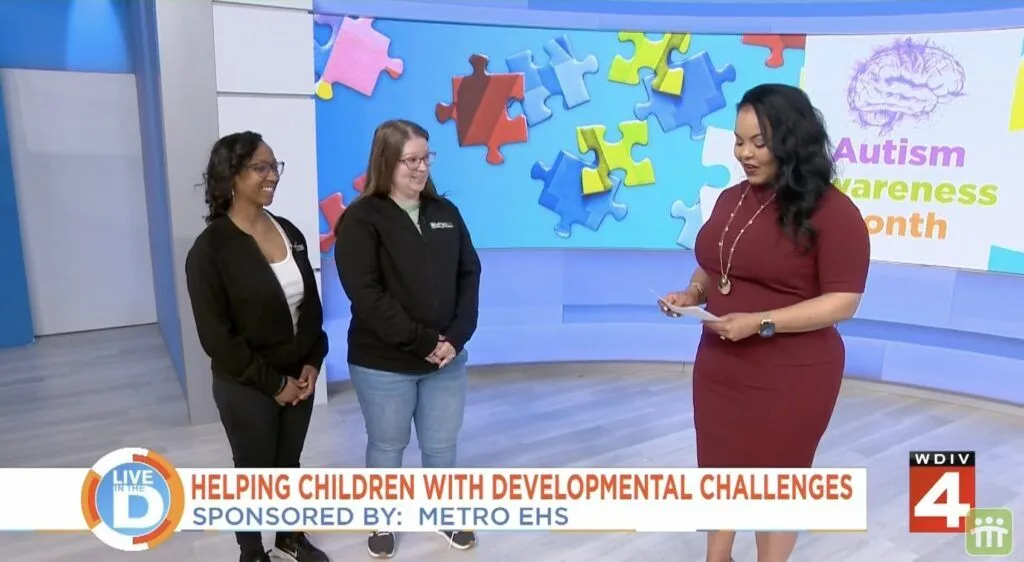
MetroEHS therapists being interviewed on live local television

MetroEHS emphasizes that ABA therapy is not a lifelong commitment but a structured program aimed at equipping children with essential skills. From the outset, each child receives an individualized treatment plan tailored to their unique needs and developmental goals at MetroEHS Pediatric Therapy.

Dawn Sterling, Regional Director of Behavioral Health at MetroEHS, explains, “We like to think of working ourselves out of a job… it’s not necessarily a lifelong thing that you have to experience, especially for those that are in ABA therapy.” This perspective underscores the organization’s commitment to empowering children to achieve independence.

Individualized Planning and Early Intervention

The process of graduating from ABA therapy is highly individualized. Ashley Lewis, Clinical Director at MetroEHS, notes that planning for graduation begins early in the therapy process. “We like to start talking about graduation early… so that we know what goals that we want to go for and how we want to target each and every one of those goals,” she says. This proactive approach ensures that therapy is goal-oriented and progress is continuously monitored.

Early intervention is a cornerstone of MetroEHS’s philosophy. By engaging children in therapy at a young age, the likelihood of achieving developmental milestones and preparing for school increases significantly.

Life After ABA Therapy

Graduation from ABA therapy marks the beginning of a new chapter. Post-graduation, children may continue to receive support through other services offered by MetroEHS, such as speech therapy, occupational therapy, and participation in social or playgroups. These services aim to reinforce the skills acquired during ABA therapy and ensure their application across various environments .

The goal is to prepare children for success in school and beyond, fostering independence and confidence in their abilities.

Learn More About MetroEHS Services

MetroEHS Pediatric Therapy offers a comprehensive range of services designed to support children with developmental challenges. For more information about their programs and how they can assist your family, visit metroehs.com or call 248-970-8402

Embarking on the journey through ABA therapy with MetroEHS means partnering with a team dedicated to revealing the “super” in every child.

Continue Reading

July 18, 2024

Why Do Some Children With Autism Toe Walk—and What Can Parents Do?

Are you concerned about your child’s toe walking habits? Toe walking, a common concern for parents, can sometimes be associated with autism spectrum disorder (ASD). Understanding the connection between toe walking and autism is crucial for early intervention and support.

What is Toe Walking?

Toe walking refers to a walking pattern where a person walks on their toes or the balls of their feet without their heels touching the ground. While occasional toe walking in toddlers is common, persistent toe walking beyond the age of two may indicate an underlying issue.

The Connection with Autism

Toe walking is often observed in children with autism spectrum disorder (ASD). While not all toe walkers have autism, studies suggest that many children with ASD exhibit toe walking behavior. Children with Autism often have higher sensory seeking behaviors, and being up on their toes gives them deep sensory input through their feet and in their contracted calf muscles. This connection can lead to more targeted interventions and support from therapists and parents.

How Can a MetroEHS Physical Therapist Help?

Physical therapy plays a crucial role in addressing toe walking in children, especially those with autism. A skilled physical therapist can:

  • Assess the Underlying Causes: A physical therapist will conduct a comprehensive evaluation to identify any underlying factors contributing to toe walking, such as muscle tightness, sensory issues, muscle weakness, or lack of range of motion.
  • Develop Individualized Treatment Plans: Based on the assessment, the physical therapist will create a personalized treatment plan tailored to your child’s needs. This plan may include stretching exercises, strengthening activities, balance training, or different sensory inputs.
  • Educate and Empower Families: MetroEHS Physical Therapists work closely with families to educate them about toe walking and provide strategies for home exercises and activities to support their child’s progress.

Toe-walking can impact your child long-term if left untreated:

Toe walking will impact your child’s overall body positioning, posture, and muscles. With toe walking, because of these impacts, it will also change the load of the body’s joints and likely cause chronic pain as the individual ages. It is common for toe walkers to lose range of motion in their ankles, preventing them from being able to reach their heels to the ground and causing their Achilles tendon to shorten. In more severe cases, if the Achilles tendon shortens too much, the only way to regain that length is with a surgical lengthening.

Take the First Step Towards Support

If you’re concerned about your child’s toe walking or suspect they may have autism, early intervention is key. Schedule an evaluation with a qualified physical therapist who specializes in pediatric care. Together, we can help your child take confident steps towards improved mobility and independence.

April 22, 2024

Empowering Communication for Children with Autism: A Look at Therapy Interventions

In a recent airing of Live in the D, sponsored by MetroEHS Pediatric Therapy, the spotlight was on Autism Awareness Month, shedding light on how children on the autism spectrum can benefit from life-changing therapy. MetroEHS, a pediatric neighborhood therapy company with multiple locations across Metro Detroit, including expanding services, is dedicated to enhancing the quality of life for children with various therapy needs, including autism.

Deanna Coker, a board-certified behavioral analyst, and Kris Krajewski, a speech therapist with MetroEHS, joined the show to discuss how therapy can significantly impact children’s communication skills.

Understanding Communication Challenges in Autism

Deanna explained that autism, as a developmental disability, often presents challenges in social interaction and communication. Unlike typically developing children who learn language by observing and imitating, children with autism struggle to find meaningful ways to communicate, despite their desire to do so.

The Role of Speech Therapy

Kris emphasized that speech therapy is essential for children with autism, given that communication difficulties are a hallmark characteristic of the condition. Speech therapists, like those at MetroEHS, work to identify barriers to communication and introduce alternative methods for expressing thoughts and needs.

Speech Therapy Interventions

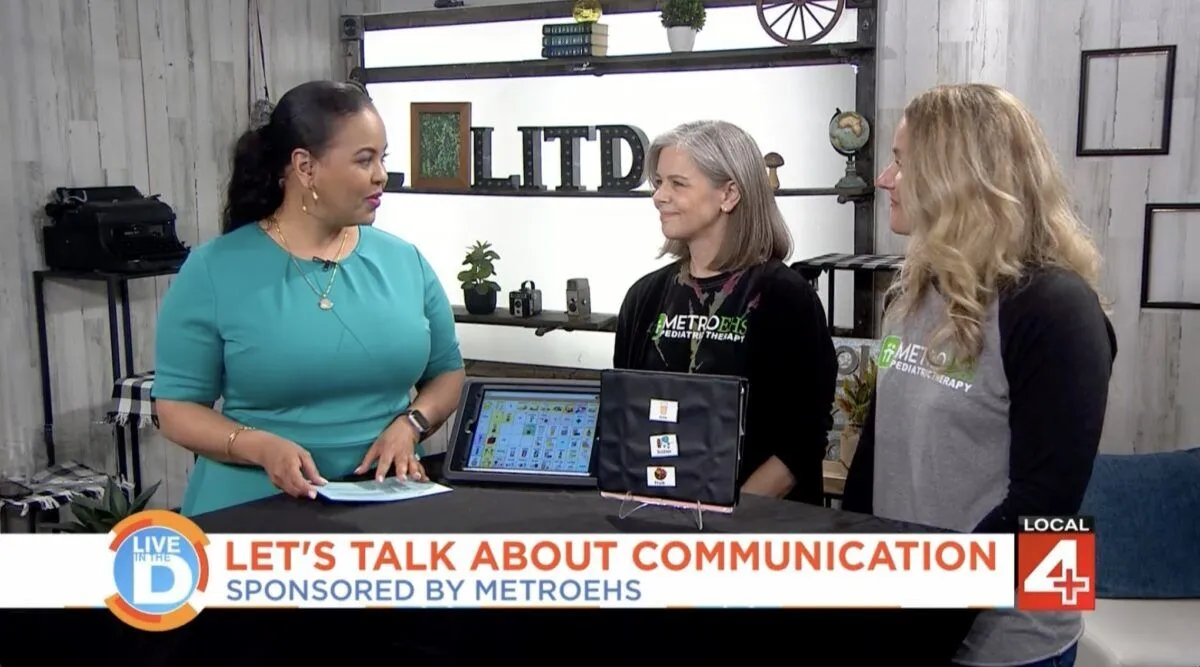
Kris introduced an innovative tool called the AAC device (Alternative and Augmentative Communication), essentially an iPad loaded with specialized software designed exclusively for communication purposes. This device enables children to select words and icons to express themselves, giving them a voice and autonomy in their interactions.

Empowering Communication Through Tools

Deanna highlighted another communication aid, the PECS book (Picture Exchange Communication System), a low-tech solution that uses pictures to help children convey wants, needs, and preferences. By selecting and exchanging pictures, children can effectively communicate with caregivers, enhancing their independence and self-expression.

The conversation between Deanna, Kris, and the show’s host highlighted the importance of therapy in empowering children with autism to communicate effectively. Through innovative interventions and specialized tools, such as AAC devices and PECS books, children can overcome communication barriers and actively engage with the world around them.

For families seeking therapy services for their children, MetroEHS offers comprehensive support, including ABA, speech, occupational, feeding, and physical therapies. With multiple locations across Metro Detroit and additional centers on the way, MetroEHS aims to make therapy accessible and impactful for families in need.

January 27, 2025

How Does Early Intervention Therapy Help Children?

Greetings, fellow guardians of childhood! Today, we embark on an epic quest to uncover why early intervention in pediatric therapy is the ultimate secret weapon in the battle for our little heroes’ futures. Grab your capes, as we delve into the extraordinary world of neuroplasticity!

What is Neuroplasticity?

Imagine your brain as a high-tech superhero headquarters, constantly adapting and evolving with every new challenge and adventure. Neuroplasticity is the brain’s superpower that allows it to reorganize itself by forming new neural connections throughout life. This means that even if our tiny champions face developmental hurdles, with the right support and early intervention, their brains can reroute and expand like an elastic superhero — ready to tackle any villain that stands in their way!

The Sidekick Advantage: Why Early Intervention is Key

Just like every superhero has a trusty sidekick, children thrive when they receive early intervention in therapy. Research shows that the earlier kids receive therapeutic services, the more they can harness the powers of neuroplasticity to strengthen their skills, build resilience, and achieve their personal goals. Waiting too long can mean allowing obstacles to grow larger than life, much like letting a villain strengthen their force field!

Fighting Supervillains: Common Developmental Challenges

From speech delays, motor skill challenges to difficulties in feeding, utilizing early intervention means therapists swoop in like The Flash, delivering focused support to help children navigate these hurdles. With specialized tactics, our tiny heroes can battle their challenges and emerge triumphant, all whilst building confidence and unlocking their hidden potential!

The Dynamic Duo: Parents and Therapists Unite!

In this superhero tale, parents are the ultimate allies, teaming up with skilled therapists to devise personalized action plans tailored to each child’s unique needs. The synergy created by early intervention turns this duo into an unstoppable force—ready to level up skills in communication, socialization, and physical abilities. Together, they create a supportive environment where our little champions can flourish!

MetroEHS prioritizes early intervention in pediatric therapy because it isn’t just best practice; it’s a superhero saga ready to unfold with amazing successes! Using the incredible force of neuroplasticity, our little ones can script a future filled with hope, happiness, and triumph.