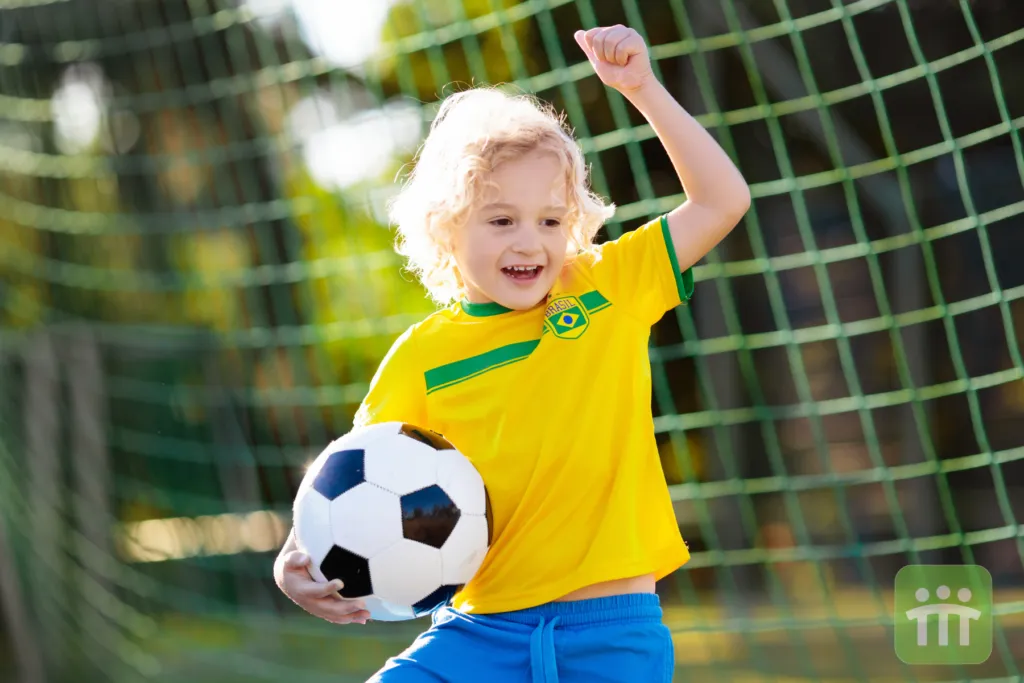
Youth sports are a cornerstone of childhood, offering numerous benefits such as physical fitness, teamwork, and discipline. However, with the increasing intensity and competitiveness in youth sports, injuries among young children are becoming more prevalent.
According to the National SAFE KIDS Campaign and the American Academy of Pediatrics: More than 3.5 million children (about twice the population of Nebraska) ages 14 and younger get hurt annually playing sports or participating in recreational activities. There are a few steps that parents can take to potentially prevent injuries in sporting activities and keep the fun on the field!
Ensure Proper Conditioning and Training
- Pre-Participation Physical Exam: Before starting any sport, have your child undergo a physical exam to ensure they are fit to participate.
- Proper Training: Enroll your child in programs with certified coaches who emphasize proper techniques and conditioning.
- Strength and Flexibility: Encourage exercises that build strength and flexibility. Strength training should be age-appropriate, focusing on technique rather than heavy weights.
Use Appropriate Equipment
–Protective Gear: Ensure your child uses sport-specific protective gear such as helmets, mouthguards, pads, and appropriate footwear. All equipment should fit well and be in good condition.
–Regular Checks: Inspect equipment regularly for wear and tear. Replace damaged gear promptly to maintain safety standards.
Promote Safe Playing Techniques
- Warm-Up and Cool-Down: Encourage a proper warm-up before and cool-down after practices and games to prevent muscle injuries.
- Teach Safe Techniques: Ensure coaches emphasize and teach safe playing techniques, particularly in contact sports. Children should understand the rules of the game and the importance of fair play.
- Avoid Overuse: Limit repetitive movements that can lead to overuse injuries. Ensure your child gets sufficient rest and recovery time between practices and games.
Encourage Open Communication
-Listen to Your Child: Encourage your child to speak up about any pain or discomfort. Ignoring pain can lead to more severe injuries.
-Monitor for Signs of Fatigue: Watch for signs of fatigue or burnout, which can increase the risk of injury. Ensure your child gets adequate rest and maintains a healthy balance between sports and other activities.
Foster a Balanced Approach
-Limit Specialization: Avoid having your child specialize in one sport or activity at a young age. Encourage participation in various activities from soccer to piano lessons to promote physical development and reduce the risk of overuse injuries.
-Adequate Rest: Ensure your child gets enough rest, including off-season breaks, to allow their body to recover and grow stronger.
Educate on Nutrition and Hydration
-Balanced Diet: Provide a balanced diet rich in vitamins and minerals to support your child’s physical activity. Include a variety of fruits, vegetables, lean proteins, and whole grains.
-Stay Hydrated: Teach your child the importance of staying hydrated before, during, and after physical activities. Encourage them to drink water regularly, especially in hot and humid conditions.
Work with Healthcare Providers
- Regular Check-Ups: Schedule regular check-ups with a healthcare provider to monitor your child’s overall health and development.
- Follow Medical Advice: If your child is recovering from an injury, strictly follow the healthcare provider’s advice regarding rehabilitation and when it is safe to return to sports. Stay Informed and Involved
- Educate Yourself: Stay informed about the risks associated with your child’s sport and the best practices for injury prevention.
- Active Participation: Be actively involved in your child’s sports activities. Attend practices and games to observe the coaching methods and the environment.
Preventing injuries in youth sports requires a proactive approach from parents. Through these efforts, parents can help their children enjoy the benefits of sports while minimizing the risks. Sometimes, even with parents’ and coaches’ best intentions, injuries can occur.
Common Youth Sports Injuries
Injuries in youth sports can range from minor bruises to severe fractures. Here are some of the most common injuries:
- Sprains and Strains: These occur when ligaments (sprains) or muscles (strains) are overstretched or torn. Common sites include the ankle, knee, and wrist.
- Fractures: Broken bones are a frequent result of high-impact sports or falls. The wrist, arm, and collarbone are often affected.
- Overuse Injuries: Conditions like shin splints and stress fractures arise from repetitive motion. They are particularly common in sports requiring long periods of training, such as running and swimming.
- Concussions: Head injuries are serious and can occur in contact sports like football, soccer, and basketball. They require immediate medical attention.
The Role of Physical Therapy
Physical therapy plays a critical role in the recovery and rehabilitation of young athletes. Here’s why it’s frequently prescribed:
- Personalized Rehabilitation Plans: Physical therapists develop customized treatment plans tailored to the specific injury and the child’s needs. This ensures a targeted approach to healing.
- Pain Management: Techniques such as ice therapy, heat therapy, and electrical stimulation help manage pain effectively, promoting a quicker return to normal activities.
- Improving Mobility and Strength: Therapists use exercises to enhance flexibility, strength, and range of motion. This is crucial for preventing future injuries.
- Education and Prevention: Physical therapists educate young athletes and their families on proper techniques, warm-up exercises, and ways to prevent re-injury.
Frequency of Physical Therapy Prescription
The prescription of physical therapy varies depending on the severity and type of injury. However, statistics indicate a growing reliance on physical therapy for youth sports injuries:
Research shows that nearly 30-50% of youth athletes with moderate to severe injuries are prescribed physical therapy as part of their treatment plan. This percentage highlights the critical role physical therapy plays in the comprehensive recovery process for young athletes.
Youth sports injuries are an unfortunate but common aspect of an active childhood. While they can be alarming, the right approach to treatment, including the strategic use of physical therapy, can significantly enhance recovery outcomes. By focusing on personalized rehabilitation, pain management, and preventative education, physical therapy helps young athletes get back on their feet—stronger and more resilient than before.
As the world of youth sports continues to grow, understanding and mitigating the impact of sports injuries through effective therapeutic interventions will remain crucial in safeguarding the health and well-being of young athletes. By fostering awareness and providing appropriate care, we can ensure that youth sports remain a positive and enriching experience for all children.