








What Is Intensive Feeding Therapy at MetroEHS and How Does It Work?

What is the Intensive Feeding Therapy Program Like at MetroEHS?

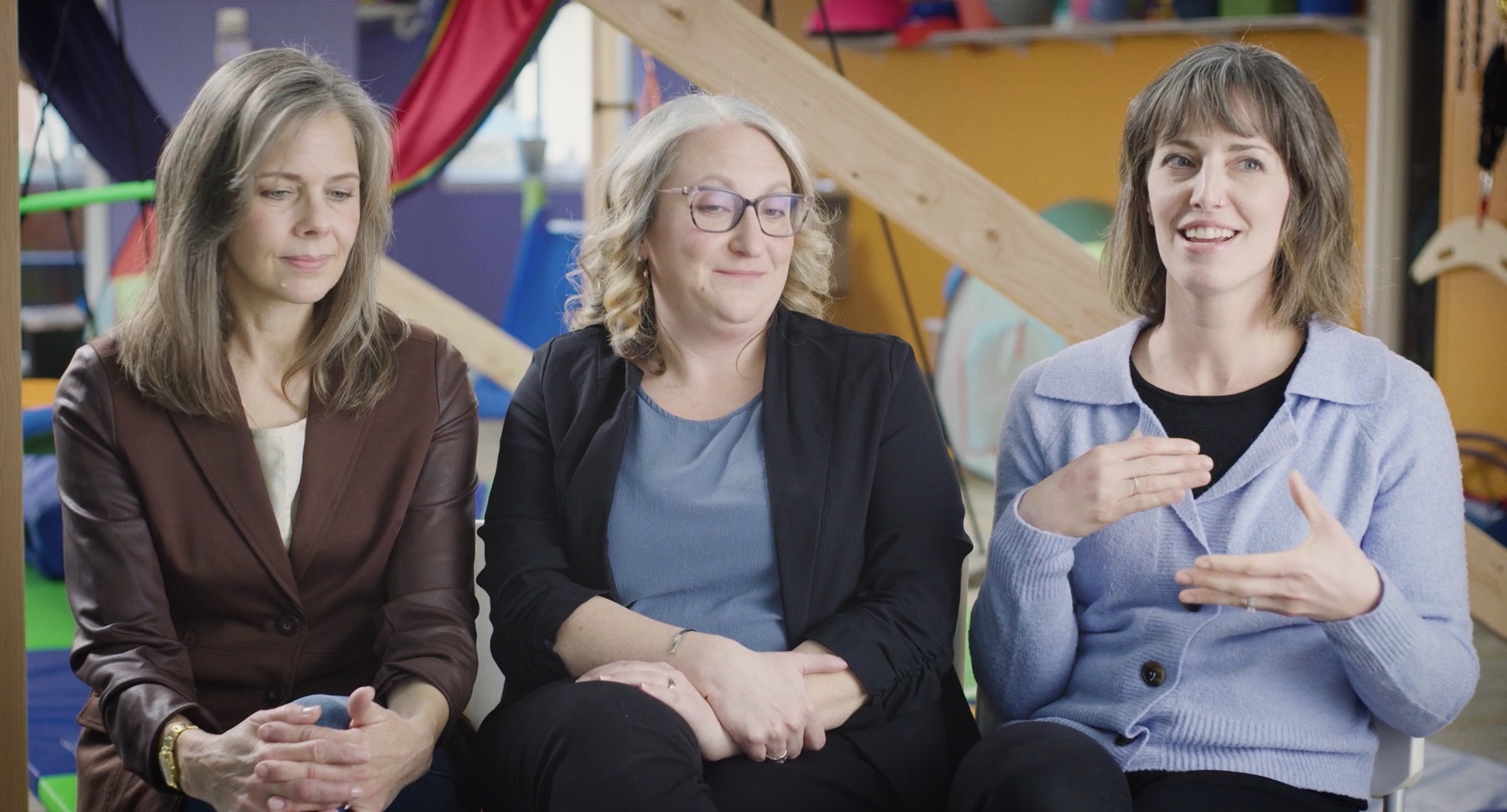
As we dive into the details of the Intensive Feeding Therapy Program at MetroEHS, hear from the experts at MetroEHS and how they collaborate on the most wholistic approach to Intensive Feeding Therapy.

Jessica Hunt (Occupational Therapist/Feeding Specialist):
When it comes to treating children who have complex feeding difficulties and pediatric feeding issues, there's a multitude of things that are typically at the root of the problem. So what's very unique about the program that we have here is that we have involvement from both occupational therapy, speech and language therapy, physical therapy, a dietician, as well as psychology.

Rose Britt (Registered Dietitian):
So it's all five disciplines. Spending time together with the family, with the patient, with each other, all talking at one cohesive time, making a plan instead of grabbing pieces from all over the place and putting them together. I think it makes it a lot smoother for us and the families as well.

Kris Krajewski (Director PT, OT, and Speech Services/SLP):
Each of our disciplines really does have something to offer to this process, but when we work all together, we have the ability to help our kiddos make more progress more quickly.

Kayla Daniels (Physical Therapist):
At Metro, we really take a whole body approach. We don't just look at one aspect of the child. And a lot of people don't think of physical therapy as part of the feeding team, but in order to eat, you have to use all of these posture and muscles, you have to hold yourself up. You have to hold your head up to be able to swallow. So really focusing on all of those aspects of your body is really important to be able to make the progress.

Azari Haygood (Psychologist):
As a psychologist on staff for the Intensive Feeding Program, I offer mental health services to the families and to some of the clients. It's very stressful for a lot of these families. It's stressful for the clients that we see. And so, I offer just another support for them, where I'm helping them kind of overcome some of the stressors that they're experiencing around feeding.

Rose Britt (Registered Dietitian):
It's not just me telling you what to do. There's so much more going into that, and you get to really listen to the families and hear why it's not working and problem solve together.

Kayla Daniels (Physical Therapist):
The impact you can make, not only on the child's life, but on the family's life as a whole is huge.

Azari Haygood (Psychologist):
Seeing that improvement in their family's lives feels really great all around.

Jessica Hunt (Occupational Therapist/Feeding Specialist):
One in 23 children have a pediatric feeding issue. And so, to truly be able to address all of the aspects of that in one place, that's where we get to make a difference every single day.

Kris Krajewski (Director PT, OT, and Speech Services/SLP):
It's like when you have a jigsaw puzzle and you're missing one piece, you can still tell what the picture of the jigsaw puzzle is going to be, but when you have all of the pieces together, integrated into this treatment, the result is just something so much more beautiful.
Continue Reading

METROstaffing In Detroit

Let us reinvent your workforce for the better. Expect to receive effective and reliable staffing solutions from us.

Positive Relationships

Because METROstaffing is therapist-owned and operated, we know how important your needs are. We will handle finding and retaining your therapist and supporting them clinically so you are free to focus on running your facility!

By working with METROstaffing, we take care of everything and immediately begin to reduce your costs at the outset of our relationship.

Your facility will no longer bear the concerns and overhead for items such as pensions, disability insurance, healthcare, and administrative costs. Our experience shows an average savings of 8–10%, in payroll alone for each full-time employee.

We provide maternity, medical leave, and FMLA coverage for all of your related service needs: Speech, OT, PT, Psych & Special Ed Teachers.

We provide therapists for part and full time and can also cover both short and long term placements. We also offer Tele-Therapy services that can be used as a bridge until a ‘live’ therapist is procured; to keep students in IEP compliance and prohibit litigation possibilities.

Building A Better Business

We have developed a highly successful model that enables facilities and therapists to work together in ways that benefit both parties. Granting job satisfaction for the therapist translates into the longevity of your facility.

We provide therapists for part and full time and can also cover both short and long term placements.

From our web-based billing and payroll system to our clinical support team, we support our therapists completely so your time and effort can be directed to other areas of your business.

Innovative Remote Services

METROstaffing offers unique Tele-Practice Therapy services for rural, remote, and underserved communities, as well as to culturally and linguistically diverse populations. Through the application of telecommunication technologies, we can provide therapy services at a distance.

If your facility falls into one of these categories or if you would like more information on this great service, call us today! We would love to answer your questions about our other services such as teletherapy and pediatric therapy in Metropolitan Detroit.

May 16, 2023

What Is Intensive Feeding Therapy at MetroEHS and How Does It Work?

What is the Intensive Feeding Therapy Program Like at MetroEHS?

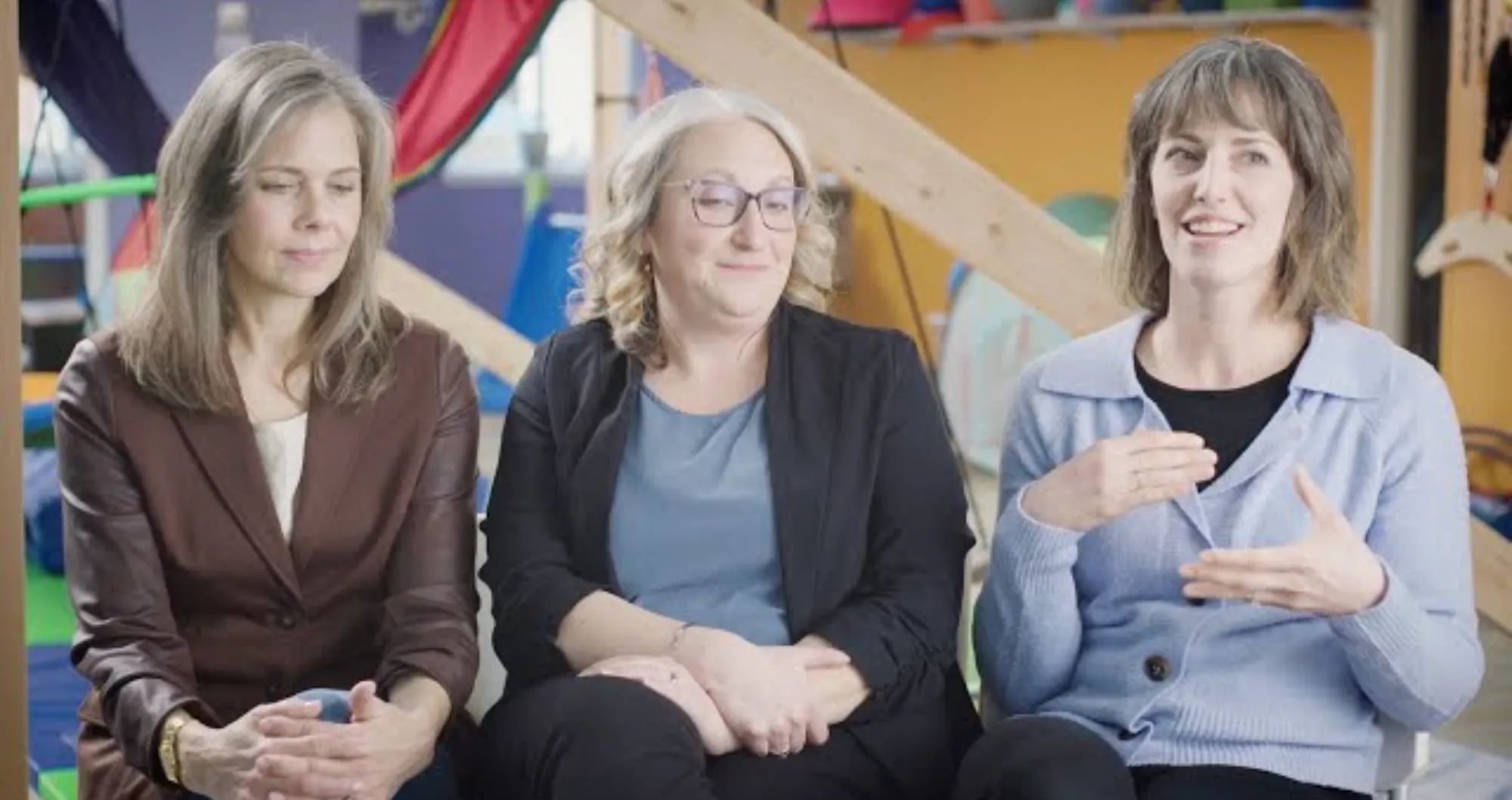
As we dive into the details of the Intensive Feeding Therapy Program at MetroEHS, hear from the experts at MetroEHS and how they collaborate on the most wholistic approach to Intensive Feeding Therapy.

Jessica Hunt (Occupational Therapist/Feeding Specialist):
When it comes to treating children who have complex feeding difficulties and pediatric feeding issues, there's a multitude of things that are typically at the root of the problem. So what's very unique about the program that we have here is that we have involvement from both occupational therapy, speech and language therapy, physical therapy, a dietician, as well as psychology.

Rose Britt (Registered Dietitian):
So it's all five disciplines. Spending time together with the family, with the patient, with each other, all talking at one cohesive time, making a plan instead of grabbing pieces from all over the place and putting them together. I think it makes it a lot smoother for us and the families as well.

Kris Krajewski (Director PT, OT, and Speech Services/SLP):
Each of our disciplines really does have something to offer to this process, but when we work all together, we have the ability to help our kiddos make more progress more quickly.

Kayla Daniels (Physical Therapist):
At Metro, we really take a whole body approach. We don't just look at one aspect of the child. And a lot of people don't think of physical therapy as part of the feeding team, but in order to eat, you have to use all of these posture and muscles, you have to hold yourself up. You have to hold your head up to be able to swallow. So really focusing on all of those aspects of your body is really important to be able to make the progress.

Azari Haygood (Psychologist):
As a psychologist on staff for the Intensive Feeding Program, I offer mental health services to the families and to some of the clients. It's very stressful for a lot of these families. It's stressful for the clients that we see. And so, I offer just another support for them, where I'm helping them kind of overcome some of the stressors that they're experiencing around feeding.

Rose Britt (Registered Dietitian):
It's not just me telling you what to do. There's so much more going into that, and you get to really listen to the families and hear why it's not working and problem solve together.

Kayla Daniels (Physical Therapist):
The impact you can make, not only on the child's life, but on the family's life as a whole is huge.

Azari Haygood (Psychologist):
Seeing that improvement in their family's lives feels really great all around.

Jessica Hunt (Occupational Therapist/Feeding Specialist):
One in 23 children have a pediatric feeding issue. And so, to truly be able to address all of the aspects of that in one place, that's where we get to make a difference every single day.

Kris Krajewski (Director PT, OT, and Speech Services/SLP):
It's like when you have a jigsaw puzzle and you're missing one piece, you can still tell what the picture of the jigsaw puzzle is going to be, but when you have all of the pieces together, integrated into this treatment, the result is just something so much more beautiful.
July 18, 2024

Why Do Some Children With Autism Toe Walk—and What Can Parents Do?

Are you concerned about your child’s toe walking habits? Toe walking, a common concern for parents, can sometimes be associated with autism spectrum disorder (ASD). Understanding the connection between toe walking and autism is crucial for early intervention and support.

What is Toe Walking?

Toe walking refers to a walking pattern where a person walks on their toes or the balls of their feet without their heels touching the ground. While occasional toe walking in toddlers is common, persistent toe walking beyond the age of two may indicate an underlying issue.

The Connection with Autism

Toe walking is often observed in children with autism spectrum disorder (ASD). While not all toe walkers have autism, studies suggest that many children with ASD exhibit toe walking behavior. Children with Autism often have higher sensory seeking behaviors, and being up on their toes gives them deep sensory input through their feet and in their contracted calf muscles. This connection can lead to more targeted interventions and support from therapists and parents.

How Can a MetroEHS Physical Therapist Help?

Physical therapy plays a crucial role in addressing toe walking in children, especially those with autism. A skilled physical therapist can:

  • Assess the Underlying Causes: A physical therapist will conduct a comprehensive evaluation to identify any underlying factors contributing to toe walking, such as muscle tightness, sensory issues, muscle weakness, or lack of range of motion.
  • Develop Individualized Treatment Plans: Based on the assessment, the physical therapist will create a personalized treatment plan tailored to your child’s needs. This plan may include stretching exercises, strengthening activities, balance training, or different sensory inputs.
  • Educate and Empower Families: MetroEHS Physical Therapists work closely with families to educate them about toe walking and provide strategies for home exercises and activities to support their child’s progress.

Toe-walking can impact your child long-term if left untreated:

Toe walking will impact your child’s overall body positioning, posture, and muscles. With toe walking, because of these impacts, it will also change the load of the body’s joints and likely cause chronic pain as the individual ages. It is common for toe walkers to lose range of motion in their ankles, preventing them from being able to reach their heels to the ground and causing their Achilles tendon to shorten. In more severe cases, if the Achilles tendon shortens too much, the only way to regain that length is with a surgical lengthening.

Take the First Step Towards Support

If you’re concerned about your child’s toe walking or suspect they may have autism, early intervention is key. Schedule an evaluation with a qualified physical therapist who specializes in pediatric care. Together, we can help your child take confident steps towards improved mobility and independence.