Summer Planning Guide for Parents of Special Needs Children

Continue Reading

March 26, 2025

Why Is Early Intervention Feeding Therapy So Important for Children?

In the grand battle of dinnertime, where broccoli becomes a villain and picky eaters stage epic showdowns, there exists a team of superheroes ready to save the day—Pediatric Feeding Therapists! These mighty champions use their super skills to help babies, toddlers, and children with feeding challenges, ensuring every little hero gets the nutrition they need to grow strong.

The Origin Story: What is Pediatric Feeding Therapy?

Pediatric feeding therapy unites speech therapists, occupational therapists, and sometimes behavior analysts (yes, ABA superheroes!) to help children overcome feeding struggles. Whether it’s a sensory issue, difficulty with chewing, swallowing, or just a deep-seated dislike for anything green, these experts use science, patience, and fun strategies to turn mealtime mayhem into moments of mastery.

Many young heroes-in-training face powerful foes:

The Texture Titan – That sneaky foe who makes certain foods feel ‘icky’ or unbearable.

The Gag Goblin – The reason some kids struggle with new foods and textures.

The Avoidance Avenger – The mastermind behind food refusals and dinnertime battles.

The Autism Anomaly – Children with autism often experience heightened sensory challenges that impact eating habits.

Fear not! Early intervention in feeding therapy provides the best chance to defeat these villains before they gain strength. The sooner a child receives support, the more likely they are to develop healthy eating habits that last a lifetime.

In all seriousness, some pediatric feeding disorders are complex and often require a comprehensive approach individualized for each child and family. MetroEHS provides scheduling options dependent upon the family schedule and the severity of the diagnosis. All evaluations are performed by a Team of Feeding/Swallowing Specialists. MetroEHS Speech-Language Pathologists, Occupational Therapists, and Physical Therapists work in tandem with Parents to improve feeding and swallowing disorders.

The Power of Breastfeeding Support

For the tiniest superheroes just starting their feeding journey, breastfeeding support and lactation therapy can make a world of difference. Some babies face challenges with latching, tongue ties, or milk transfer, which can make feeding difficult and stressful for both baby and parent. Lactation consultants and feeding therapists work together to provide guidance on positioning, improving latch techniques, and addressing any underlying oral-motor issues. Early support ensures that even the youngest heroes get the nourishment they need to thrive from day one!

The Superpower of Early Intervention in Feeding Therapy

Early intervention is like unlocking a hidden superhero ability—striking before the villains take full control! The benefits of starting pediatric feeding therapy as soon as you suspect an impending battle or villainous origin story:

Building Healthy Eating Habits: Introducing a variety of foods early makes for a well-rounded diet.

Improving Oral-Motor Skills: Strengthening those tiny mouth muscles for better latch or better chewing and swallowing.

Reducing Mealtime Stress: No more dinnertime showdowns! Parents and children both enjoy a more relaxed experience.

Enhancing Independence: Teaching kids to confidently try new foods and textures on their own.

Assembling Your Feeding League

If your baby, toddler, or child struggles with eating, picky eating, or sensory issues, it’s time to call in the feeding therapy superheroes. ABA techniques, occupational therapy, and speech therapy can all work together to build confidence at mealtime.

Remember, every great hero starts somewhere and learns new skills best when they are small. With early intervention and the right team behind them, your little one can transform from a mealtime sidekick into a fearless food explorer!

Is your child ready to join the Feeding League? The adventure begins now!

June 17, 2022

What Is the TheraSuit Method and How Does It Help Children Build Motor Skills?

History of TheraSuit

Richard and Izabela Koscielny are physical therapists, who have a daughter diagnosed with cerebral palsy and tried out suit therapy with her. After significant improvements with the suit, they modified and created their own suit specialized for therapeutic benefits, called TheraSuit™.

How Does TheraSuit Work?

  • TheraSuit worn over a prolonged time will correct proprioception and accelerate progress with functional strengthening
  • Skills practiced become more fluent when TheraSuit is worn
  • TheraSuit facilitates the development of new gross and fine motor skills faster than typical therapy approaches

Benefits Seen with TheraSuit

  • Retraining the central nervous system
  • Restores ontogenetic development
  • Provides external stabilization
  • Normalizes muscle tone
  • Aligns the body to as close to “normal” as possible
  • Provides dynamic correction
  • Normalizes gait patterns
  • Provides tactile stimulation
  • Influences the vestibular system
  • Improves balance
  • Improves coordination
  • Supports weak muscles
  • Decreases uncontrolled movements in ataxia and athetosis
  • Improves body and spatial awareness
  • Provides resistance to muscles to further enhance strengthening
  • Improves speech production and fluency through head control and trunk support
  • Promotes gross and fine motor development
  • Helps decrease contractures
  • Helps improve hip alignment through vertical loading
image

Patient Populations

  • Most major neurological diseases/diagnoses:
    • Autism
    • Down Syndrome
    • Cerebral Palsy
    • Cerebral Vascular Acciden
    • Traumatic Brain Injury
    • Spinal Cord Injury
  • Posture/alignment asymmetries
image

Intensive Physical Therapy Schedule

  • Intensive physical therapy is meant to be done 3 hours/day, for 5 days/week for 3-5 weeks
  • Recommended to complete 3-4 intensive bouts of therapy throughout the year
  • Breaks between the bouts have been shown to be more beneficial for the patient vs continuously pushing for months on end
  • Recommended to complete HEP 1-hour/day to compliment exercises done in intensive, allowing the patient to not only maintain, but improve their functional abilities
  • The schedule of 4  weeks was created specifically in order to change the neuro-pathways, and allow for increased improvements

In General

  • Week 1 works on correct muscle activation and beginning to complete basic concentric exercises
  • Week 2 works on solidifying concentric movements and working into eccentric movements
  • Week 3 solidifies the eccentric movements and introduces isometric holds
  • Week 4 focuses all on isometric holds, working into more complex exercises, as well as creating POC and HEP for time off between bouts of intensive

Work to decrease primitive reflexes and general movements that are present → goal-directed movements → selective effective strategies → refining skills → maintaining through practice

March 24, 2023

How Does Play Support Child Development?

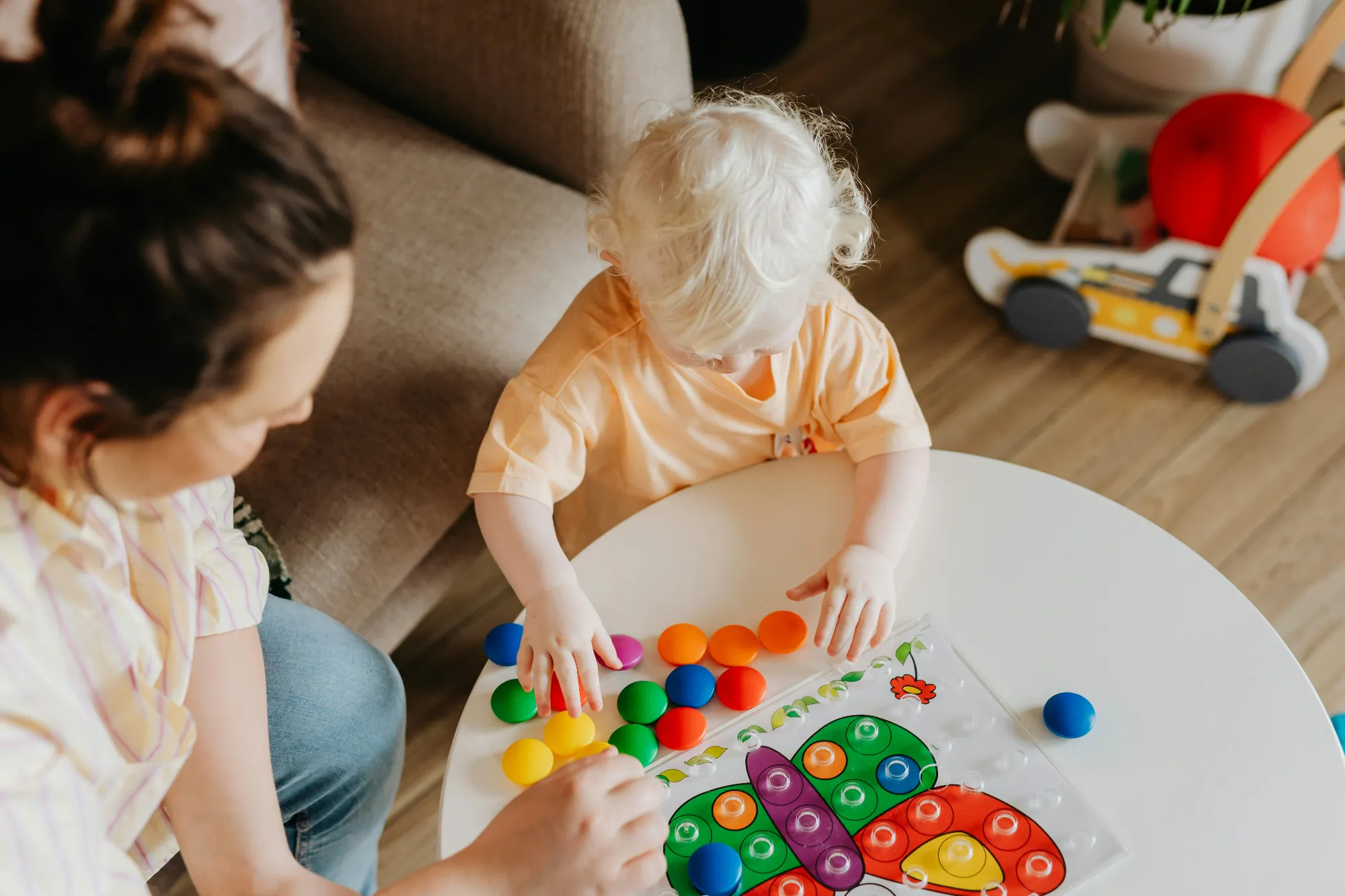
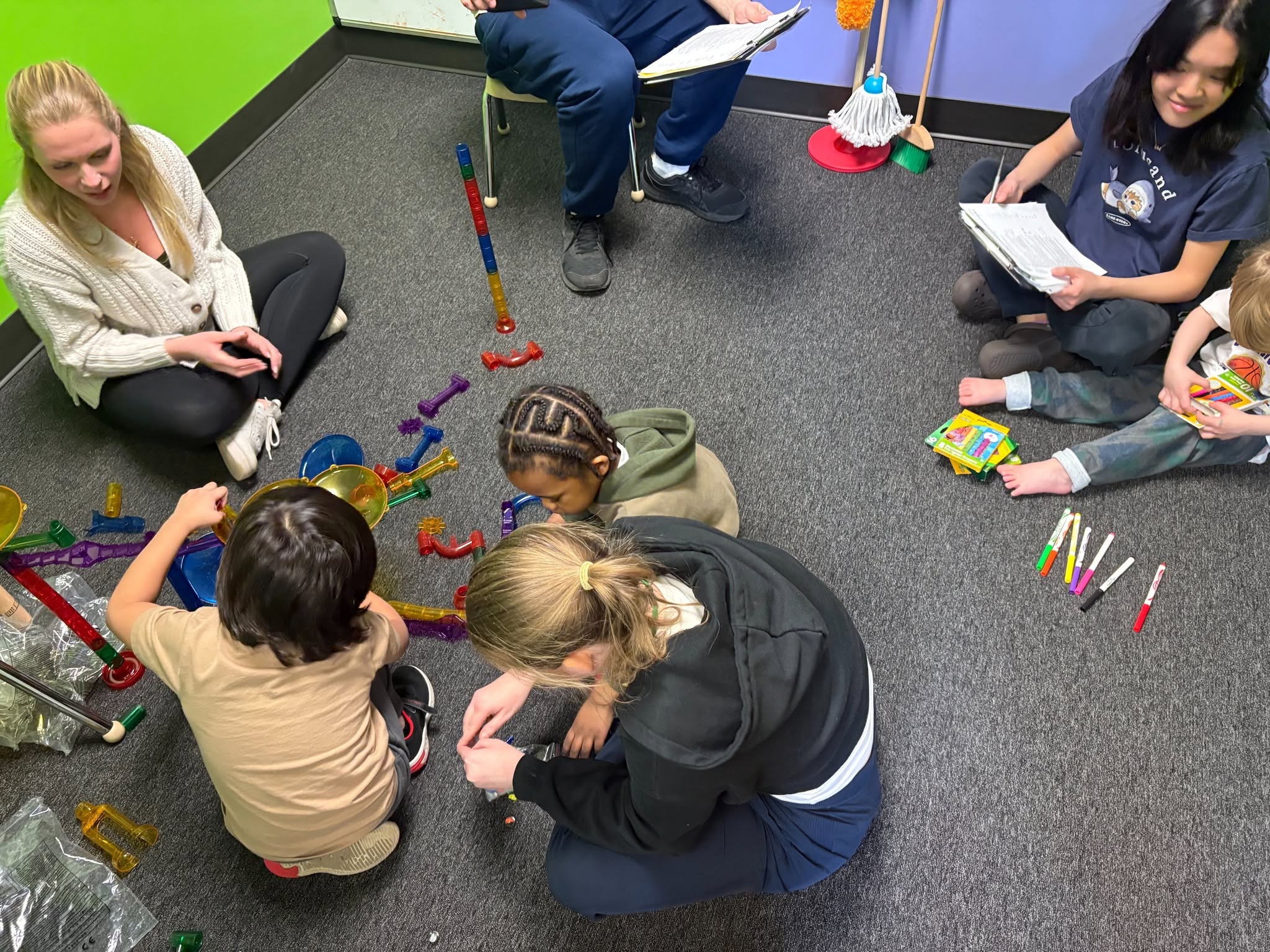
Play is crucial for children’s physical, social, emotional, and cognitive development. Through play, children learn important life skills such as problem-solving, creativity, social interaction, and self-regulation. Play allows children to explore their environment, experiment with different ideas, and express themselves in ways that are natural and meaningful to them.

Play can take many forms, including physical play, imaginative play, sensory play, and social play. Children learn best through play that is meaningful and engaging to them, so it is important for parents, caregivers, and educators to provide a variety of play opportunities that are tailored to a child’s individual needs and interests.

What is play?

Play includes fun activities enjoyed independently or with others. Play has no rules, and people make up their own games. Play can be inside or outside. It uses things around us, like balls and sticks. Playing helps us learn how to get along with others and think about new things.

Types of play:

  • Social Play is when kids play together. For example, playing soccer.
  • Symbolic Play is when you pretend. You can do this from 18 months to 5 years old.
  • Practice Play is doing the same thing repeatedly to learn how to do it better. For example, you might practice throwing a ball.
  • Sensorimotor Play is used by infants. This means that they use their senses and move around. An example of this is shaking a rattle.
  • Constructive Play is when kids make something. For example, building with legos or painting with their fingers.    

Play helps a child…

  • Build Imagination and Creativity
  • Foster Cognitive Growth
  • Improve Literacy
  • Improve Emotional Well-Being
  • Encourage Greater Independence

Play is not just a fun activity for children but a vital part of their development. Therefore, it is essential to support and encourage play in children and create a safe and stimulating environment for them to explore and learn.