Every child has unique strengths waiting to be discovered. In our blog, we share expert advice and helpful resources to support your child’s development and reveal the super within them.
filter blogs
Thank you! Your submission has been received!
Oops! Something went wrong while submitting the form.
Play isn’t just fun; it’s how kids learn best. It gives them the freedom to explore their abilities while feeling safe and supported. Imagine a young hero practicing teamwork by pretending to save the world with their peers or strengthening fine motor skills while building a block tower taller than a skyscraper. These playful missions help kids grow in ways that traditional methods simply can’t.
The BIG THREE Additions to Heroes’ tool belts.
Improved Social Powers: Group games teach kids how to share, collaborate, and communicate—turning them into master team players.
Problem-Solving Super Skills: Puzzles and pretend play help young heroes learn to think critically and creatively.
Emotional Resilience: Role-playing scenarios give kids the tools to navigate their feelings and build confidence.
The Power of Play
In the world of superheroes, a child’s business is play. Through play-based therapy, skilled therapists use games, toys, and imaginative scenarios to help kids develop essential skills. Whether it’s building social connections, improving motor abilities, or boosting communication skills, every playful moment is designed with purpose—turning fun into progress.
For children, play is more than just a pastime; it’s the key to unlocking their unique powers. At MetroEHS, play-based therapy ensures every child has the chance to soar, grow, and shine—because every superhero deserves to feel unstoppable.
Unleashing the Superpower of Words: The Importance of Reading and Speech Development with MetroEHS Pediatric Therapy
Greetings, heroes of child development! At MetroEHS Pediatric Therapy, we believe every child has a SUPER spark waiting to shine, and there’s no greater way to ignite that spark than encouraging a love of reading. Like a trusty cape, developing reading skills empowers children to soar through life with confidence, connection, and success. Let’s dive into why nurturing these abilities is a game-changer for your little hero’s growth, all while embracing the compassionate, play-based approach that defines MetroEHS!
The Superpower of Reading: Building a Foundation for Success
Reading is more than just decoding words on a page—it’s a superpower that unlocks imagination, knowledge, and communication. For young children, reading acts as a catalyst for cognitive and emotional growth, especially during the critical early years when the brain’s neuroplasticity is at its peak. According to our MetroEHS mission, early intervention is key to leveraging this neuroplasticity, helping kids develop essential skills like speech, comprehension, and social interaction.
When children engage with stories, they’re not just following along—they’re building vocabulary, learning sentence structure, and developing critical thinking. Picture your little one giggling at a silly rhyme or pointing excitedly at a colorful picture book. These moments are more than just fun; they’re wiring their brains for language mastery! Reading exposes children to new words and concepts, fostering a love for learning that sets them up for success in the classroom and beyond.
Speech Development: Giving Voice to Their Inner Hero
Speech development is the megaphone that amplifies a child’s thoughts, feelings, and ideas. At MetroEHS, we know that clear communication is vital for connection and engagement, two pillars of life which enhance quality of life. Through play-based therapy, our therapists create a joyful environment where children feel safe to express themselves, whether through words, sounds, or even playful gestures.
Speech isn’t just about pronouncing words correctly—it’s about building confidence and social skills. When children struggle with speech delays, it can impact their ability to connect with peers or express their needs. That’s where MetroEHS swoops in with intensive, evidence-based interventions. By focusing on consistent, tailored support (think five times a week for maximum impact!), we help children overcome challenges and unlock their ability to communicate effectively.
Reading Fuels Speech Development
Reading and speech development are like two sidekicks working together to save the day. When children listen to stories or read aloud, they practice articulation, rhythm, and intonation. Storytime becomes a playground for language, where kids mimic sounds, learn new phrases, and build the confidence to share their own stories. Our play-based approach at MetroEHS harnesses this magic, using activities like storytelling and role-playing to make speech practice feel like an adventure.
For example, a child might act out a scene from their favorite book, practicing words like “roar” or “zoom” with a therapist’s guidance. These playful interactions not only improve speech clarity but also boost emotional well-being by creating a safe space for self-expression. Plus, reading together with parents or caregivers strengthens family bonds, aligning with our collaborative care model to empower families for long-term success.
Here’s the superhero secret: timing is everything.
The earlier we nurture reading and speech development, the greater the impact. MetroEHS emphasizes intensive early intervention because young brains are wired to learn and adapt. Parents swoop in heroically and read to their little superheroes daily. Therapists address any speech delays or reading challenges, mitigate developmental delays and set children on a path to achieve their full potential. Think of it as giving your child a head-start in their heroic journey!
Ready to help your little hero soar? At MetroEHS Pediatric Therapy, we’re passionate about revealing the SUPER in every child through compassionate, play-based care. Learn how our evidence-based therapies can empower your child’s reading and speech development. Contact us today to schedule a consultation and join our mission to foster connection, engagement, and success!
Dr. Vira Francis, a speech-language pathologist at the West Bloomfield location, emphasizes the importance of this collaboration:
“When we’re using a collaborative and holistic approach with children, it’s like each team member is a puzzle piece. We really make that impact when we all come together to make the big picture, and it really helps to prioritize the child’s needs.”
Services Offered
MetroEHS provides a wide array of pediatric therapy services, including:
Speech Therapy: Addressing communication challenges, articulation, language development, and literacy skills.
Occupational Therapy: Focusing on daily living skills such as bathing, dressing, grooming, toileting, feeding, play, social participation, and school readiness.
Physical Therapy: Enhancing gross motor skills, balance, coordination, and strength to support functional movement and participation in activities.
ABA Therapy: Utilizing evidence-based strategies to improve socially significant behaviors in children with autism and other developmental disorders.
Each therapy session is designed to be engaging and child-led, incorporating play-based methods to make therapy enjoyable and effective.
Creating a Stimulating Environment
The West Bloomfield center is intentionally designed to be colorful and kid-friendly, providing a stimulating environment that encourages active participation. Therapists tailor activities to each child’s interests and sensory needs, ensuring that therapy sessions are both fun and beneficial.
Empowering Families
MetroEHS is committed to not only supporting children but also empowering parents and caregivers. By providing education and resources, they enable families to reinforce therapy goals at home and advocate effectively for their children’s needs.
MetroEHS emphasizes that ABA therapy is not a lifelong commitment but a structured program aimed at equipping children with essential skills. From the outset, each child receives an individualized treatment plan tailored to their unique needs and developmental goals at MetroEHS Pediatric Therapy.
Dawn Sterling, Regional Director of Behavioral Health at MetroEHS, explains, “We like to think of working ourselves out of a job… it’s not necessarily a lifelong thing that you have to experience, especially for those that are in ABA therapy.” This perspective underscores the organization’s commitment to empowering children to achieve independence.
Individualized Planning and Early Intervention
The process of graduating from ABA therapy is highly individualized. Ashley Lewis, Clinical Director at MetroEHS, notes that planning for graduation begins early in the therapy process. “We like to start talking about graduation early… so that we know what goals that we want to go for and how we want to target each and every one of those goals,” she says. This proactive approach ensures that therapy is goal-oriented and progress is continuously monitored.
Early intervention is a cornerstone of MetroEHS’s philosophy. By engaging children in therapy at a young age, the likelihood of achieving developmental milestones and preparing for school increases significantly.
Life After ABA Therapy
Graduation from ABA therapy marks the beginning of a new chapter. Post-graduation, children may continue to receive support through other services offered by MetroEHS, such as speech therapy, occupational therapy, and participation in social or playgroups. These services aim to reinforce the skills acquired during ABA therapy and ensure their application across various environments .
The goal is to prepare children for success in school and beyond, fostering independence and confidence in their abilities.
Learn More About MetroEHS Services
MetroEHS Pediatric Therapy offers a comprehensive range of services designed to support children with developmental challenges. For more information about their programs and how they can assist your family, visit metroehs.com or call 248-970-8402
Embarking on the journey through ABA therapy with MetroEHS means partnering with a team dedicated to revealing the “super” in every child.
Every child’s brain is equipped with a remarkable ability known as neuroplasticity—the capacity to adapt, reorganize, and form new neural connections in response to experiences and learning. This adaptability is especially potent during early childhood, making timely intervention crucial for children facing developmental challenges, including autism spectrum disorder (ASD).
In a recent discussion, Tia Moss and Kathleen Lewandowski, Regional Discipline Directors at MetroEHS Pediatric Therapy, emphasized the significance of early intervention and the role of neuroplasticity in shaping a child’s developmental trajectory.
Understanding Neuroplasticity in Early Childhood
Neuroplasticity refers to the brain’s ability to change and adapt throughout life. In early childhood, this adaptability is at its peak, with the brain forming over a million new neural connections every second. These connections lay the foundation for essential skills such as language, social interaction, and problem-solving.
The Importance of Early Intervention
Research consistently shows that early diagnosis and intervention for autism can lead to significant improvements in communication, social skills, and overall development. Intervening during the brain’s most malleable stages allows therapists to harness neuroplasticity effectively, promoting positive behavioral and cognitive changes.
Creating an Environment That Fosters Brain Development
To optimize neuroplasticity, it’s essential to provide children with stimulating environments that encourage exploration and learning. Engaging in play, encouraging movement, and stimulating the senses can all contribute to healthy brain development . Such environments support the formation of new neural pathways, reinforcing learning and skill acquisition.
Supporting Families Through Early Intervention
MetroEHS Pediatric Therapy is dedicated to helping families navigate the journey of early intervention. Their team of professionals offers comprehensive services, including ABA therapy, speech and language therapy, occupational therapy, and more, tailored to meet each child’s unique needs.
For more information on how MetroEHS can support your child’s development, visit metroehs.com or call 248-970-8402
Did you know your child’s brain has a superpower? That’s right — it’s called neuroplasticity, and it’s basically the brain’s way of saying, “Hey, I can grow, change, and level up — just give me a reason!”
In the world of pediatric therapy, neuroplasticity is our superhero ally. It means that with the right kind of training and enough repetition, a child’s brain can form new pathways, build stronger connections, and unlock abilities they never thought possible. And guess what fuels this superpower?
Intensive Intervention!
Due to a child’s neuroplasticity, MetroEHS ensnares this rapid growth acceleration by declaring Intensive Intervention as the most effective strategy in revealing the SUPER in every child. We’re talking 5 sessions a week, not because we’re trying to break a record — but because that’s how we build real, lasting change.
Think of it like superhero training camp. If your goal is to fly, shoot webs, or develop super speed, do you practice once a week and hope for the best? Nope! You train every day, building your skills and flexing those brain muscles!
Here’s why 5x a week is a power move:
More reps = stronger brain connections
Faster progress = more confidence
Consistent practice = real-world impactSo, when a child engages in therapy intensively and regularly, they’re not just “working hard” — they’re giving their brain the super fuel it needs to thrive. Whether it’s building communication skills, mastering motor movements, or learning how to regulate emotions, frequent sessions give the brain the boost it needs to rewire and rise to its fullest potential.“With great [brain] power comes great responsibility!” And we believe in giving kids every opportunity to grow into their best, brightest, most confident superhero selves. Ready to suit up and supercharge those neural pathways? Let’s go!
In the grand battle of dinnertime, where broccoli becomes a villain and picky eaters stage epic showdowns, there exists a team of superheroes ready to save the day—Pediatric Feeding Therapists! These mighty champions use their super skills to help babies, toddlers, and children with feeding challenges, ensuring every little hero gets the nutrition they need to grow strong.
Pediatric feeding therapy unites speech therapists, occupational therapists, and sometimes behavior analysts (yes, ABA superheroes!) to help children overcome feeding struggles. Whether it’s a sensory issue, difficulty with chewing, swallowing, or just a deep-seated dislike for anything green, these experts use science, patience, and fun strategies to turn mealtime mayhem into moments of mastery.
Many young heroes-in-training face powerful foes:
The Texture Titan – That sneaky foe who makes certain foods feel ‘icky’ or unbearable.
The Gag Goblin – The reason some kids struggle with new foods and textures.
The Avoidance Avenger – The mastermind behind food refusals and dinnertime battles.
The Autism Anomaly – Children with autism often experience heightened sensory challenges that impact eating habits.
Fear not! Early intervention in feeding therapy provides the best chance to defeat these villains before they gain strength. The sooner a child receives support, the more likely they are to develop healthy eating habits that last a lifetime.
In all seriousness, some pediatric feeding disorders are complex and often require a comprehensive approach individualized for each child and family. MetroEHS provides scheduling options dependent upon the family schedule and the severity of the diagnosis. All evaluations are performed by a Team of Feeding/Swallowing Specialists. MetroEHS Speech-Language Pathologists, Occupational Therapists, and Physical Therapists work in tandem with Parents to improve feeding and swallowing disorders.
The Power of Breastfeeding Support
For the tiniest superheroes just starting their feeding journey, breastfeeding support and lactation therapy can make a world of difference. Some babies face challenges with latching, tongue ties, or milk transfer, which can make feeding difficult and stressful for both baby and parent. Lactation consultants and feeding therapists work together to provide guidance on positioning, improving latch techniques, and addressing any underlying oral-motor issues. Early support ensures that even the youngest heroes get the nourishment they need to thrive from day one!
The Superpower of Early Intervention in Feeding Therapy
Early intervention is like unlocking a hidden superhero ability—striking before the villains take full control! The benefits of starting pediatric feeding therapy as soon as you suspect an impending battle or villainous origin story:
Building Healthy Eating Habits: Introducing a variety of foods early makes for a well-rounded diet.
Improving Oral-Motor Skills: Strengthening those tiny mouth muscles for better latch or better chewing and swallowing.
Reducing Mealtime Stress: No more dinnertime showdowns! Parents and children both enjoy a more relaxed experience.
Enhancing Independence: Teaching kids to confidently try new foods and textures on their own.
Assembling Your Feeding League
If your baby, toddler, or child struggles with eating, picky eating, or sensory issues, it’s time to call in the feeding therapy superheroes. ABA techniques, occupational therapy, and speech therapy can all work together to build confidence at mealtime.
Remember, every great hero starts somewhere and learns new skills best when they are small. With early intervention and the right team behind them, your little one can transform from a mealtime sidekick into a fearless food explorer!
Is your child ready to join the Feeding League? The adventure begins now!
Greetings, fellow guardians of childhood! Today, we embark on an epic quest to uncover why early intervention in pediatric therapy is the ultimate secret weapon in the battle for our little heroes’ futures. Grab your capes, as we delve into the extraordinary world of neuroplasticity!
What is Neuroplasticity?
Imagine your brain as a high-tech superhero headquarters, constantly adapting and evolving with every new challenge and adventure. Neuroplasticity is the brain’s superpower that allows it to reorganize itself by forming new neural connections throughout life. This means that even if our tiny champions face developmental hurdles, with the right support and early intervention, their brains can reroute and expand like an elastic superhero — ready to tackle any villain that stands in their way!
The Sidekick Advantage: Why Early Intervention is Key
Just like every superhero has a trusty sidekick, children thrive when they receive early intervention in therapy. Research shows that the earlier kids receive therapeutic services, the more they can harness the powers of neuroplasticity to strengthen their skills, build resilience, and achieve their personal goals. Waiting too long can mean allowing obstacles to grow larger than life, much like letting a villain strengthen their force field!
Fighting Supervillains: Common Developmental Challenges
From speech delays, motor skill challenges to difficulties in feeding, utilizing early intervention means therapists swoop in like The Flash, delivering focused support to help children navigate these hurdles. With specialized tactics, our tiny heroes can battle their challenges and emerge triumphant, all whilst building confidence and unlocking their hidden potential!
The Dynamic Duo: Parents and Therapists Unite!
In this superhero tale, parents are the ultimate allies, teaming up with skilled therapists to devise personalized action plans tailored to each child’s unique needs. The synergy created by early intervention turns this duo into an unstoppable force—ready to level up skills in communication, socialization, and physical abilities. Together, they create a supportive environment where our little champions can flourish!
MetroEHS prioritizes early intervention in pediatric therapy because it isn’t just best practice; it’s a superhero saga ready to unfold with amazing successes! Using the incredible force of neuroplasticity, our little ones can script a future filled with hope, happiness, and triumph.
Pediatric Dynamic Movement Intervention (DMI) therapy is a specialized treatment aimed at improving the gross motor skills, movement control, and overall functional mobility of children with developmental delays. DMI therapy is designed to promote and enhance the natural ability of children to develop motor skills through structured, targeted interventions.
What is Dynamic Movement Intervention (DMI)?
Dynamic Movement Intervention (DMI) is a cutting-edge therapeutic approach focusing on improving strength, coordination, balance, and motor planning in children with developmental delays. DMI therapy is based on neuroplasticity principles—the brain’s ability to reorganize itself by forming new neural connections. This means that with consistent and well-targeted interventions, children with motor impairments could make significant gains in motor function.
Without disruption or intervention, unhealthy habits (the types of learned patterns of movement a child relies on rather than reflexive movements) become engrained in the child’s behavior repertoire. Neuroplasticity is defined as the ability of the brain to form and reorganize synaptic connections, especially in response to learning, experience, or following an injury. Neuroplasticity is at its height in young children. Without novelty and challenge, well-established habits always dominate. Due to this natural neuroplasticity, it is often better to start children young with any kind of therapeutic care.
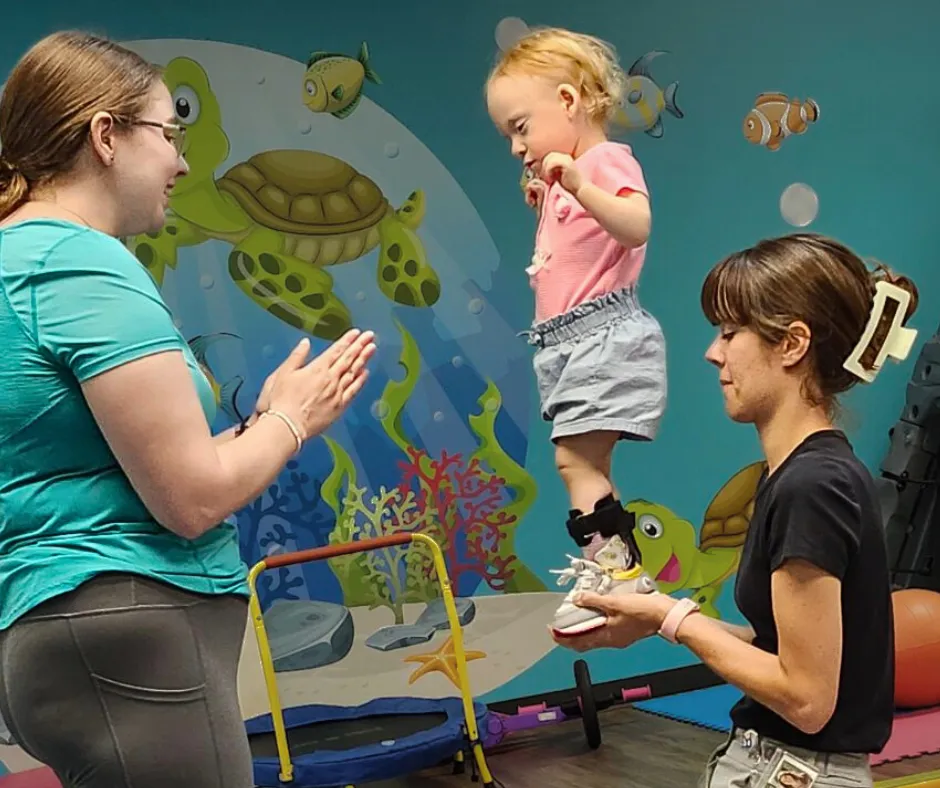
The primary theory behind DMI is the use of the body's automatic postural responses. In DMI therapy, we place the child in a position where gravity provides information requiring a response. We then wait for the child to complete the movement, with gradually less assistance over time.
Who Needs DMI Therapy?
DMI is beneficial for children with and without a specific diagnosis. However, those with specific diagnoses include, but are not limited to:
Cerebral Palsy: Children with cerebral palsy often struggle with motor control, muscle tone, and balance, all of which can be targeted by DMI therapy.
Developmental Delays: Children experiencing delays in reaching motor milestones (such as crawling, walking, or standing) may benefit from DMI’s movement-based approach.
Genetic Disorders: Certain genetic conditions that affect motor development, such as Down syndrome or muscular dystrophy, may be candidates for DMI.
Spina Bifida: This congenital condition affecting the spinal cord can cause motor deficits, and DMI can be useful in strengthening movement capabilities.
Brain Injuries: Traumatic or acquired brain injuries in children that result in impaired motor functions can be addressed through DMI therapy.
Other symptoms of a child who could benefit from DMI include:
Difficulty with postural control (e.g., sitting, standing, or balancing)
Delayed or atypical motor development (not crawling or walking at the expected age)
Limited muscle tone or spasticity
Challenges in coordination and movement precision
Fatigue or weakness during movement activities
This is not an exhaustive list. There are many other conditions that may benefit from Dynamic Movement Intervention. DMI therapy is typically recommended for children who have developmental motor disorders or neuromuscular challenges that affect their ability to move, balance, or coordinate their body movements.
Identifying the Need for DMI
The need for DMI therapy is typically identified by healthcare professionals such as neurologists, rehabilitation specialists or physical therapists, often after a comprehensive evaluation of the child’s motor function. Parents may also notice signs that their child is not reaching developmental motor milestones and seek medical advice.
Any physical therapy diagnosis can result in the use of DMI, and this is often very useful for children under 1 to help with head control, children under 2 to help with standing, walking, and posture control, and children 5 and under with more involved diagnoses. Early identification and intervention are extremely beneficial in maximizing the effectiveness of DMI therapy and improving the child’s functional outcomes.
A Comprehensive Guide for Parents on the Individualized Education Program
Navigating the world of special education can be overwhelming for parents, especially when faced with terms and processes that are unfamiliar but crucial for their child's education. One of the most crucial tools in supporting children with developmental needs is the Individualized Education Plan (IEP). But what exactly is an IEP, and how can it benefit your child? In this post, we’ll break down the IEP process into four essential points to help you understand how it works and how it can support your child’s educational journey. Plus, we’ll highlight how MetroEHS Pediatric Therapy leverages IEPs to providecomprehensive care for families.
1. Understanding the Basics: What Is an IEP?
An IEP, or Individualized Education Program, is a legally binding document developed for children who qualify for special education services in public schools. The child's IEP outlines specific educational goals, the services the child will receive, and the setting in which those services will be delivered. The IEP is designed to meet the unique needs of each student and is developed by a team that includes parents, teachers, school administrators, and specialists. The IEP is mandated by federal law to ensure that children with disabilities receive a free appropriate public education tailored to their unique needs.
An IEP is provided for students who are aged 3-26 in the state of Michigan. This is Part B of IDEA which is the Individuals with Disabilities Education Act, a federal law that provides free public education and special services to children with disabilities. IDEA entitles children to special education services if their disability significantly impacts their ability to access education, and if a specially designed program is needed. Part C of IDEA includes a special education law that governs special education programs and services for children who are birth to 3 years old. Special needs children in this age grouping and their families receive an Individualized Family Service Plan, and parents/caregivers are integral to the assessment and intervention process. This program is often called “Early On”.
At MetroEHS Pediatric Therapy, our specialists understand the critical role an IEP plays in a child’s education. We work closely with families and school districts to ensure that the IEP aligns with the child’s developmental goals, ensuring a smooth transition between therapy and the classroom environment.
2. The Evaluation Process: How Does It Start?
The IEP process begins with an initial evaluation with a MET (Multidisciplinary Evaluation Team). The MET only includes the required personnel for areas being assessed, which always includes a district representative, and a general education teacher in addition to other special education staff (special education teacher, speech and language pathologist, occupational therapist, and teacher consultants). This initial evaluation is a crucial step in the special education process to assess whether a child qualifies for special education services. In order to be eligible for special education programs and services, the child must have needs that pose an adverse academic impact. If your child has been diagnosed with a developmental disorder, such as autism, you should contact your local school district to request a special education evaluation. If parents disagree with the school's evaluation, they have the right to request an Independent Educational Evaluation (IEE) at the school district's expense. This request must be made in writing, as it ensures a documented trail of your efforts to seek assistance.
Once the request is made, the school district has 30 school days to complete the initial evaluation. MetroEHS is proud to assist families during this process, offering insights and support to ensure that every evaluation considers the child’s full range of needs.
3. Developing the IEP: Collaborating for Special Education Services Success
Once the evaluation is complete and eligibility is confirmed, the IEP team—including parents, teachers, and specialists—convenes for an IEP meeting to develop the IEP. During the IEP meeting, various school personnel, including teachers and administrators, collaborate to create a plan that addresses the child's unique needs. The plan outlines specific goals for the school year, the type of classroom environment the child will be placed in, and any additional services they will receive to support the child's educational development. An IEP meeting should be held at least once per year and can occur more often at the discretion of any IEP team member.
At MetroEHS, we emphasize the importance of parental involvement in this process. Parents are the experts on their child’s needs, and their input is crucial in creating an effective IEP. We work with families to ensure their voices are heard, advocating for the services and accommodations that will best support their child’s growth and learning.
4. Ongoing Monitoring and Adjustments: Keeping the IEP Relevant under the Disabilities Education Act
An IEP is not a static document; it is reviewed annually and adjusted as needed to reflect the child's educational progress and any changes in their needs. Every three years, a full reevaluation is conducted to reassess the child’s eligibility and to update the IEP accordingly. However, parents can request an IEP review at any time if they feel the current plan isn’t meeting their child’s needs. The 3 year Reevaluation may be waived, and the child’s eligibility at that time may be continued. This occurs if there is not a concern about the child’s eligibility, (e.g., the child’s condition is chronic).
MetroEHS is dedicated to ongoing collaboration with schools and families. We monitor the effectiveness of the IEP and make recommendations for adjustments when necessary. This commitment ensures that the child receives the most appropriate education and therapeutic services at every stage of their development.
MetroEHS: Your Partner in the IEP Process with a Special Education Teacher
At MetroEHS Pediatric Therapy, we are committed to helping children with developmental needs reach their full potential. We understand that the IEP is a vital tool in achieving this goal, and we work tirelessly to support families through every step of the process. From initial evaluations to IEP development and ongoing adjustments, our team is here to provide the expertise and advocacy needed to ensure your child’s success in school and beyond.
The best start for your child is for a family member or caregiver to contact their local school district to get the IEP ball rolling. They can call their district’s special education department and seek an evaluation/support as needed.
The Procedural Safeguards is a document given to parents/caregivers at every special education meeting. This includes specific guidance for special education for children in Michigan. You can access this information here: State of Michigan's Website
If you’re seeking more information about the IEP process or need support navigating special education services, contact MetroEHS today. Our experienced professionals are ready to assist you in unlocking the full potential of your child’s educational journey.
Are you concerned about your child’s toe walking habits? Toe walking, a common concern for parents, can sometimes be associated with autism spectrum disorder (ASD). Understanding the connection between toe walking and autism is crucial for early intervention and support.
What is Toe Walking?
Toe walking refers to a walking pattern where a person walks on their toes or the balls of their feet without their heels touching the ground. While occasional toe walking in toddlers is common, persistent toe walking beyond the age of two may indicate an underlying issue.
The Connection with Autism
Toe walking is often observed in children with autism spectrum disorder (ASD). While not all toe walkers have autism, studies suggest that many children with ASD exhibit toe walking behavior. Children with Autism often have higher sensory seeking behaviors, and being up on their toes gives them deep sensory input through their feet and in their contracted calf muscles. This connection can lead to more targeted interventions and support from therapists and parents.
How Can a MetroEHS Physical Therapist Help?
Physical therapy plays a crucial role in addressing toe walking in children, especially those with autism. A skilled physical therapist can:
Assess the Underlying Causes: A physical therapist will conduct a comprehensive evaluation to identify any underlying factors contributing to toe walking, such as muscle tightness, sensory issues, muscle weakness, or lack of range of motion.
Develop Individualized Treatment Plans: Based on the assessment, the physical therapist will create a personalized treatment plan tailored to your child’s needs. This plan may include stretching exercises, strengthening activities, balance training, or different sensory inputs.
Educate and Empower Families: MetroEHS Physical Therapists work closely with families to educate them about toe walking and provide strategies for home exercises and activities to support their child’s progress.
Toe-walking can impact your child long-term if left untreated:
Toe walking will impact your child’s overall body positioning, posture, and muscles. With toe walking, because of these impacts, it will also change the load of the body’s joints and likely cause chronic pain as the individual ages. It is common for toe walkers to lose range of motion in their ankles, preventing them from being able to reach their heels to the ground and causing their Achilles tendon to shorten. In more severe cases, if the Achilles tendon shortens too much, the only way to regain that length is with a surgical lengthening.
Take the First Step Towards Support
If you’re concerned about your child’s toe walking or suspect they may have autism, early intervention is key. Schedule an evaluation with a qualified physical therapist who specializes in pediatric care. Together, we can help your child take confident steps towards improved mobility and independence.
Youth sports are a cornerstone of childhood, offering numerous benefits such as physical fitness, teamwork, and discipline. However, with the increasing intensity and competitiveness in youth sports, injuries among young children are becoming more prevalent.
According to the National SAFE KIDS Campaign and the American Academy of Pediatrics: More than 3.5 million children (about twice the population of Nebraska) ages 14 and younger get hurt annually playing sports or participating in recreational activities. There are a few steps that parents can take to potentially prevent injuries in sporting activities and keep the fun on the field!
Ensure Proper Conditioning and Training
Pre-Participation Physical Exam: Before starting any sport, have your child undergo a physical exam to ensure they are fit to participate.
Proper Training: Enroll your child in programs with certified coaches who emphasize proper techniques and conditioning.
Strength and Flexibility: Encourage exercises that build strength and flexibility. Strength training should be age-appropriate, focusing on technique rather than heavy weights.
Use Appropriate Equipment
–Protective Gear: Ensure your child uses sport-specific protective gear such as helmets, mouthguards, pads, and appropriate footwear. All equipment should fit well and be in good condition. –Regular Checks: Inspect equipment regularly for wear and tear. Replace damaged gear promptly to maintain safety standards.
Promote Safe Playing Techniques
Warm-Up and Cool-Down: Encourage a proper warm-up before and cool-down after practices and games to prevent muscle injuries.
Teach Safe Techniques: Ensure coaches emphasize and teach safe playing techniques, particularly in contact sports. Children should understand the rules of the game and the importance of fair play.
Avoid Overuse: Limit repetitive movements that can lead to overuse injuries. Ensure your child gets sufficient rest and recovery time between practices and games.
Encourage Open Communication
-Listen to Your Child: Encourage your child to speak up about any pain or discomfort. Ignoring pain can lead to more severe injuries. -Monitor for Signs of Fatigue: Watch for signs of fatigue or burnout, which can increase the risk of injury. Ensure your child gets adequate rest and maintains a healthy balance between sports and other activities.
Foster a Balanced Approach
-Limit Specialization: Avoid having your child specialize in one sport or activity at a young age. Encourage participation in various activities from soccer to piano lessons to promote physical development and reduce the risk of overuse injuries. -Adequate Rest: Ensure your child gets enough rest, including off-season breaks, to allow their body to recover and grow stronger.
Educate on Nutrition and Hydration
-Balanced Diet: Provide a balanced diet rich in vitamins and minerals to support your child’s physical activity. Include a variety of fruits, vegetables, lean proteins, and whole grains. -Stay Hydrated: Teach your child the importance of staying hydrated before, during, and after physical activities. Encourage them to drink water regularly, especially in hot and humid conditions.
Work with Healthcare Providers
Regular Check-Ups: Schedule regular check-ups with a healthcare provider to monitor your child’s overall health and development.
Follow Medical Advice: If your child is recovering from an injury, strictly follow the healthcare provider’s advice regarding rehabilitation and when it is safe to return to sports. Stay Informed and Involved
Educate Yourself: Stay informed about the risks associated with your child’s sport and the best practices for injury prevention.
Active Participation: Be actively involved in your child’s sports activities. Attend practices and games to observe the coaching methods and the environment.
Preventing injuries in youth sports requires a proactive approach from parents. Through these efforts, parents can help their children enjoy the benefits of sports while minimizing the risks. Sometimes, even with parents’ and coaches’ best intentions, injuries can occur.
Common Youth Sports Injuries
Injuries in youth sports can range from minor bruises to severe fractures. Here are some of the most common injuries:
Sprains and Strains: These occur when ligaments (sprains) or muscles (strains) are overstretched or torn. Common sites include the ankle, knee, and wrist.
Fractures: Broken bones are a frequent result of high-impact sports or falls. The wrist, arm, and collarbone are often affected.
Overuse Injuries: Conditions like shin splints and stress fractures arise from repetitive motion. They are particularly common in sports requiring long periods of training, such as running and swimming.
Concussions: Head injuries are serious and can occur in contact sports like football, soccer, and basketball. They require immediate medical attention.
The Role of Physical Therapy
Physical therapy plays a critical role in the recovery and rehabilitation of young athletes. Here’s why it’s frequently prescribed:
Personalized Rehabilitation Plans: Physical therapists develop customized treatment plans tailored to the specific injury and the child’s needs. This ensures a targeted approach to healing.
Pain Management: Techniques such as ice therapy, heat therapy, and electrical stimulation help manage pain effectively, promoting a quicker return to normal activities.
Improving Mobility and Strength: Therapists use exercises to enhance flexibility, strength, and range of motion. This is crucial for preventing future injuries.
Education and Prevention: Physical therapists educate young athletes and their families on proper techniques, warm-up exercises, and ways to prevent re-injury.
Frequency of Physical Therapy Prescription
The prescription of physical therapy varies depending on the severity and type of injury. However, statistics indicate a growing reliance on physical therapy for youth sports injuries:
Research shows that nearly 30-50% of youth athletes with moderate to severe injuries are prescribed physical therapy as part of their treatment plan. This percentage highlights the critical role physical therapy plays in the comprehensive recovery process for young athletes.
Youth sports injuries are an unfortunate but common aspect of an active childhood. While they can be alarming, the right approach to treatment, including the strategic use of physical therapy, can significantly enhance recovery outcomes. By focusing on personalized rehabilitation, pain management, and preventative education, physical therapy helps young athletes get back on their feet—stronger and more resilient than before.
As the world of youth sports continues to grow, understanding and mitigating the impact of sports injuries through effective therapeutic interventions will remain crucial in safeguarding the health and well-being of young athletes. By fostering awareness and providing appropriate care, we can ensure that youth sports remain a positive and enriching experience for all children.
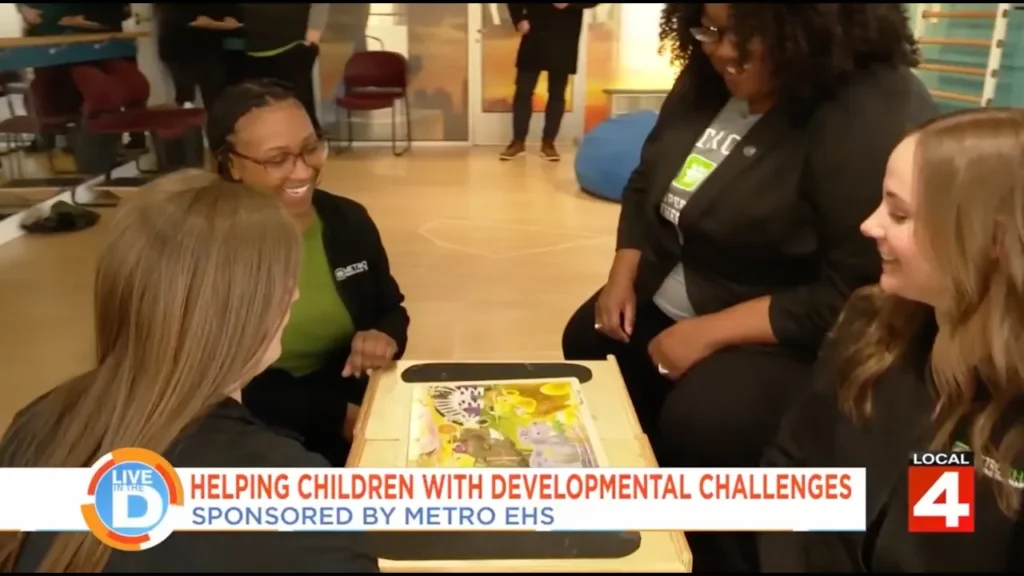
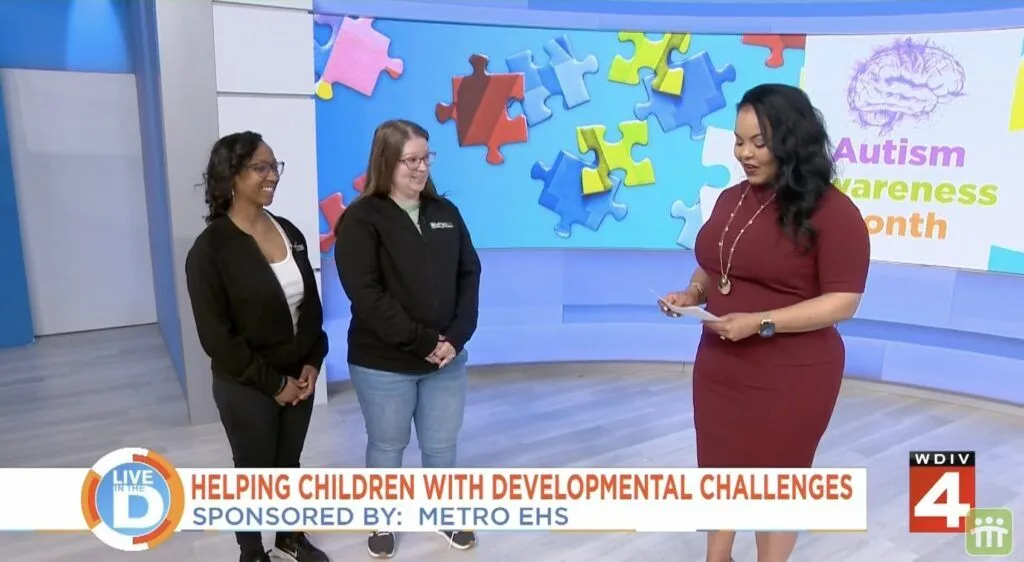
As April and Autism Awareness Month have come to a close, we’re highlighting the incredible work of MetroEHS Pediatric Therapy in Metro Detroit. With multiple locations and more on the way, MetroEHS is dedicated to helping families with children on the autism spectrum and those needing specialized therapy. Today, we’re focusing on a universal challenge for parents: potty training.
Joining us are Deanna Coker, a board-certified behavioral therapist analyst, and Kelly Johns, the director of physical therapy at MetroEHS. They share valuable insights on potty training, addressing common issues and providing practical solutions.
Recognizing Readiness for Potty Training
Kelly Johns emphasizes that recognizing when your child is ready for potty training is crucial. Key signs include:
- Extended Bladder Control: Holding their bladder overnight or for several consecutive hours.
- Interest in the Potty: Playing with their diaper, showing curiosity about the toilet, or performing a "potty dance."
- Communication: Telling you they need to go or showing signs they’re aware of their bodily functions.
Addressing Potty Training Challenges
Sometimes, despite a parent’s best efforts, potty training can hit a snag. Deanna Coker points out that issues such as regression, frequent nighttime accidents, or persistent constipation might indicate underlying problems like pelvic floor complications.
Assisting with Physiological Challenges
To support children struggling with potty training, Kelly recommends several strategies:
- Blowing Bubbles: This helps relax the pelvic floor. Encourage your child to blow bubbles while sitting on the toilet or during playtime.
- Using a Squatty Potty: This stool ensures a proper 90-degree angle, aiding in effective bowel movements.
- Belly Breathing: Teach your child to focus on their belly rising and falling, which can help with relaxation and control.
Effective Potty Training Methods
Deanna shares essential potty training tips:
Ditch the Diapers: Transition your child to underwear to help them feel the wetness of accidents.
Stay Hydrated: Encourage your child to drink plenty of fluids to ensure they need to use the bathroom regularly.
Set a Schedule: Take your child to the potty every 20 minutes initially, allowing them to sit for a few minutes each time.
Positive Reinforcement: Use rewards like a sticker chart to celebrate successes. This visual progress tracker can be highly motivating for children.
Deanna shares a personal anecdote about using a princess-themed sticker chart for her daughter, highlighting how such simple tools can make the process enjoyable and rewarding for children.
MetroEHS Pediatric Therapy provides comprehensive support for various therapy needs, including ABA, speech, occupational, feeding, and physical therapies. With their expanding network of locations, they are readily accessible to families across Metro Detroit.
For more information or to find the nearest MetroEHS location, visit http://metroehs.com
**Thank you, Deanna and Kelly, for sharing your expertise and practical advice.** Potty training can be a daunting task, but with these tips, parents can navigate this essential milestone more effectively.
April is Autism Awareness Month, a time dedicated to shedding light on autism spectrum disorder (ASD) and promoting understanding and acceptance. Throughout this month, we've been exploring how MetroEHS, a pediatric neighborhood therapy company with locations across Metro Detroit, is making a difference in the lives of children on the autism spectrum through various forms of therapy.
Today, we delve into a common phenomenon observed in children—toe walking—and its potential significance, particularly in relation to autism. Toe walking, the act of walking on the toes, balls of the feet, or tippy toes, is a behavior that may raise concerns, especially when observed in children around the ages of two to three.
According to experts at MetroEHS, including Kelly Johns, the Director of Physical Therapy, toe walking can be an indicator of potential developmental issues, including autism spectrum disorder. Children on the spectrum often exhibit sensory-seeking behaviors, and toe walking can be one manifestation of this sensory-seeking behavior, providing them with additional sensory input.
While occasional toe walking in toddlers who are still learning to walk may not be alarming, persistent toe walking, especially beyond the age of two or three, warrants attention. If a child is consistently toe walking more than 50% of the time, it is advisable for parents to seek evaluation and possible intervention, such as physical or occupational therapy.
Toe walking can have various implications for a child's physical development and overall well-being. It can lead to issues such as pelvic misalignment, muscular imbalances, and even the shortening of the Achilles tendon over time. Addressing toe walking early through therapy and interventions can mitigate potential future problems and promote proper musculoskeletal development.
MetroEHS offers a range of therapies, including physical and occupational therapy, to address toe walking and other developmental concerns in children. Additionally, parents can play an active role in helping their children at home by incorporating simple exercises and activities aimed at stretching the calf muscles and promoting proper walking mechanics.
Simple interventions like stretching exercises and using swim flippers can aid in correcting toe walking tendencies and promoting a more natural gait pattern in children. By combining professional therapy with at-home practices, parents can support their children's physical development and overall well-being.
MetroEHS has 14 locations across Metro Detroit, with three more on the way, ensuring accessibility for families seeking therapy services for various developmental needs, including autism spectrum disorder. Find the nearest MetroEHS location to you on the Locations Page!
As we wrap up Autism Awareness Month, let's continue to spread awareness, understanding, and support for individuals on the autism spectrum and their families, empowering them to thrive and lead fulfilling lives.
As the days grow longer and the temperatures rise, parents everywhere are gearing up for summer break. For parents of special needs children, however, summer planning can come with its own set of challenges. From scheduling doctor appointments to finding engaging activities, it’s essential to plan to ensure a smooth and enjoyable summer for the whole family. If you’re in our beautiful state of Michigan, chances are you are planning on a trip up north or to the beach. There are plenty of options available to make this summer one to remember. Let’s dive into some tips and resources to help you efficiently prepare and plan for the upcoming season.
Start Early: The key to successful summer planning is to start early. Begin by making a list of all the activities and appointments you want to schedule for your child. This might include medical check-ups, therapy sessions, and recreational activities. By getting organized ahead of time, you’ll avoid last-minute stress and ensure that you secure the dates and times that work best for your family and your vacation plans.
Schedule Doctor Appointments Now: Take the time to schedule any necessary doctor appointments for your child before the summer rush hits. This might include routine check-ups, consultations with specialists, or adjusting therapy sessions if you plan to be out of town. Many healthcare providers experience increased demand during the summer months, so booking appointments in advance is essential. Be sure to communicate any specific needs or concerns with your healthcare provider to ensure that they can accommodate your child effectively.
Explore Kid-Friendly Activities: Southeastern Michigan offers a wealth of kid-friendly activities that cater to children of all abilities. From sensory-friendly museums to inclusive parks, there’s something for everyone to enjoy. Take the time to research local attractions and events that are accessible and accommodating to children with special needs. Consider reaching out to community organizations or support groups for recommendations and tips on inclusive activities in your area. Maybe you can even suggest that more venues offer sensory-friendly options!
Consider Summer Camps and Programs and register soon: Summer camps and programs can provide valuable opportunities for children to socialize, learn new skills, and have fun but spots fill up fast this time of year. Look for camps that offer specialized programming for children with special needs, especially those that include sensory-friendly activities and trained staff. Many camps in Southeastern Michigan offer scholarships or financial assistance for families in need, so don’t hesitate to inquire about available resources. Be aware that some of the scholarship programs for camps and summer programs are first come first serve.
Create a Visual Schedule for your Kids: Visual schedules can be incredibly helpful for children with special needs, providing them with a clear understanding of their daily activities and routines. Take the time to create a visual schedule for your child’s summer break, incorporating doctor appointments, outings, and leisure time. Use pictures, symbols, or written words to represent each activity, and involve your child in the planning process to foster independence and self-awareness.
Get a jump on Fall: An IEP is a personalized education plan designed to support a child with a disability. It can be a lengthy process to get an IEP in place for your child. To start the process, request an evaluation from your child’s school or school district, then work with the IEP team to develop a plan tailored to your child’s unique needs. If you need additional guidance, consider reaching out to local parent advocacy groups or special education organizations for support and resources.
Early summer planning may require some extra time and effort, but the rewards are well worth it. By starting early, scheduling doctor appointments, exploring kid-friendly activities, considering summer camps, and creating visual schedules, you can ensure that your child has a memorable and enjoyable summer break and save yourself some panic later. Remember to prioritize self-care and relaxation for yourself as well, and don’t hesitate to reach out to local resources and support networks for assistance along the way. Here’s to a summer filled with fun, adventure, and plenty of cherished memories!
In a recent airing of Live in the D, sponsored by MetroEHS Pediatric Therapy, the spotlight was on Autism Awareness Month, shedding light on how children on the autism spectrum can benefit from life-changing therapy. MetroEHS, a pediatric neighborhood therapy company with multiple locations across Metro Detroit, including expanding services, is dedicated to enhancing the quality of life for children with various therapy needs, including autism.
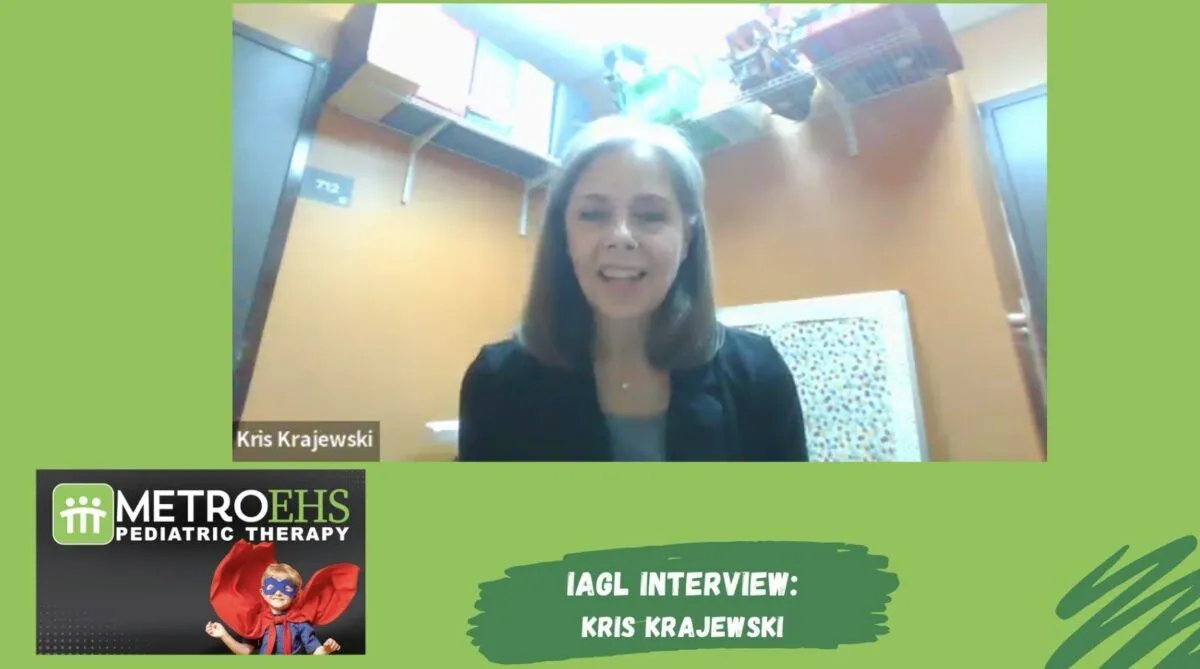
Deanna Coker, a board-certified behavioral analyst, and Kris Krajewski, a speech therapist with MetroEHS, joined the show to discuss how therapy can significantly impact children’s communication skills.
Understanding Communication Challenges in Autism
Deanna explained that autism, as a developmental disability, often presents challenges in social interaction and communication. Unlike typically developing children who learn language by observing and imitating, children with autism struggle to find meaningful ways to communicate, despite their desire to do so.
The Role of Speech Therapy
Kris emphasized that speech therapy is essential for children with autism, given that communication difficulties are a hallmark characteristic of the condition. Speech therapists, like those at MetroEHS, work to identify barriers to communication and introduce alternative methods for expressing thoughts and needs.
Speech Therapy Interventions
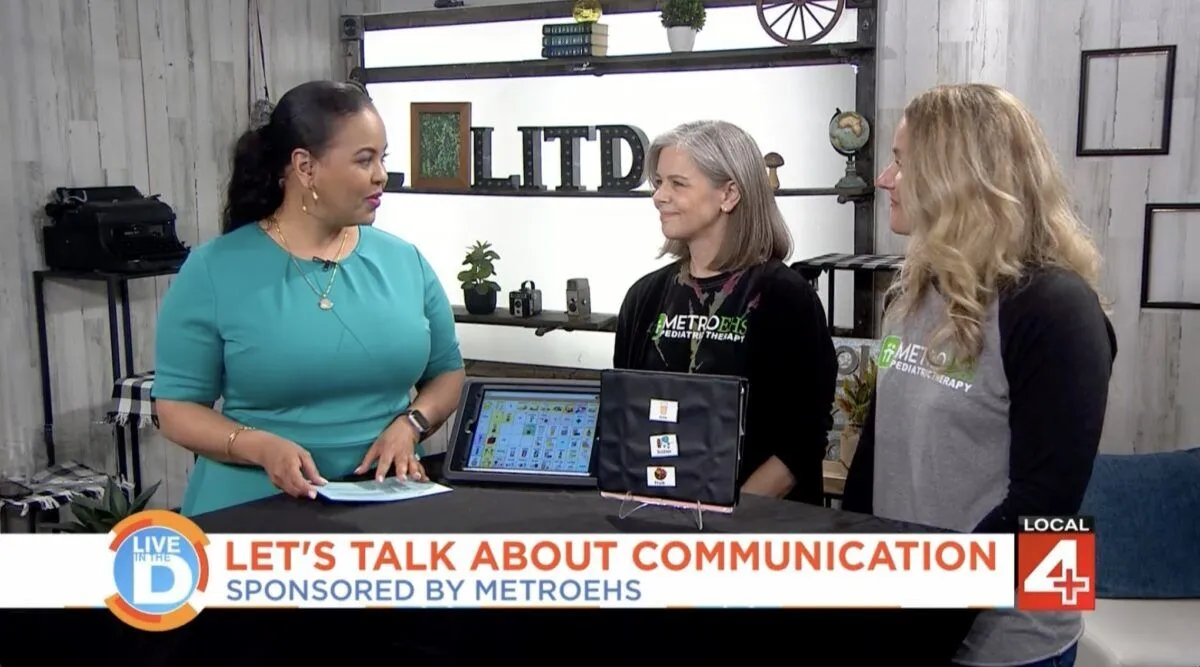
Kris introduced an innovative tool called the AAC device (Alternative and Augmentative Communication), essentially an iPad loaded with specialized software designed exclusively for communication purposes. This device enables children to select words and icons to express themselves, giving them a voice and autonomy in their interactions.
Empowering Communication Through Tools
Deanna highlighted another communication aid, the PECS book (Picture Exchange Communication System), a low-tech solution that uses pictures to help children convey wants, needs, and preferences. By selecting and exchanging pictures, children can effectively communicate with caregivers, enhancing their independence and self-expression.
The conversation between Deanna, Kris, and the show’s host highlighted the importance of therapy in empowering children with autism to communicate effectively. Through innovative interventions and specialized tools, such as AAC devices and PECS books, children can overcome communication barriers and actively engage with the world around them.
For families seeking therapy services for their children, MetroEHS offers comprehensive support, including ABA, speech, occupational, feeding, and physical therapies. With multiple locations across Metro Detroit and additional centers on the way, MetroEHS aims to make therapy accessible and impactful for families in need.
In today’s hectic world of parenting, where every child seems to come with their unique set of challenges, one common struggle that many families face is dealing with picky eaters. It’s a scenario familiar to almost every parent or guardian out there. But fear not, because MetroEHS Pediatric Therapy is stepping in to offer a solution that not only addresses the needs of the child but also brings relief to the entire family.
During a recent segment on Live in the D, Tati Amare dove into the topic of feeding therapy with two experts from MetroEHS: Dawn Sterling, a Board Certified Behavioral Analyst, and Sam Fitzsimmons, the Director of Occupational Therapy. Their insights shed light on the signs indicating a child could benefit from feeding therapy, how MetroEHS approaches this issue, and invaluable advice for parents navigating feeding challenges.
According to Sam Fitzsimmons, pediatric feeding disorders are more common than we might think, with one in 23 children under the age of five affected. These disorders often accompany developmental disabilities like ADHD and autism, making them even more prevalent. Signs to watch out for include mealtime behaviors that disrupt daily routines, extreme food selectivity, and a reduction in the variety of foods consumed.
MetroEHS takes a holistic approach to feeding therapy, utilizing an interdisciplinary model that incorporates occupational therapy, speech therapy, applied behavior analysis (ABA), and physical therapy. Their goal is to make feeding a positive and enjoyable experience for children, starting with non-food items and gradually progressing to food-based activities through play and sensory exploration.
One of the most significant takeaways from the discussion is that it’s never too early to seek help. Whether it’s addressing difficulties with latching during breastfeeding in newborns or tackling food aversions in older children, MetroEHS is there to support families every step of the way.
When it comes to feeding strategies, Dawn Sterling emphasizes the importance of keeping things light and pressure-free. Rather than engaging in power struggles over food, she advocates for creating a nurturing environment where children feel comfortable exploring new foods at their own pace. The key is to focus on engagement and enjoyment, both for the child and the family.
In their own words, both Dawn and Sam emphasize MetroEHS’s commitment to holistic care, not just for the child but for the entire family. By adopting a whole-child approach and empowering families, MetroEHS aims to foster growth and success in every aspect of a child’s development.
As the conversation drew to a close, Tati Amare reiterated the accessibility of MetroEHS’s services, with 14 locations already established in Metro Detroit and three more on the horizon. Whether it’s ABA, speech, occupational, feeding, or physical therapies, MetroEHS stands ready to lend a helping hand to families in need.
In conclusion, dealing with picky eaters can be a daunting challenge, but with the right support and guidance from experts like those at MetroEHS Pediatric Therapy, families can overcome these obstacles and ensure that every child thrives. If you’re facing feeding difficulties with your child, don’t hesitate to reach out and discover the transformative power of pediatric feeding therapy.
MetroEHS introduced Pelvic Floor Therapy last month and this new therapy will change the lives of countless children because of it. Pelvic floor therapy is a specialized field of physical therapy that focuses on treating conditions and symptoms related to the pelvic floor muscles in children. Pelvic Floor Therapy involves training your child on how to contract and relax the pelvic floor muscles and with retraining and regular exercises, your child can learn how to better control and gain sensory awareness of these muscles, which play a crucial role in urination and stooling.
Who Could Benefit from Pelvic Floor Therapy?
Pelvic floor therapy can be beneficial for children who struggle with or are unable to gain control over their bowel and bladder. This therapy is often recommended for children who are diagnosed with one or multiple of the following conditions:
Enuresis/Bedwetting
Constipation
Incontinence
Overactive bladder
Urinary frequency/retention
Urinary incontinence
Urinary urgency
Frequent UTIs
What to Expect with Pelvic Floor Therapy?
The success of pelvic floor therapy often depends on the involvement and commitment of parents or caregivers. Adherence to recommended diet modifications and daily routines can greatly improve the outcomes of this therapy. At MetroEHS, our physical therapists take into account the family history and any life-changing events to tailor the therapy according to the specific needs of each child.
‘Tis the season of shopping! During all the hustle and bustle, MetroEHS wanted to offer a few tips for how to shop smart for your little superhero! At MetroEHS, we know that play is a crucial aspect of a child’s development. This means choosing the right toys can significantly impact a child’s cognitive, physical, social, and emotional growth. During this season of giving, we thought we could explore five suggestions for beneficial toys that cater to the developmental needs of children, as well as share our Amazon Shopping Idea list that was created by some of our amazing and knowledgeable MetroEHS therapists.
Sensory Toys and Building Blocks for Littles (0-2 years):
In the early stages of life, infants rely heavily on their senses to understand the world and face-to-face time during play time is paramount. Through engaging directly with beloved caregivers and family members by singing simple songs, reading nursery rhymes, and playing silly fingerplays like peekaboo, little ones learn to enjoy level appropriate toys as well as time with caregivers.
Sensory toys with high contrast patterns are the most engaging selection for children aged 0-2 years. This includes toys with different textures and sounds and toys that allow for simple problem solving. Aim for easy to grasp toys that target multiple senses for the sensorimotor stage of play in order to promote motor skill development and learning. Ensure toys are free from small parts that could pose a choking hazard. Be sure to engage with your child by narrating what they are feeling and doing with the toy with simple language (e.g., “Big ball!” if playing with a ball). soft, cold, bumpy, hard, etc.).
Children are natural builders and playing with building blocks can enhance their motor skills, spatial awareness, and creativity. Choose colorful blocks that are easy for small hands to manipulate. Building activities also promote problem-solving, social skills, and cognitive development as children experiment with different arrangements and structures. Engage with your child by verbalizing and encouraging them to “put on”, “knock down”, “kick over”, “put in”, “take out”, or use narration of colors and counting to practice those ever-important verbal skills. Make playtime learning time!
-Pretend Play for Toddlers (2-4 years): Preschoolers love to pretend and role play. Toys that simulate real life tasks (cooking, tools, costumes) are great for cognition and development of the imagination. They also foster independence, social and emotional skills, overall language, and critical thinking.
-Games for Early School-Aged Kids (4-6 years): Board games tailored for young children offer a fun way to introduce early learning concepts such as counting, color recognition, and basic literacy. Games like “Memory” or “Chutes and Ladders” encourage social interaction, turn-taking, and strategic thinking. Games like “Sneaky Squirrel” and “Twister” can foster fine and gross motor skills. Ensure the games are age-appropriate and encourage cooperative play, fostering important social skills.
-STEM Toys for School-Aged Children (6-10 years): As children progress through the school years, STEM (science, technology, engineering, and math) toys can play a vital role in developing critical thinking and problem-solving skills. Look for age-appropriate science kits, robotics, or construction sets that engage children in hands-on learning experiences. These toys not only make learning fun but also prepare children for the challenges of a technology-driven future. Consider games like Headbandz, which can allow your child an opportunity to practice vocabulary skills. Card games are a great time to play with your child in which your child can think strategically, for instance Uno, Phase 10, and Old Maid, can be fun for early school age children.
-Art and Craft Supplies for Creative Expression (All Ages): Foster your child’s creativity with art and craft supplies. From coloring books and crayons for younger children to more advanced crafting materials for older kids, these activities help enhance fine motor skills, self-expression, and imaginative thinking. Consider providing a designated space for art projects, allowing children to explore their creativity in a supportive environment.
Choosing the right toys for children aged 0-10 years involves considering their developmental stage and providing opportunities for growth through play. Soft, sensory toys, building blocks, educational board games, STEM toys, and art supplies can all contribute to a well-rounded and enriching playtime experience. By selecting toys that align with a child’s developmental needs, parents and caregivers can actively support their journey of learning and discovery. Parents are a child’s first play partner. The importance of a parent engaging in play with their child cannot be minimized! Enjoy this special time with your child and make playtime beneficial for both of you.
Experienced MetroEHS Clinicians pulled together a great shopping list which includes some of the toys discussed in this blog. You can find that list here.
Gratitude is a valuable life skill that can enrich the lives of all individuals, including children on the autism spectrum. Teaching children with autism about gratitude can help them develop a more positive outlook, build stronger relationships, and improve their overall well-being. However, because children on the autism spectrum often have unique learning needs, it’s important to use tailored strategies to teach them about gratitude. Here are a few ideas.
1. Visual Supports
Visual supports are powerful tools for children with autism, as they process information in a more concrete manner. Create visual schedules or charts that incorporate gratitude activities into their daily routines. For example, you can design a “gratitude journal” with pictures or symbols representing things they are thankful for. During the month of November, you could draw a tree on a large piece of paper and add a leaf of gratitude every day with a drawn picture of what you are thankful or writing down simply one word. This can be a simple way to encourage them to reflect on positive aspects of their lives. As they add items to their gratitude journal, reinforce the positive feelings associated with each entry.
2. Social Stories
Social stories are narratives that describe social situations and appropriate behavior. You can create social stories that revolve around gratitude. Tailor the stories to your child’s interests and communication style. For instance, you might develop a story about a character who learns to express gratitude when someone helps them. Reading and discussing these stories with your child can help them understand the concept of gratitude and its importance.
3. Visual Modeling
Children on the autism spectrum often benefit from visual modeling, where they observe someone demonstrating a behavior or skill. Create visual examples of gratitude by using pictures, drawings, or videos. Show them how to say “thank you” or how to express gratitude through simple gestures. Repeated exposure to these visuals can help them imitate and internalize these actions. Make sure you are expressing your appreciation with the people around you while your child is watching.
4. Use Concrete Reinforcers
For many children with autism, immediate reinforcement is key to learning new behaviors. Use concrete reinforcers to motivate your child to practice gratitude. This could be as simple as providing a favorite treat or activity when they express gratitude, whether by saying thank you or engaging in a small act of kindness. The more they associate gratitude with positive outcomes, the more likely they are to embrace it.
5. Practice Mindfulness and Reflection
Gratitude often goes hand in hand with mindfulness and reflection. Teach your child techniques for being present in the moment and focusing on positive aspects of their lives. Simple activities like mindful breathing, meditation, or keeping a gratitude jar can help them develop an appreciation for what they have. Encourage them to reflect at bedtime about their day and share what they are thankful for, fostering a sense of gratitude as part of their daily routine.
Teaching children about gratitude is not only possible but also incredibly beneficial. Gratitude helps improve their emotional well-being, enhance their social interactions, and promote a more positive outlook on life. The key is to tailor your approach to their specific learning needs, using visual supports, social stories, visual modeling, concrete reinforcers, and mindfulness and reflection techniques. Remember that patience and consistency are crucial in helping children with autism develop this valuable life skill. By embracing these strategies, you can help them grow into more thankful, empathetic, and content individuals.
Our therapists and educators have a passion for extending their clinical abilities to those who are in need of Special Education, Child Education or Pediatric Therapy in Metropolitan Detroit.
In the fast-paced world of grand parenting, it’s crucial to stay informed and equipped with the best solutions for raising grandchildren. With approximately 3 million grandparents across the United States taking on the responsibility of raising their grandkids, there is a growing need for expert guidance and support. That’s where the podcast “It’s a Grand Life” comes in, connecting listeners with subject matter experts who understand the unique challenges faced by grand families.
A Valuable Resource:
In a recent episode, host Craig Nash warmly welcomed new listeners from Texas, Nevada, Colorado, Florida, and Alabama. He emphasized the importance of being informed about the best solutions for raising grandkids, setting the objective of “It’s a Grand Life” to present subject matter experts who can provide valuable insights and information.
Expertise in Pediatric Therapies:
The guest of the episode was Kris Krajewski, a speech and language pathologist with MetroEHS Pediatric Therapy, a group dedicated to pediatric therapy in Michigan. Kris shared her background and expertise in speech and language pathology, highlighting her passion for working with children and her personal experience as a parent of a child with Down syndrome.
Comprehensive Approach to Care:
MetroEHS offers a wide range of therapies, including speech, physical, and occupational therapy, as well as applied behavior analysis (ABA) and mental health services. Their focus is on a holistic and coordinated approach, providing support not only to the children but also to their families and caregivers. By incorporating various services, MetroEHS aims to address the unique needs of each child and help them reach their full potential.
Addressing Feeding and Swallowing Issues:
Kris shed light on pediatric feeding disorders, a relatively new diagnosis, and emphasized the importance of understanding the sensory challenges that some children face when it comes to food. MetroEHS provides interventions to help children develop tolerance for different textures and improve their chewing and swallowing abilities.
Navigating the Path to Treatment:
To begin the journey of seeking therapy services, Kris advised starting with a discussion with the child’s pediatrician, who can refer them to appropriate specialists for evaluations and treatments. MetroEHS collaborates with pediatricians, school districts, and insurance providers to ensure comprehensive and accessible care for children.
Supporting Grand Families:
The podcast episode acknowledged that the journey of raising grandchildren can be overwhelming, but it highlighted the importance of seeking help and support. MetroEHS welcomes inquiries and assists families in finding the right resources for their specific needs. Additionally, the Autism Alliance of Michigan was recommended as an excellent resource for families dealing with autism-related concerns.
Raising grandchildren comes with unique challenges, but resources like “It’s a Grand Life” and organizations like MetroEHS provide valuable expertise and support for grand families. By accessing specialized therapies and collaborating with professionals, grandparents can help their grandchildren thrive. Remember, you are not alone in this journey, and there are pathways to assistance and resources available to support you and your grand family along the way.
A: RBT certification is a paraprofessional certificate that is in the behavioral analyst field, and you work under the BCBA or BCABA treating and providing services to our kids.
Q: What are the requirements?
A: What it takes to become an RBT here at MetroEHS is you must be 18 years old, a high school diploma, you need the 40 hours of training, and then take a competency test with the supervisor, and then you apply at the BACB website, and take a test, and become an RBT.
Q: What does the training consist of?
A: The RBT training consists of like an interactive and comprehensive 40-hour training that you work in a small group or one on one with other technicians or your BCBA. You’re out in the clinic, hanging out with the kids, learning and watching how they run programs. That could be at the table time or out in natural environment and once you understand the new words in the ABA field, you take your competency test and take the test at the website.
Q: What is the competency test?
A: The competency test is when the supervisor comes out the clinic with you and they watch how you run programs, they interview you, ask questions about the terminology and it’s pretty much just one on one time or you and the supervisor and your client to make sure you understand the terminology and what you’re actually doing and it’s highly encouraged to actually take your RBT test within 90 days of your 40 hour training. It is free of charge. You take the test at the BACB website.
A: To maintain my credentials as an RBT here at MetroEHS, I track all my supervision hours, and I retake my competency test at the year mark or year anniversary of my RBT testing date.
Q: What are the benefits if earning an RBT certification?
A: MetroEHS offers two benefits for becoming an RBT. One is a raise and two, once you become an RBT, you have more opportunities to move up the ladder and become admin or fun stuff.
We love working in Southeastern Michigan as we get to work with hard-working families and amazing businesses like Emagine who intentionally create special experiences for members of the community that can get overlooked.
Join Emagine For A Sensory Friendly Movie!
Sensory Friendly Screenings provide modifications to the theatre atmosphere without modifying the film for those who experience sensory issues.
Sensory Friendly Film Screenings
Select Emagine locations will host a unique, sensory friendly screening twice a month, with specific modifications made to ensure an enjoyable experience for individuals with sensory needs and their supporters. Their sensory friendly programing makes going to the movies a more enjoyable experience for families, children, and teens with sensory needs. All sensory friendly films will be shown in 2D. *Note there are no modifications made to the film.
What does Sensory Friendly mean?
First, it means sensory friendly experience (lights up a bit, sound down a bit). Second, if your child needs to get up, move, dance, sing…No problem. Third, guests are welcome to bring a safe snack for any food allergies or food avoidance/restrictions.
First Showing of the Day. On-Sale dates vary. Check the website or Emagine app for theatres and showtimes.
The Little Mermaid Saturday, June 3, 2023
Elemental Saturday, June 17, 2023
Where
Tickets are available at the box office, online at Emagine-Entertainment.com or through the Emagine App. To purchase tickets and for a full list of showtimes visit Emagine-Entertainment.com On-Sale dates vary. All films, locations, dates, and times are subject to change.
Film Synopsis
The Little Mermaid (Rated PG) The Little Mermaid is the beloved story of Ariel, a beautiful and spirited young mermaid with a thirst for adventure. The youngest of King Triton’s daughters and the most defiant, Ariel longs to find out more about the world beyond the sea and, while visiting the surface, falls for the dashing Prince Eric. While mermaids are forbidden to interact with humans, Ariel must follow her heart. She makes a deal with the evil sea witch, Ursula, which gives her a chance to experience life on land but ultimately places her life – and her father’s crown – in jeopardy.
Elemental (Rated Pg) Follows Ember and Wade, in a city where fire-, water-, land- and air-residents live together.
In addition to Sensory Friendly Movies
Join Emagine Entertainment For A Variety Of Specialty Screenings
Providing Open Caption, Sensory Friendly, Dementia Friendly, Breakfast & a Movie, and Lunch & a Movie Screenings
Join Emagine Entertainment this June as they host a variety of specialty screenings for their guests. Each month guests can watch some of the newest film releases with an enhanced experience. Open Caption screenings provide subtitles for those with hearing impairments. Sensory Friendly Screenings provide modifications to the theatre atmosphere without modifying the film for those who experience sensory issues. Dementia Friendly screenings provide exclusively selected classic movies and musicals and encourage audience participation while providing guests with special door-to-door service. The Breakfast and a Movie and Lunch and a Movie allow guests to enjoy a full meal and concessions while they enjoy their film.
Open Caption Film Screenings
Select Emagine locations will host Open Caption showings of some of the newest film releases on Sunday and Wednesday afternoons all month long. Guests who experience hearing impairments will be able to enjoy the movie-going experience with audio subtitles displayed on the big screen for all to see. All open caption movies are shown in 2D. *Note: there are no modifications made to the film.
Locations: (Michigan) Novi, Rochester Hills, Royal Oak, Hartland, Woodhaven, Quality 10 Powered by Emagine, (Minnesota) Eagan, Lakeville, Monticello, Rogers, White Bear, Willow Creek, (Wisconsin) Geneva Lakes, (Illinois) Frankfort, (Indiana) Noblesville, Portage
Films: On-Sale dates vary. Check the website or Emagine app for theatres and showtimes.
Spider-Man: Across The Spider-Verse Sunday, June 4, 2023 Wednesday, June 7, 2023
Transformers: Rise Of The Beasts Sunday, June 11, 2023 Wednesday, June 14, 2023
Elemental Sunday, June 18, 2023 Wednesday, June 21, 2023
The Flash Sunday, June 25, 2023 Wednesday, June 28, 2023
Dementia Friendly Screening
Dementia Friendly Screenings include exclusively selected classic movies and musicals presented in a unique setting with softer sound and ambient lighting. Guests are able to interact during the presentation and encouraged to talk back, clap, tap their feet, sway, sing along and get up and dance. Emagine works with Dementia Friendly Saline to provide guests with a special door-to-door experience guided by a team of dementia friendly “Purple Angels.” These staff and volunteers act as guides for the guests beginning the moment they arrive until the moment they leave. More information can be found on Emagine’s website. Tickets can be purchaseddirectly through Dementia Friendly Saline.
Location: Emagine Saline
Films: Showings are the second Wednesday of each month.
Meet Me In St. Louis Wednesday, June 14, 2023 Pre-Show Mingling: 1:15-2:00PM Film Begins: 2:00PM
Breakfast And A Movie Screening
Each month, Emagine hosts a Breakfast and a Movie showing, at select theatres, of one of the newest family-film releases. Tickets are $24 each and include a full breakfast buffet, a 44oz. popcorn, and a 21oz fountain drink as well as a ticket to the showing.
Location: Emagine Royal Oak, Emagine Palladium, Emagine Canton
Film: On-Sale dates vary. Check the website or Emagine app for more information.
The Little Mermaid* Sunday, May 28, 2023
Spider-Man: Across The Spider-Verse Sunday, June 4, 2023
Spider-Man: Across The Spider-Verse Sunday, June 4, 2023
Senior Lunch And A Movie Screening
Each month, Emagine Royal Oak hosts a special Senior Citizen Lunch and a Movie. Tickets are $24 each and include a full lunch buffet, a 44oz. popcorn and a 21oz. fountain drink as well as a ticket to the showing. This offer is valid for guests aged 55 and up.
Location: Emagine Royal Oak
Film: On-Sale dates vary. Check the website or Emagine app for more information.
About My Father Tuesday, June 20, 2023
Where: Tickets are available at the box office, online at Emagine-Entertainment.com or through the Emagine App.
Film Synopsis
Spider-Man: Across The Spider-Verse (Rated P) Miles Morales returns for the next chapter of the Oscar®-winning Spider-Verse saga, an epic adventure that will transport Brooklyn’s full-time, friendly neighbourhood Spider-Man across the Multiverse to join forces with Gwen Stacy and a new team of Spider-People to face off with a villain more powerful than anything they have ever encountered.
Transformers: Rise Of The Beasts (Rated P-13) Returning to the action and spectacle that have captured moviegoers around the world, Transformers: Rise of the Beasts will take audiences on a ‘90s globetrotting adventure with the Autobots and introduce a whole new breed of Transformer – the Maximals – to the existing battle on earth between Autobots and Decepticons. Directed by Steven Caple Jr. and starring Anthony Ramos and Dominique Fishback, the film arrives in theatres June 9, 2023.
The Flash (Rated P-13) Worlds collide in “The Flash” when Barry uses his superpowers to travel back in time in order to change the events of the past. But when his attempt to save his family inadvertently alters the future, Barry becomes trapped in a reality in which General Zod has returned, threatening annihilation, and there are no Super Heroes to turn to. That is unless Barry can coax a very different Batman out of retirement and rescue an imprisoned Kryptonian… albeit not the one he’s looking for. Ultimately, to save the world that he is in and return to the future that he knows, Barry’s only hope is to race for his life. But will making the ultimate sacrifice be enough to reset the universe?
He Little Mermaid (Rated PG) The Little Mermaid is the beloved story of Ariel, a beautiful and spirited young mermaid with a thirst for adventure. The youngest of King Triton’s daughters and the most defiant, Ariel longs to find out more about the world beyond the sea and, while visiting the surface, falls for the dashing Prince Eric. While mermaids are forbidden to interact with humans, Ariel must follow her heart. She makes a deal with the evil sea witch, Ursula, which gives her a chance to experience life on land but ultimately places her life – and her father’s crown – in jeopardy.
Elemental (Rated PG) Follows Ember and Wade, in a city where fire-, water-, land- and air-residents live together.
About My Father (Rated PG-13) The hottest comic in America, Sebastian Maniscalco joins forces with legendary Italian-American and two-time Oscar® winner, Robert De Niro (Best Actor, Raging Bull, 1980), in the new comedy ABOUT MY FATHER. The film centers around Sebastian (Maniscalco) who is encouraged by his fiancée (Leslie Bibb) to bring his immigrant, hairdresser father, Salvo (De Niro), to a weekend get-together with her super-rich and exceedingly eccentric family (Kim Cattrall, Anders Holm, Brett Dier, David Rasche). The weekend develops into what can only be described as a culture clash, leaving Sebastian and Salvo to discover that the great thing about family is everything about family.
Meet Me In St. Louis St. Louis 1903. The well-off Smith family has four beautiful daughters, including Esther and little Tootie. 17-year-old Esther has fallen in love with the boy next door who has just moved in, John. He however barely notices her at first. The family is shocked when Mr. Smith reveals that he has been transferred to a nice position in New York, which means that the family has to leave St. Louis and the St. Louis Fair.
What is the Intensive Feeding Therapy Program Like at MetroEHS?
As we dive into the details of the Intensive Feeding Therapy Program at MetroEHS, hear from the experts at MetroEHS and how they collaborate on the most wholistic approach to Intensive Feeding Therapy.
Jessica Hunt (Occupational Therapist/Feeding Specialist): When it comes to treating children who have complex feeding difficulties and pediatric feeding issues, there's a multitude of things that are typically at the root of the problem. So what's very unique about the program that we have here is that we have involvement from both occupational therapy, speech and language therapy, physical therapy, a dietician, as well as psychology.
Rose Britt (Registered Dietitian): So it's all five disciplines. Spending time together with the family, with the patient, with each other, all talking at one cohesive time, making a plan instead of grabbing pieces from all over the place and putting them together. I think it makes it a lot smoother for us and the families as well.
Kris Krajewski (Director PT, OT, and Speech Services/SLP): Each of our disciplines really does have something to offer to this process, but when we work all together, we have the ability to help our kiddos make more progress more quickly.
Kayla Daniels (Physical Therapist): At Metro, we really take a whole body approach. We don't just look at one aspect of the child. And a lot of people don't think of physical therapy as part of the feeding team, but in order to eat, you have to use all of these posture and muscles, you have to hold yourself up. You have to hold your head up to be able to swallow. So really focusing on all of those aspects of your body is really important to be able to make the progress.
Azari Haygood (Psychologist): As a psychologist on staff for the Intensive Feeding Program, I offer mental health services to the families and to some of the clients. It's very stressful for a lot of these families. It's stressful for the clients that we see. And so, I offer just another support for them, where I'm helping them kind of overcome some of the stressors that they're experiencing around feeding.
Rose Britt (Registered Dietitian): It's not just me telling you what to do. There's so much more going into that, and you get to really listen to the families and hear why it's not working and problem solve together.
Kayla Daniels (Physical Therapist): The impact you can make, not only on the child's life, but on the family's life as a whole is huge.
Azari Haygood (Psychologist): Seeing that improvement in their family's lives feels really great all around.
Jessica Hunt (Occupational Therapist/Feeding Specialist): One in 23 children have a pediatric feeding issue. And so, to truly be able to address all of the aspects of that in one place, that's where we get to make a difference every single day.
Kris Krajewski (Director PT, OT, and Speech Services/SLP): It's like when you have a jigsaw puzzle and you're missing one piece, you can still tell what the picture of the jigsaw puzzle is going to be, but when you have all of the pieces together, integrated into this treatment, the result is just something so much more beautiful.
Kris Krajewski: Hi, I am Kris Krajewski. I am the director of PT, OT and Speech Therapy Services at MetroEHS. I am a clinical fellow mentor, a speech language pathologist, and a mom. And this is my daughter McKenna. McKenna is a therapy assistant at our Rochester Hills location.
Mckenna Krajewski: So as therapy assistant, they clean, do desk work and sanitize, take temperatures, taking care of clients, make sure they're safe and healthy, help them with their work and special needs. It makes me feel amazing and happy to be there for them. I am very, very proud.
Kris Krajewski: I got teary listening to McKenna talk about it because what, what is most important to me for children or anybody of any age, but in particular my child, is that they are happy. A large part of that happiness comes from feeling connected and having a purpose, um, and knowing that you have somewhere to go where you're valued and you're important. And so I see that happening at Metro with McKenna, with her job as a professional. I'm really proud of MetroEHS for thinking about people at, you know, both ends of that age spectrum, right? We have our little littles coming in at a very young age, and we are still interested in what happens to our kiddos when they get out into the world of work. Um, and to me that's a really important message.
A Family's Journey with a Special Need Diagnosis is a beautiful journey! Listen from some more of our MetroEHS Family's stories > HERE
AAC is the term used to describe any form of communication that a person can use that is not speech. This may include pointing to pictures of what the person wants, using sign language, or using a device that will speak a message when a specific button is pushed.
MetroEHS can boast a 100% success rate in supplying clients with these crucial communication devices giving a voice to our superheroes.
When Should AAC be Considered for a Child?
An AAC device should be considered for any child whose speech output is not adequate to fully communicate their wants and needs.
Things to consider:
-Child’s frustration levels
-Adult frustration levels
-Access to school curriculum
-Participation in classroom activities
-Ability to demonstrate knowledge to teachers
-Access to home and community environment
-Ability to interact appropriately with family and peers
-Independence in developmentally-appropriate daily activities
MetroEHS partners with an AAC company and a medical equipment company. These companies serve as consultants for Metro EHS SLPs as we work toward supplying families with AAC devices. Some AAC tools are covered by insurance, but some are not. MetroEHS Pediatric Therapy will help you understand your options.
The Process:
Step One: Our SLPs identify kiddos who might benefit from using AAC!
Step Two: We begin trialing different devices and different communication systems determining which systems work best for each individual client. There are several devices and programs to choose from.
Step Three: Once the SLP determines which system works best, an AAC evaluation is submitted to the client's pediatrician for review. If the pediatrician approves, we obtain a prescription for the device, much like obtaining a prescription for a splint, or other form of medical equipment.
Step Four: When the prescription is received, the prescription and evaluation report are all submitted to the insurance company. Once approved, the device is ordered!
Step Five: The device is delivered to the family and they family receives assistance with set up and demonstration. The device fully belongs to the child.
After the device is in the hands of our client, MetroEHS SLPs work with the family and the client to integrate the device into their world in speech therapy.
With Locations all over South East Michigan and excellent Speech Therapy services, MetroEHS Pediatric Therapy is here to help. Browse through our Locations Page to find a Local Therapy Center near you!
We are proud to sponsor Live in the D, and excited to have joined them this month to bring Autism Awareness.
Tati Amare: As we watch children grow, we see them develop in many different ways, from infant to toddler to child. As they grow, we celebrate milestones like first steps or first words, but what if the child in your life hasn’t reached a milestone by a certain age or at all? That’s where our sponsor, MetroEHS can help families and children thrive when developmental challenges present themselves. Joining us now here from MetroEHS is our sponsor for Autism Awareness Month is Dawn Sterling, a board certified behavioral analyst with MetroEHS Pediatric Therapy. Good morning and thank you for being with us.
Dawn Sterling: Good morning. Thank you for having me.
Tati Amare: This is a lot to think about, but MetroEHS prides itself as a neighborhood therapy company that is accessible to everyone because you have 14 locations and 3 more on the way. Explain the work that you do with families and what makes MetroEHS unique.
Dawn Sterling: Yes, so we are a pediatric therapy service provider and what really makes us unique is the different variety of services that we offer all in one location. So each neighborhood therapy center has a speech and language pathologist, occupational therapy, physical therapy, applied behavior analysis. We also have dieticians and mental health professionals working with us, and what really sets us apart is our feeding therapy program. So what we do, and its uniqueness, is this wrap around the whole child. So we focus on the whole child developmentally. So whatever a family may be concerned with or struggling with, we’ve got services and support for those families.
Tati Amare: For every need. I like that. Now if I’m a parent at home and for family members of children, what are some signs that we should look for that may indicate that there may be developmental concerns with our children?
Dawn Sterling: That’s a great question. So we look for what is called developmental milestones. So your pediatrician is a great person to get that resource from. So if you are at all concerned about your child meeting milestones, maybe they’re not meeting them in the timeframe that you expected, or maybe they had some of these milestones and they’re dropping off, you’re going to start with your pediatrician. They may recommend evaluations. Always pursue those. It’s better to rule out any concerns than to perhaps miss it. Sometimes what’s recommended is behavior therapy. Applied behavior analysis is one type of therapy that can really help with children with developmental disabilities, and not just autism. These therapies, speech therapy, feeding therapy, occupational therapy, they are for a variety of diagnoses, global childhood developmental delay, any sort of developmental delay that your evaluators may see, there is a related service that can support these families.
Tati Amare: All right. Now you’ve brought in some example of the items that you use to work with children. So walk us through these tools. I’m going to hold these up.
Dawn Sterling: Thank you, Tati.
Tati Amare: Of course.
Dawn Sterling: MetroEHS is a collaborative pediatric center, so we collaborate with all of our service providers such as SLPs, or Speech Language Pathologists, that may help us design core boards for learners that are not communicating fully with their words yet. We also will collaborate with our occupational therapists on staff for things that may meet a young child’s sensory needs. We are movers and shakers, so sometimes we need to have things that we can play with in our hands, it might be scented to wake up some of those senses. We also have sensory oral chews. We work with a lot of very young kids and we know developmentally young children like to mouth on things.
Tati Amare: Yeah, this is perfect.
Dawn Sterling: So this is food grade silicone, it’s safe, it’s safer than the wooden puzzle piece that your toddler might be putting in their mouth. And then we do work on daily living skills, and this is from our OT department, as well. When children are learning to utilize a straw, this cup can be very helpful because we can squeeze it to give them a little bit of that liquid and really show them this is something you might want as we build up their ability to have independence with eating, drinking.
Tati Amare: And all of that stuff.
Dawn Sterling: Again, the whole child.
Tati Amare: Yeah, definitely. Definitely. Okay, so I have to ask you before, because we’re just about running out of time, how rewarding is it for you to be in this position and have the impact with these kids?
Dawn Sterling: It is the most incredible experience. We get to partner with families. The parents are a viable and valuable member of our treatment team, so we get to work with them and really see what their children and their families are achieving as a result of our therapies. So that is the biggest impact, is seeing progress with our kids.
Tati Amare: That’s awesome. Dawn, thank you so much for being with us.
Dawn Sterling: Thank you. Thank you for having me.
Tati Amare: This is going to be helpful for a lot of families out there. Remember, MetroEHS has 14 locations and 3 more on the way across Metro Detroit. To find a location near you and to see how they can help your family, go to metroehs.com.
Play is crucial for children’s physical, social, emotional, and cognitive development. Through play, children learn important life skills such as problem-solving, creativity, social interaction, and self-regulation. Play allows children to explore their environment, experiment with different ideas, and express themselves in ways that are natural and meaningful to them.
Play can take many forms, including physical play, imaginative play, sensory play, and social play. Children learn best through play that is meaningful and engaging to them, so it is important for parents, caregivers, and educators to provide a variety of play opportunities that are tailored to a child’s individual needs and interests.
What is play?
Play includes fun activities enjoyed independently or with others. Play has no rules, and people make up their own games. Play can be inside or outside. It uses things around us, like balls and sticks. Playing helps us learn how to get along with others and think about new things.
Types of play:
Social Play is when kids play together. For example, playing soccer.
Symbolic Play is when you pretend. You can do this from 18 months to 5 years old.
Practice Play is doing the same thing repeatedly to learn how to do it better. For example, you might practice throwing a ball.
Sensorimotor Play is used by infants. This means that they use their senses and move around. An example of this is shaking a rattle.
Constructive Play is when kids make something. For example, building with legos or painting with their fingers.
Play helps a child…
Build Imagination and Creativity
Foster Cognitive Growth
Improve Literacy
Improve Emotional Well-Being
Encourage Greater Independence
Play is not just a fun activity for children but a vital part of their development. Therefore, it is essential to support and encourage play in children and create a safe and stimulating environment for them to explore and learn.
Let us reinvent your workforce for the better. Expect to receive effective and reliable staffing solutions from us.
Positive Relationships
Because METROstaffing is therapist-owned and operated, we know how important your needs are. We will handle finding and retaining your therapist and supporting them clinically so you are free to focus on running your facility!
By working with METROstaffing, we take care of everything and immediately begin to reduce your costs at the outset of our relationship.
Your facility will no longer bear the concerns and overhead for items such as pensions, disability insurance, healthcare, and administrative costs. Our experience shows an average savings of 8–10%, in payroll alone for each full-time employee.
We provide maternity, medical leave, and FMLA coverage for all of your related service needs: Speech, OT, PT, Psych & Special Ed Teachers.
We provide therapists for part and full time and can also cover both short and long term placements. We also offer Tele-Therapy services that can be used as a bridge until a ‘live’ therapist is procured; to keep students in IEP compliance and prohibit litigation possibilities.
Building A Better Business
We have developed a highly successful model that enables facilities and therapists to work together in ways that benefit both parties. Granting job satisfaction for the therapist translates into the longevity of your facility.
We provide therapists for part and full time and can also cover both short and long term placements.
From our web-based billing and payroll system to our clinical support team, we support our therapists completely so your time and effort can be directed to other areas of your business.
Innovative Remote Services
METROstaffing offers unique Tele-Practice Therapy services for rural, remote, and underserved communities, as well as to culturally and linguistically diverse populations. Through the application of telecommunication technologies, we can provide therapy services at a distance.
If your facility falls into one of these categories or if you would like more information on this great service, call us today! We would love to answer your questions about our other services such as teletherapy and pediatric therapy in Metropolitan Detroit.
Richard and Izabela Koscielny are physical therapists, who have a daughter diagnosed with cerebral palsy and tried out suit therapy with her. After significant improvements with the suit, they modified and created their own suit specialized for therapeutic benefits, called TheraSuit™.
How Does TheraSuit Work?
TheraSuit worn over a prolonged time will correct proprioception and accelerate progress with functional strengthening
Skills practiced become more fluent when TheraSuit is worn
TheraSuit facilitates the development of new gross and fine motor skills faster than typical therapy approaches
Benefits Seen with TheraSuit
Retraining the central nervous system
Restores ontogenetic development
Provides external stabilization
Normalizes muscle tone
Aligns the body to as close to “normal” as possible
Provides dynamic correction
Normalizes gait patterns
Provides tactile stimulation
Influences the vestibular system
Improves balance
Improves coordination
Supports weak muscles
Decreases uncontrolled movements in ataxia and athetosis
Improves body and spatial awareness
Provides resistance to muscles to further enhance strengthening
Improves speech production and fluency through head control and trunk support
Promotes gross and fine motor development
Helps decrease contractures
Helps improve hip alignment through vertical loading
Patient Populations
Most major neurological diseases/diagnoses:
Autism
Down Syndrome
Cerebral Palsy
Cerebral Vascular Acciden
Traumatic Brain Injury
Spinal Cord Injury
Posture/alignment asymmetries
Intensive Physical Therapy Schedule
Intensive physical therapy is meant to be done 3 hours/day, for 5 days/week for 3-5 weeks
Recommended to complete 3-4 intensive bouts of therapy throughout the year
Breaks between the bouts have been shown to be more beneficial for the patient vs continuously pushing for months on end
Recommended to complete HEP 1-hour/day to compliment exercises done in intensive, allowing the patient to not only maintain, but improve their functional abilities
The schedule of 4 weeks was created specifically in order to change the neuro-pathways, and allow for increased improvements
In General
Week 1 works on correct muscle activation and beginning to complete basic concentric exercises
Week 2 works on solidifying concentric movements and working into eccentric movements
Week 3 solidifies the eccentric movements and introduces isometric holds
Week 4 focuses all on isometric holds, working into more complex exercises, as well as creating POC and HEP for time off between bouts of intensive
Work to decrease primitive reflexes and general movements that are present → goal-directed movements → selective effective strategies → refining skills → maintaining through practice
A frenectomy is a minor surgical procedure involving the removal or modification of a frenulum, a small fold of tissue that prevents an organ in the body from moving too far.
Frenectomy Care
Follow Post-Op Instructions:
Adhere strictly to the post-operative care instructions provided by your healthcare provider.
Pain Management:
Use recommended pain relief medications as directed.
Apply cold compresses to reduce swelling and discomfort.
Oral Hygiene:
Keep the area clean to avoid infections. Gently rinse the mouth with a saline solution as advised.
Avoid using mouthwash with alcohol as it can irritate the surgery site.
Dietary Adjustments:
Stick to soft foods and avoid hot, spicy, or acidic foods that may cause irritation.
Ensure adequate fluid intake to stay hydrated.
Stretching Exercises:
Perform any stretching exercises as recommended by the surgeon to ensure proper healing and flexibility.
Monitor Healing:
Keep an eye on the surgical site for signs of infection such as increased redness, swelling, or discharge.
Contact your healthcare provider if you notice any unusual symptoms.
Follow-Up Appointments:
Attend all scheduled follow-up appointments to monitor the healing process and address any concerns.
Speech, Occupational and ABA Therapy provided in the comfort of your home via Teletherapy!
Teletherapy
MetroEHS Pediatric Therapy proudly offers excellent therapy to our clients, and service them in a way that suits their individual needs. Speech, Occupational and ABA Therapy provided in the comfort of your own home via Teletherapy! Teletherapy, or telepractice, uses a HIPPA compliant and secure video platform, similar to Skype, to connect a client to a specially trained Speech-Language Pathologist or Occupational Therapist for live, individual treatment sessions. This virtual therapy is an excellent option for families all over Michigan who home-school, have busy schedules, or anyone who otherwise have a difficult time coming into the clinic. Contact us if you think Teletherapy would be a good fit for your family!
In addition to individual families, MetroEHS also offers Teletherapy to schools in Michigan to keep IEP’s in compliance. Please visit our Staffing Page to explore more.
Frequently Asked Questions
Will my insurance cover Teletherapy? Most insurances cover Teletherapy, including many BCBS plans. Community Mental Health is not currently covering Teletherapy in the Metro Detroit counties, but this could change in the future.
How old does my child have to be to participate? Any age! If a child is young or active, the therapy session will be geared towards “parent training”. The therapist will provide materials and coach the parents to implement the goals and provide feedback.
Do kids find it boring? No! Our Teletherapy website offers a variety of picture cards and we always incorporate games to keep clients engaged. Kids also love having the attention of their parent and the person on the other side of the screen. It’s all about them!
What do I need to use Teletherapy? You will need internet connection, a computer or tablet with a camera, microphone, and speakers. Headsets are not required.
How will I access the platform? Your therapist will send you an email and you will make a free account. When it is time for your session, you will receive another email with a link to the session, you will put in your password, and you will be connected with your live therapist.
What if I live outside of Michigan? Due to state licensing requirements, we are only able to provide therapy to residents of Michigan.
Brittany: Hello! My name is Brittany, I am the bilingual Speech Pathologist at Metro EHS in Sterling Heights and Detroit.
Mallory: Hi! My name is Mallory, and I work in the Human Resources Department at the administrative office in Plymouth.
B: And we are so excited to announce that MetroEHS now offers speech therapy in Spanish and English!
M: That’s great! We can service Metro Detroit kids in their native language! But Brittany, can you tell me how to know if my child needs speech therapy?
B: Sure! If you have concerns about the language or articulation development of your child, it is possible that he/she might benefit from speech therapy. For example, if your child cannot pronounce certain sounds, does not say a lot of words or combine words to form sentences, or if you cannot understand him/her, we can do an evaluation to see if he/she qualifies for speech therapy.
M: That sounds great! What happens next?
B: After the evaluation, if therapy is necessary, we are able to initiate therapy in English, Spanish, or both languages to help your child communicate with family, friends and all of the people in the child’s life using their preferred language.
M: So cool! Are any other therapies offered?
B: Of course! We also offer therapy for feeding difficulties, stuttering, problems with social language secondary to autism, and the use of augmentative and alternative communication for children who are not able to talk using verbalizations. Here at MetroEHS we also offer occupational and behavior therapy at all of our centers. We have a phenomenal team of therapists that provide individualized services for your child. And Mallory, you can assist Spanish-speaking families get started, right?
M: Of course! We accept most insurances. I would be happy to answer any questions that families might have. Call our office to see if your child might benefit from speech therapy or other therapies in Spanish, English, or both languages. Our telephone number is 313-278-4601. We would love to talk to you!
Brittany: Hola! Me llamo Brittany y soy la terapeuta bilingue de habla en MetroEHS en Sterling Heights y Detroit.
Mallory: Hola! Me llamo Mallory y trabajo en el departamentro de recursos humanos en la oficina administrativa en Plymouth.
Brittany: Estamos emocionados de anunciar que MetroEHS ofrece la terapia de habla en ingles y espanol.
Mallory: Que excelente! Podemos proporcionar la terapia de habla a ninos en MetroDetroit en su idioma nativo. Brittany, me puedes explicar como saber si mi hijo necesita la terapia de habla.
Brittany: Por supuesto! Si tiene preocupaciones del desarrollo del lenguaje o de la articulacion de su hijo es posible que se beneficie de la terapia de habla. Por ejemplo, si su hijo no puede pronunciar ciertos sonidos, no dice muchas palabras ni combina palabras para hacer oraciones, o si no le puede entender a su hijo, podemos hacer una evaluacion para ver si califica para la terapia de habla.
Mallory: Suena muy bien! Que pasara despues?
Brittany: Despues de la evaluacion, si las terapias son necesarias, podemos iniciar las terapias en ingles, espanol o ambos idimos para ayudar a hijo a comunicarse con la familia, los amigos y todas las personas en su vida usando su idioma preferido.
Mallory: Guau(wow)! Ofrecen otras terapias?
Brittany: Tambien ofrecemos terapias para dificultades con la alimentacion, el tartamudeo, problemas con el lenguje social secundario al autismo, y el uso de comunicacion aumentativa y alternativa para ninos que no puede hablar con verbalizaciones. En MetroEHS, ofrecemos la terapia ocupacional y la terapia de comportamiento (ABA). Tenemos un equipo fenomenal de terapeutas que proporcionan servicios individualizados para su hijo. Mallory, tu puedes ayudar a las familiar que hablar espanol en la oficina, verdad?
Mallory: Por supuesto! Aceptamos muchos seguros medicos. Yo estaria encantada de responder a cualquier pregunta que tenga. Llame nuesta oficina para ver si su hijo se podria beneficiar de la terapia de habla en espanol, ingles, o ambos idiomas. El numero de telefono de la oficina es 313-278-4601. Nos encantaria hablar con usted.
Social Skills CLUB – Conversation, Listening, & Understanding Basics!
Social distancing doesn’t have to keep students from connecting with peers!
MetroEHS has created an online social skills group for Elementary,Middle, and High School students in Michigan with Autism, Asperger’s, Pragmatic Language Delay, or other difficulties with social skills. The group is designed to encourage peer interaction and is facilitated by a Speech-Language Pathologist.
Sign up Middle/High School students for a group focusing on online social skills like online learning, social media, and peer conversation. Elementary students will learn emotion identification and regulation and conversational skills like listening and appropriate responding!
Elementary School Students – Tuesday’s at 4pm Course Goal: Elementary School students will learn and develop skills in listening and emotion regulation and perception, and build confidence and competence when talking to friends. Topics covered will include: Emotion identification & empathy in others, Personal emotion regulation, “Self-talk”, Listening skills, Initiating and ending conversations, Reciprocal conversation skills
Middle/High School Students – Tuesday’s at 5pm Course Goal: Middle School and High School students will learn how to effectively and appropriately participate and communicate in online learning, social media, and conversations with peers and in groups that take place online or on the phone. Topics covered will include: Appropriate social media participation, Reciprocal phone conversation, Behavior during online learning, Conversation skills with peers in groups and individually
Dates: May 26-June 30, 6 weeks Cost: $150
Who: Elementary, Middle, and High School students in Michigan with Autism, Asperger’s, Pragmatic Language Delay, or other difficulties with social skills
This 6-week online course begins May 26th!
Contact / Call to Reserve Your Child’s Spot Today!
Teletherapy, also called tele-practice or tele-speech, has become more popular during the uncertain circumstances and stay at home orders of COVID-19. Teletherapy can bring a sense of familiarity in uncertain times, as your child can have a weekly live speech therapy visit with a consistent speech language pathologist (SLP). A relationship is built, and the therapist and child share smiles and laughter in between working on their goals. With teletherapy, children can continue to receive continuity of care even as they stay safe at home! But does this foreign method of attending speech therapy really work?
Research is largely in agreement: Teletherapy is a very effective way of teaching kids speech and language!
With teletherapy, speech therapy is provided via a video chat platform that is secure. MetroEHS’s online platform includes fun games, a box for clients to watch applicable videos and talk through worksheets or read stories, screen share, practice cards, and, of course, a live-streaming video SLP guiding them through all of it. All of these features engage most children, including those on the Autism Spectrum. This 1:1 teletherapy has been proven effective: according to a review of 7 studies of school-aged children, “telehealth is a promising method for treating children” (1). Another study looking specifically at children with ASD stated, “All [14] studies reported high levels of programme acceptability and parent satisfaction with the telehealth component of the intervention” (2). And another states, “Emerging research in telepractice treatment for ASD clients already shows success in both direct and indirect interactions” (3).
If a child is too young or difficult to engage, the SLP may opt for a parent training approach. The parent will receive a list of supplies to gather from around the house, and the SLP will teach the parent how to target the child’s goals. The parent is encouraged to ask questions, and the SLP coaches as the parent engages their child and completes their goals. This has also been proven effective for children learning language! Evidence suggests, “that parent-mediated intervention training delivered remotely can improve parents’ knowledge in [autism spectrum disorder] ASD, parent intervention fidelity, and subsequently improve the social behavior and communication skills of their children with ASD (4).
Feeding Therapy can be provided with a similar model. The SLP guides the caregiver during the session, and talks through strategies and techniques for children accepting the food, chewing, and swallowing. Providing feeding therapy online can be beneficial because the SLP can see where the child typically sits, the types of eating utensils that are used, and overall family dynamic- all of which play a major role in carryover of skills to the home environment. What better way to support generalization to home, than having therapy in the home! Feeding Teletherapy, too, is an excellent and effective substitute to in-person therapy, according to research (5)!
As you can see, teletherapy is a powerful alternative to in-person therapy, especially during situations when receiving in-person therapy is difficult or impossible for families. If you would like more information about teletherapy, to enroll your child, or a free “Teletherapy Tour” to see our platform, please contact MetroEHS today!
Resources
2017. Wales, D., Skinner, L., et al. The Efficacy of Telehealth-Delivered Speech and Language Intervention for Primary School-Age Children: A Systematic Review. International Journal of Telerehabilitation, 9(1), 55-70.
2018. Sutherland, R., Trembath, D., et al. Telehealth and Autism: A Systematic Search and Review of the Literature. International Journal of Speech-Language Pathology, 20(3), 324-336.
2017. Parsons, D., Cordier, R., et al. Parent-Mediated Intervention Training Delivered Remotely for Children With Autism Spectrum Disorder Living Outside of Urban Areas: Systematic Review. Journal of Medical Internet Research, 19(8), e198.
2008. Clawson, Seldon, Lacks, Deaton, Hall, Bach. Complex pediatric feeding disorders: using teleconferencing technology to improve access to a treatment program. Pediatric Nursing, 34(3): 213-6.
3 things I’ve learned as my family and I started navigating the new present norm of a virtual world that caused me to see the benefits of virtual systems like Teletherapy. The 3 characteristics I learned are familiarity, relationships & continuity.
Due to the new norm, my sophomore college age daughter had to move back home and has been upset that she would no longer see her college friends or professors and she felt her engineering classes were too complicated for on-line learning. Like students across the country, she has been able to communicate with her classmates & professors via on-line classes and for study groups. To maintain relationships with her college friends, she is doing so via technology. My daughter is continuing and will complete her college sophomore year online!
Due to the new norm, I started virtual work-out classes with the local gym that I have been attending for a while now. I am continuing to work-out “virtually” with the gym staff that I am familiar with and able to continue relationships with the staff and those attending the classes that I used to see face-to-face. And, I am able to continue working toward my goal of maintaining a work-out schedule!
I share all of this with you in case you have been skeptical about your child attending Teletherapy sessions. My daughter was a skeptic about her on-line classes because it was an unknown to her. I was a skeptic about virtual work-out classes because I have never done virtual classes before, but as we both have found out, it has allowed us some sense of familiarity, sense of continuing relationships and a sense that we are continuing on with tasks that are beneficial to us, all while we are respecting the Stay at Home order for the State of Michigan.
If you would like your child to continue their therapy services during stay at home orders and even beyond, with the therapist they had been seeing at your local MetroEHS Pediatric Therapy Center, your child’s therapist is here to help. Our therapy team members are providing therapy services from their home to yours. Through our Teletherapy platform, your child will enjoy the familiarity of working with the same therapist they worked with at their local MetroEHS Pediatric Center, you and your child would continue the relationship with that same therapist and Teletherapy will allow your child to continue to work on their individualized therapy goals so they do not lose precious skills that have already been established.
We would be honored to work with you and your child during this time and we promise to make this experience as stress-free as possible! Reach out to us to find out what Teletherapy would look like for your family. If you are new to MetroEHS Pediatric Therapy, we are taking new clients! We welcome the opportunity to begin our ‘relationship’ with you now!
Allow your child’s MetroEHS Pediatric Therapist to create the familiarity, the relationship and continuity of services your child is missing! MetroEHS can accomplish this for your child via Teletherapy all while respecting social-distancing guidelines.
We will get through this together. Be safe and stay healthy.
Challenge Detroit was founded in 2008, with a mission that reads; “We develop, support and connect emerging and existing community-minded leaders, amplifying the positive impact on our diverse, cultural vibrant city.” Challenge Detroit is making a difference.
MetroEHS Pediatric Therapy is proud to be a host company with Challenge Detroit.
MetroEHS is excited to introduce Dezha Willoughby, one of two Challenge Detroit Fellows MetroEHS proudly hosts! Dezha was born and raised in Detroit and places like Belle Isle were the norm on the weekends (when the weather was nice). She attended and graduate from MLK High School (#GoCrusaders) and she went on to attend college at Michigan State University where she honed in her skills to work with and serve people. Dezha studied Human Development and graduated with her Bachelor of Science Degree in Human Development and Family Studies. Dezha enjoys being outside and enjoying nature. Dezha is very determined and ambitious about being an agent of positive change.
According to the company, “Challenge Detroit cultivates diverse, innovative, community-minded leaders from the city and across the country, fostering their talents to support local initiatives that move Detroit forward. While they spend four days a week accelerating their professional careers with our Host Companies, each Friday Fellows take a day out of the office to bring social impact challenge projects to life in collaboration with our local nonprofit partners. They work in multi-disciplinary teams, bringing their vision, creative muscles, and entrepreneurial spirits to address some of Detroit’s greatest challenges and opportunities. We believe that to move our city forward, positive change starts with an individual and is ignited by a community of leaders who bring innovative perspectives to their work, and most importantly, the nonprofits already making an impact within our Detroit communities.”
Once a child has been diagnosed with a Pediatric Feeding Disorder due to oral dysphagia or sensory processing disorder or, if diagnosed by a psychologist, ARFID (Avoidant/Restrictive Food Intake Disorder), they will likely be referred for treatment. Eating is a learned behavior. It is only instinctive for the first 6 months of life. Older children must either teach themselves, or be taught (Toomey). Treatment for a feeding disorder can be completed by a Speech-Language Pathologist (SLP), Occupational Therapist (OT), Board-Certified Behavior Analyst (BCBA), Dietician, or Psychologist. All of these disciplines have overlapping and unique approaches to treatment, so a Pediatric Feeding team that involves more than one specialist may be best for your child. As an SLP who is part of a feeding team that involves an OT and BCBA, some approaches to treatment that I utilize alongside the team include the Food Chaining Approach, The Sequential Oral Sensory approach (SOS), and the Escape Extinction approach.
Food Chaining has become recently popular due to a book written by Fraker and Cox called Food Chaining: The Proven 6 Step Plan To Stop Picky Eating, Solve Feeding Problems, and Expand Your Child’s Diet. To summarize this approach, clinicians and parents would “chain” from food that children currently enjoy by changing 1 aspect of the food at a time: either color, texture, flavor, or shape. For example, if a child enjoys cheetos, you might “chain” to orange veggie sticks (changing flavor), then to green veggie sticks (change in color), then to green veggie chips (change in shape), then to zucchini cut in a circle and placed on the chip (change of texture), then remove the chip. The child is now eating zucchini, and it was introduced slowly in a non-threatening manner! In this procedure, food is not forced on children- they are able to touch and explore it themselves, the clinician models eating it, and children are encouraged to take a bite, but they decide if they would like to try it or not. Using food chaining, children will slowly and positively increase their repertoire of acceptable food.
The Sequential Oral Sensory (SOS) approach was developed by Dr. Kay Toomey, a psychologist who specializes in Pediatric Feeding Disorders. This procedure includes another slow process of children having repeat exposures to foods prior to being forced to take a bite. For example, a child would tolerate a new food, let’s say apple slices, on their plate without expectation of eating it. Once that is tolerated, the apple will slowly and systematically move closer to their mouth, again without expectation of eating. They will touch it first with a fork or toy, then their hand, then put it on their arm, then their cheek, then kiss it, then lick it, then take a bite and spit it out, then chew, and finally swallow the apple slice. This could take a couple of days or even weeks. The idea is to allow children to have positive interactions with the food so that eating is enjoyable and they control what is placed in their mouth according to their comfort level. Eventually the child will be able to more quickly and independently follow the above steps with a new food to independently increase their diet. Children will gain confidence and learn that new foods aren’t as scary as they once thought.
The Escape Extinction approach is an effective, evidence based approach used to aid with feeding problems across all ages and is often utilized in ABA therapy by a BCBA or Behavior Technicians under the guidance of a BCBA. Eating novel food items and non-preferred food items is broken down into easier steps to aid your child with succeeding in their feeding journey. Keeping the presentation of bites and the bite sizes predictable decreases anxiety and allows the child to feel more in control during meal times. We never move up in bite size until we are certain your child is able to handle the bite at that size and has the skills needed to properly lateralize the food item, masticate the bite, and take consecutive bites. Furthermore, this approach reinforces appropriate feeding behavior while extinguishing inappropriate or disruptive feeding behaviors by not allowing the child to escape from taking bites by using a non-removal of the spoon. Often times, children will spit out food, swallow food without chewing, pack bites, turn head away from the bite, or engage in aggression. When these behaviors occur, we do not remove the bite from their lips until the bite has been taken, and provide prompts and reinforcement for taking bites and chewing appropriately.
Children enrolled in the feeding program Metro EHS Pediatric Therapy are evaluated and treated as unique individuals, so these approaches, along with others, are often combined to best help your child experience success with eating.
Sources
Tooomey, Kay. SOS Approach To Feeding.
Tarbox, J and Tarbax, C. Training Manual for Behavior Technician Working with Individuals with Autism Spectrum Disorder. Retrieved from Sciencedirect.com.
Fraker, Fishbein, Cox, Walbert. Food Chaining: The Proven 6 Step Plan To Stop Picky Eating, Solve Feeding Problems, and Expand Your Child’s Diet. Da Capo Lifelong Books.
Feeding disorders are very common. Though it is hard to quantify, “[a]pproximately 20-50% of normally developing children, and 70-89% of children with developmental disabilities” (1) have a feeding disorder. How does this happen so frequently?!
According to Dr. Kay Toomey’s research and reviews of other studies, of children who have feeding disorders, between 65-95% of cases are caused by both behavioral and natural, organic causes (2017) (2). In other words, more often than not, a feeding disorder is not just behavioral! For example, a child that has undiagnosed reflux or allergies has learned to refuse food, because they have learned that food causes them to have an upset stomach. They may continue to refuse food even after receiving treatment for the initial physiological problem. A child that has choked on some solids because of undiagnosed oral dysphagia will begin to only eat liquid and purees to avoid choking. A child that is refusing crunchy foods could have sensory processing disorder and benefit from desensitization. A child that is having a hard time breathing will refuse food in order to get enough oxygen to survive. The examples could go on and on. Every child is different, and needs to be diagnosed and treated holistically.
Some signs that may indicate your child could have a feeding disorder include:
If your child eats less than 20 foods
If mealtimes take more than 30 minutes
If they refuse all of food of a certain texture or color, or are they having difficulty transitioning to solids
If they are choking, coughing, or gagging while eating
If they are demonstrating a lot of negative behaviors during meal times
If they have difficulty with mealtime routines or have a hard time sitting at the table
If they have difficulty chewing or swallowing (example: food left in their mouth after they’ve finished eating)
If you think your child could have a feeding disorder, or you feel that you’ve exhausted your options at home and don’t know where else to go, your child could likely benefit from a feeding evaluation and possibly feeding therapy. A pediatric feeding specialist can help you determine the cause, if a cause is present, make appropriate referrals, and plan the best course of treatment. Slowly, your child will become an adventurous and independent eater!