








Discover the super in your child!
Reach out to our team to see how we can support you in your therapy journey!
Contact

Unleashing the Superpower of Words: The Importance of Reading and Speech Development with MetroEHS Pediatric Therapy
Greetings, heroes of child development! At MetroEHS Pediatric Therapy, we believe every child has a SUPER spark waiting to shine, and there’s no greater way to ignite that spark than encouraging a love of reading. Like a trusty cape, developing reading skills empowers children to soar through life with confidence, connection, and success. Let’s dive into why nurturing these abilities is a game-changer for your little hero’s growth, all while embracing the compassionate, play-based approach that defines MetroEHS!
The Superpower of Reading: Building a Foundation for Success
Reading is more than just decoding words on a page—it’s a superpower that unlocks imagination, knowledge, and communication. For young children, reading acts as a catalyst for cognitive and emotional growth, especially during the critical early years when the brain’s neuroplasticity is at its peak. According to our MetroEHS mission, early intervention is key to leveraging this neuroplasticity, helping kids develop essential skills like speech, comprehension, and social interaction.
When children engage with stories, they’re not just following along—they’re building vocabulary, learning sentence structure, and developing critical thinking. Picture your little one giggling at a silly rhyme or pointing excitedly at a colorful picture book. These moments are more than just fun; they’re wiring their brains for language mastery! Reading exposes children to new words and concepts, fostering a love for learning that sets them up for success in the classroom and beyond.
Speech Development: Giving Voice to Their Inner Hero
Speech development is the megaphone that amplifies a child’s thoughts, feelings, and ideas. At MetroEHS, we know that clear communication is vital for connection and engagement, two pillars of life which enhance quality of life. Through play-based therapy, our therapists create a joyful environment where children feel safe to express themselves, whether through words, sounds, or even playful gestures.
Speech isn’t just about pronouncing words correctly—it’s about building confidence and social skills. When children struggle with speech delays, it can impact their ability to connect with peers or express their needs. That’s where MetroEHS swoops in with intensive, evidence-based interventions. By focusing on consistent, tailored support (think five times a week for maximum impact!), we help children overcome challenges and unlock their ability to communicate effectively.
Reading Fuels Speech Development
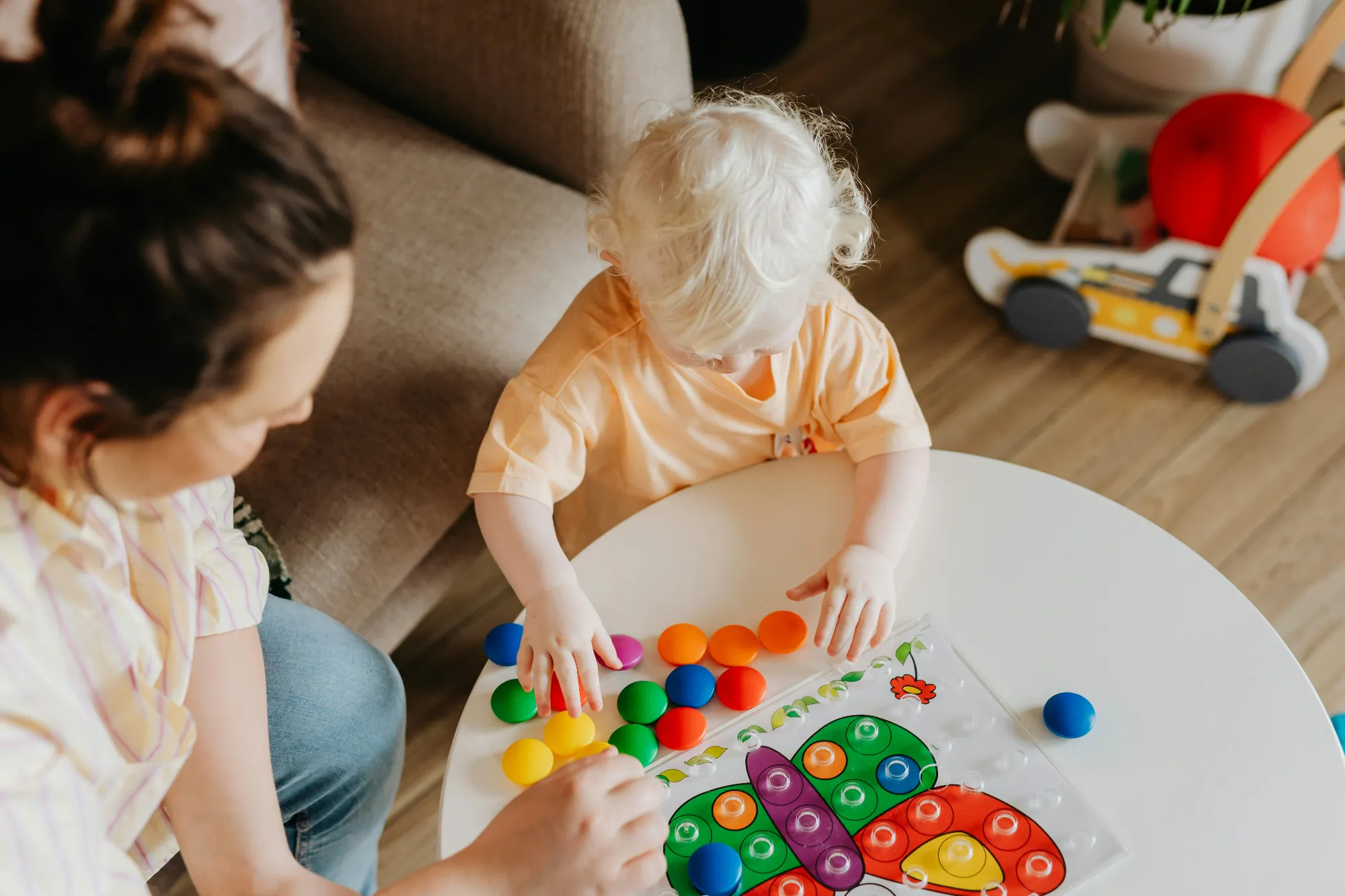
Reading and speech development are like two sidekicks working together to save the day. When children listen to stories or read aloud, they practice articulation, rhythm, and intonation. Storytime becomes a playground for language, where kids mimic sounds, learn new phrases, and build the confidence to share their own stories. Our play-based approach at MetroEHS harnesses this magic, using activities like storytelling and role-playing to make speech practice feel like an adventure.
For example, a child might act out a scene from their favorite book, practicing words like “roar” or “zoom” with a therapist’s guidance. These playful interactions not only improve speech clarity but also boost emotional well-being by creating a safe space for self-expression. Plus, reading together with parents or caregivers strengthens family bonds, aligning with our collaborative care model to empower families for long-term success.
Here’s the superhero secret: timing is everything.
The earlier we nurture reading and speech development, the greater the impact. MetroEHS emphasizes intensive early intervention because young brains are wired to learn and adapt. Parents swoop in heroically and read to their little superheroes daily. Therapists address any speech delays or reading challenges, mitigate developmental delays and set children on a path to achieve their full potential. Think of it as giving your child a head-start in their heroic journey!
Unleash Your Child’s Superpowers Today!
Ready to help your little hero soar? At MetroEHS Pediatric Therapy, we’re passionate about revealing the SUPER in every child through compassionate, play-based care. Learn how our evidence-based therapies can empower your child’s reading and speech development. Contact us today to schedule a consultation and join our mission to foster connection, engagement, and success!