Why Does Play-Based Therapy Work? 3 Reasons It Helps Children Thrive

child's hands playing with colorful beads on a table

How Play Unlocks Potential

Play isn’t just fun; it’s how kids learn best. It gives them the freedom to explore their abilities while feeling safe and supported. Imagine a young hero practicing teamwork by pretending to save the world with their peers or strengthening fine motor skills while building a block tower taller than a skyscraper. These playful missions help kids grow in ways that traditional methods simply can’t.

The BIG THREE Additions to Heroes’ tool belts.

  1. Improved Social Powers: Group games teach kids how to share, collaborate, and communicate—turning them into master team players.
  2. Problem-Solving Super Skills: Puzzles and pretend play help young heroes learn to think critically and creatively.
  3. Emotional Resilience: Role-playing scenarios give kids the tools to navigate their feelings and build confidence.

The Power of Play

In the world of superheroes, a child’s business is play. Through play-based therapy, skilled therapists use games, toys, and imaginative scenarios to help kids develop essential skills. Whether it’s building social connections, improving motor abilities, or boosting communication skills, every playful moment is designed with purpose—turning fun into progress.

For children, play is more than just a pastime; it’s the key to unlocking their unique powers. At MetroEHS, play-based therapy ensures every child has the chance to soar, grow, and shine—because every superhero deserves to feel unstoppable.

Continue Reading

May 16, 2023

What Is Intensive Feeding Therapy at MetroEHS and How Does It Work?

What is the Intensive Feeding Therapy Program Like at MetroEHS?

As we dive into the details of the Intensive Feeding Therapy Program at MetroEHS, hear from the experts at MetroEHS and how they collaborate on the most wholistic approach to Intensive Feeding Therapy.

Jessica Hunt (Occupational Therapist/Feeding Specialist):
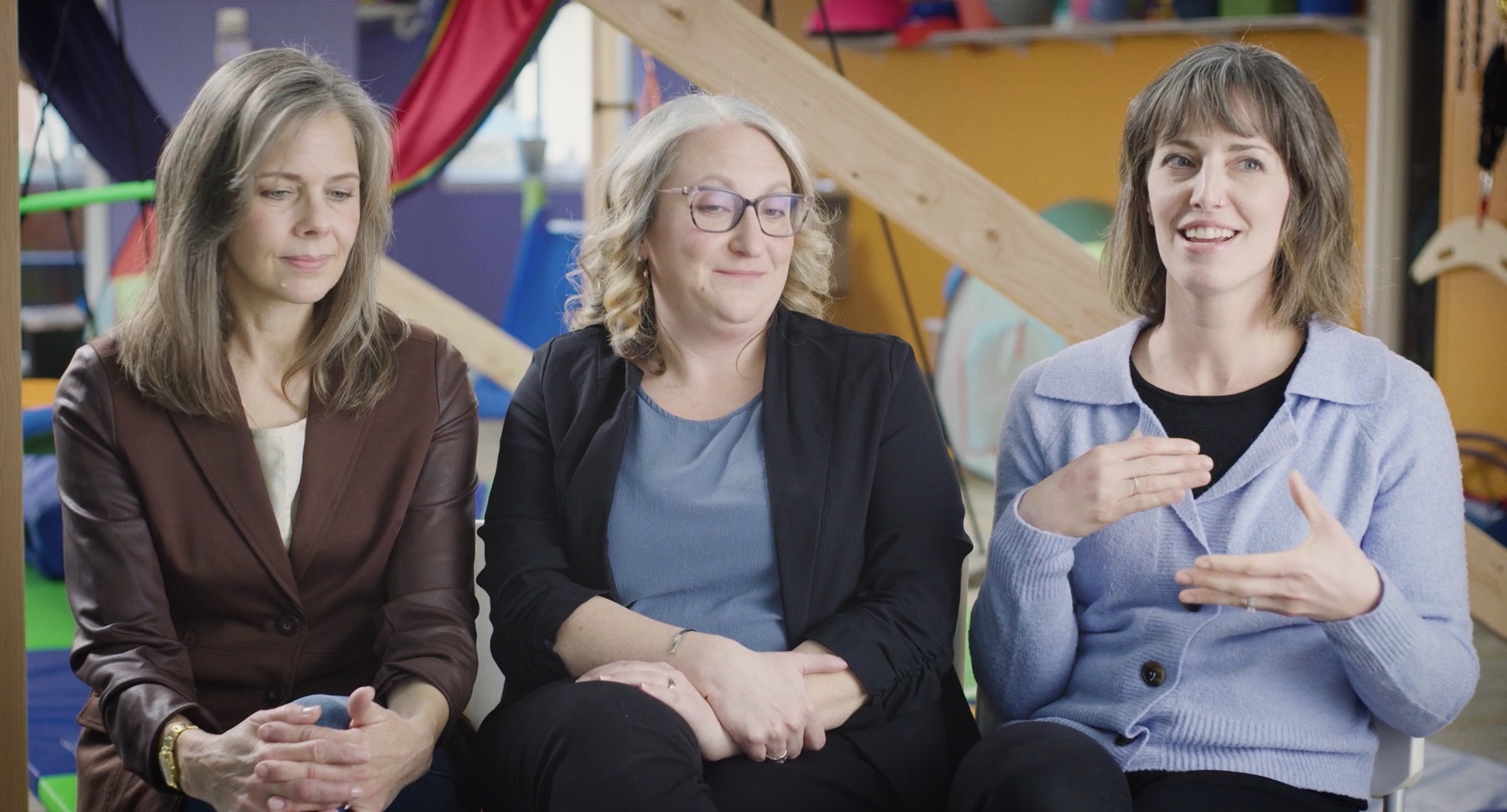
When it comes to treating children who have complex feeding difficulties and pediatric feeding issues, there's a multitude of things that are typically at the root of the problem. So what's very unique about the program that we have here is that we have involvement from both occupational therapy, speech and language therapy, physical therapy, a dietician, as well as psychology.

Rose Britt (Registered Dietitian):
So it's all five disciplines. Spending time together with the family, with the patient, with each other, all talking at one cohesive time, making a plan instead of grabbing pieces from all over the place and putting them together. I think it makes it a lot smoother for us and the families as well.

Kris Krajewski (Director PT, OT, and Speech Services/SLP):
Each of our disciplines really does have something to offer to this process, but when we work all together, we have the ability to help our kiddos make more progress more quickly.

Kayla Daniels (Physical Therapist):
At Metro, we really take a whole body approach. We don't just look at one aspect of the child. And a lot of people don't think of physical therapy as part of the feeding team, but in order to eat, you have to use all of these posture and muscles, you have to hold yourself up. You have to hold your head up to be able to swallow. So really focusing on all of those aspects of your body is really important to be able to make the progress.

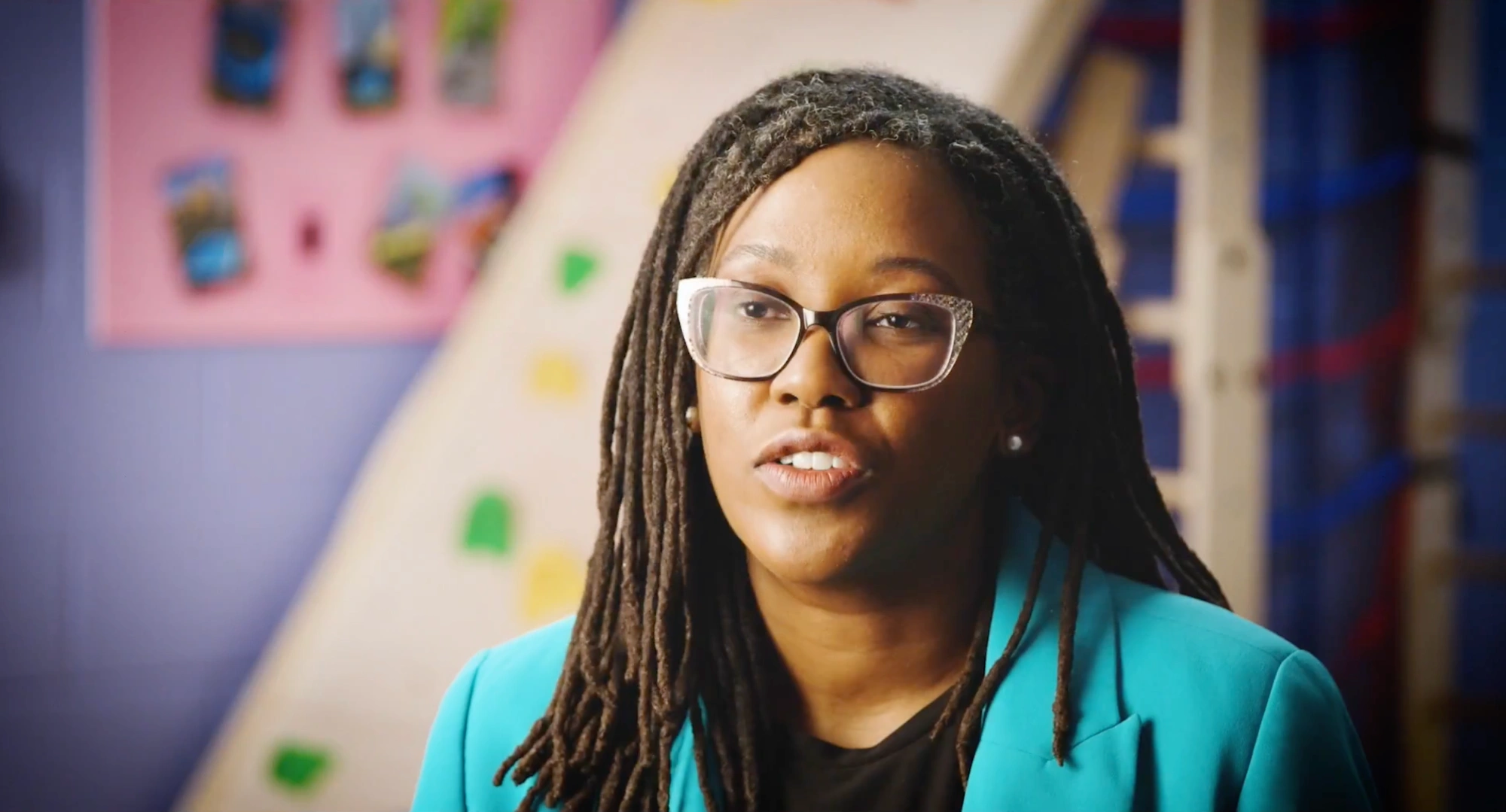
Azari Haygood (Psychologist):
As a psychologist on staff for the Intensive Feeding Program, I offer mental health services to the families and to some of the clients. It's very stressful for a lot of these families. It's stressful for the clients that we see. And so, I offer just another support for them, where I'm helping them kind of overcome some of the stressors that they're experiencing around feeding.

Rose Britt (Registered Dietitian):
It's not just me telling you what to do. There's so much more going into that, and you get to really listen to the families and hear why it's not working and problem solve together.

Kayla Daniels (Physical Therapist):
The impact you can make, not only on the child's life, but on the family's life as a whole is huge.

Azari Haygood (Psychologist):
Seeing that improvement in their family's lives feels really great all around.

Jessica Hunt (Occupational Therapist/Feeding Specialist):
One in 23 children have a pediatric feeding issue. And so, to truly be able to address all of the aspects of that in one place, that's where we get to make a difference every single day.

Kris Krajewski (Director PT, OT, and Speech Services/SLP):
It's like when you have a jigsaw puzzle and you're missing one piece, you can still tell what the picture of the jigsaw puzzle is going to be, but when you have all of the pieces together, integrated into this treatment, the result is just something so much more beautiful.


July 14, 2023

Navigating Grand Parenting Challenges: A Pathway to Expertise and Support

In the fast-paced world of grand parenting, it’s crucial to stay informed and equipped with the best solutions for raising grandchildren. With approximately 3 million grandparents across the United States taking on the responsibility of raising their grandkids, there is a growing need for expert guidance and support. That’s where the podcast “It’s a Grand Life” comes in, connecting listeners with subject matter experts who understand the unique challenges faced by grand families.

A Valuable Resource:

In a recent episode, host Craig Nash warmly welcomed new listeners from Texas, Nevada, Colorado, Florida, and Alabama. He emphasized the importance of being informed about the best solutions for raising grandkids, setting the objective of “It’s a Grand Life” to present subject matter experts who can provide valuable insights and information.

Expertise in Pediatric Therapies:

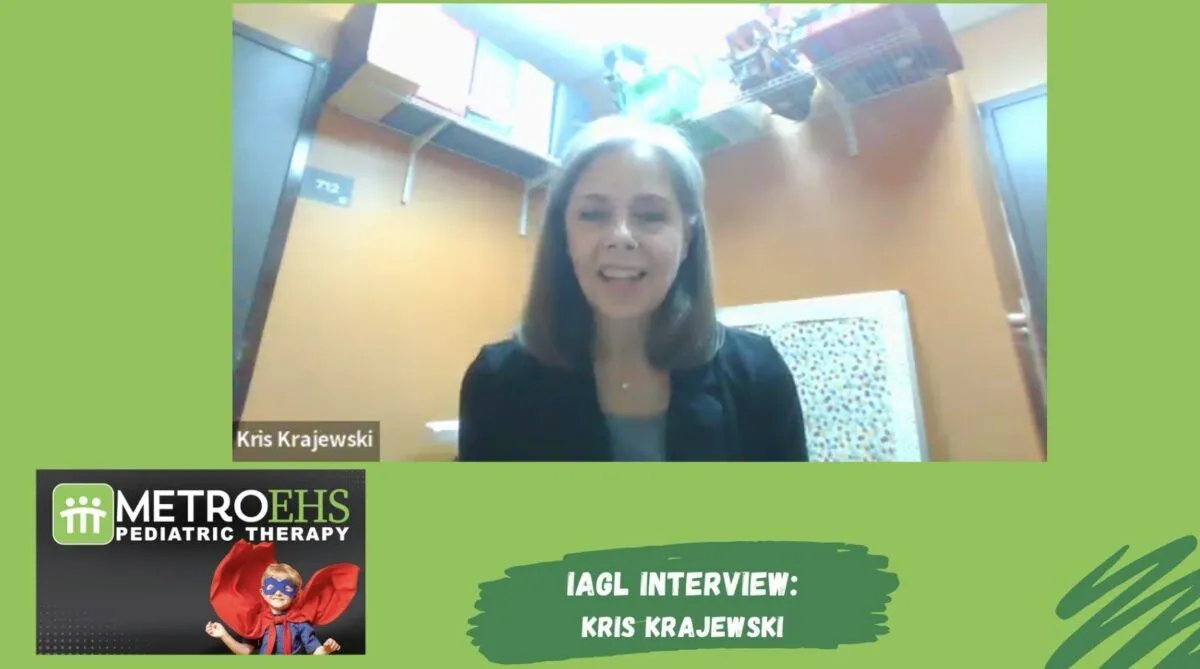
The guest of the episode was Kris Krajewski, a speech and language pathologist with MetroEHS Pediatric Therapy, a group dedicated to pediatric therapy in Michigan. Kris shared her background and expertise in speech and language pathology, highlighting her passion for working with children and her personal experience as a parent of a child with Down syndrome.

Comprehensive Approach to Care:

MetroEHS offers a wide range of therapies, including speech, physical, and occupational therapy, as well as applied behavior analysis (ABA) and mental health services. Their focus is on a holistic and coordinated approach, providing support not only to the children but also to their families and caregivers. By incorporating various services, MetroEHS aims to address the unique needs of each child and help them reach their full potential.

Addressing Feeding and Swallowing Issues:

Kris shed light on pediatric feeding disorders, a relatively new diagnosis, and emphasized the importance of understanding the sensory challenges that some children face when it comes to food. MetroEHS provides interventions to help children develop tolerance for different textures and improve their chewing and swallowing abilities.

Navigating the Path to Treatment:

To begin the journey of seeking therapy services, Kris advised starting with a discussion with the child’s pediatrician, who can refer them to appropriate specialists for evaluations and treatments. MetroEHS collaborates with pediatricians, school districts, and insurance providers to ensure comprehensive and accessible care for children.

Supporting Grand Families:

The podcast episode acknowledged that the journey of raising grandchildren can be overwhelming, but it highlighted the importance of seeking help and support. MetroEHS welcomes inquiries and assists families in finding the right resources for their specific needs. Additionally, the Autism Alliance of Michigan was recommended as an excellent resource for families dealing with autism-related concerns.

Raising grandchildren comes with unique challenges, but resources like “It’s a Grand Life” and organizations like MetroEHS provide valuable expertise and support for grand families. By accessing specialized therapies and collaborating with professionals, grandparents can help their grandchildren thrive. Remember, you are not alone in this journey, and there are pathways to assistance and resources available to support you and your grand family along the way.

April 22, 2024

Empowering Communication for Children with Autism: A Look at Therapy Interventions

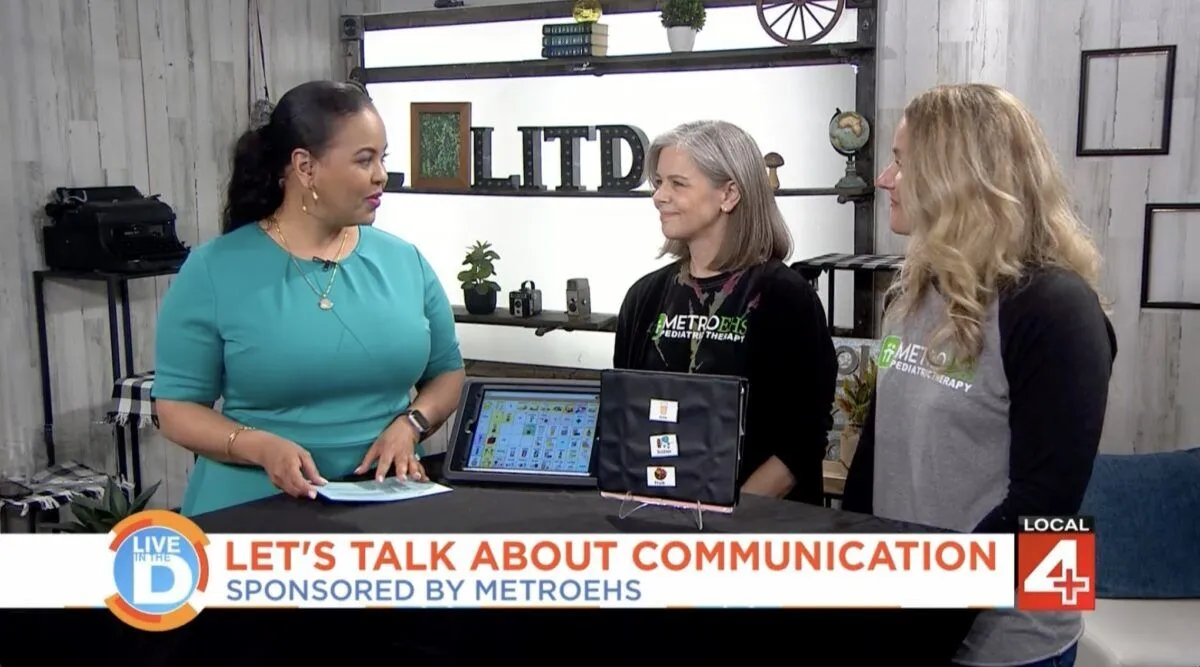
In a recent airing of Live in the D, sponsored by MetroEHS Pediatric Therapy, the spotlight was on Autism Awareness Month, shedding light on how children on the autism spectrum can benefit from life-changing therapy. MetroEHS, a pediatric neighborhood therapy company with multiple locations across Metro Detroit, including expanding services, is dedicated to enhancing the quality of life for children with various therapy needs, including autism.

Deanna Coker, a board-certified behavioral analyst, and Kris Krajewski, a speech therapist with MetroEHS, joined the show to discuss how therapy can significantly impact children’s communication skills.

Understanding Communication Challenges in Autism

Deanna explained that autism, as a developmental disability, often presents challenges in social interaction and communication. Unlike typically developing children who learn language by observing and imitating, children with autism struggle to find meaningful ways to communicate, despite their desire to do so.

The Role of Speech Therapy

Kris emphasized that speech therapy is essential for children with autism, given that communication difficulties are a hallmark characteristic of the condition. Speech therapists, like those at MetroEHS, work to identify barriers to communication and introduce alternative methods for expressing thoughts and needs.

Speech Therapy Interventions

Kris introduced an innovative tool called the AAC device (Alternative and Augmentative Communication), essentially an iPad loaded with specialized software designed exclusively for communication purposes. This device enables children to select words and icons to express themselves, giving them a voice and autonomy in their interactions.

Empowering Communication Through Tools

Deanna highlighted another communication aid, the PECS book (Picture Exchange Communication System), a low-tech solution that uses pictures to help children convey wants, needs, and preferences. By selecting and exchanging pictures, children can effectively communicate with caregivers, enhancing their independence and self-expression.

The conversation between Deanna, Kris, and the show’s host highlighted the importance of therapy in empowering children with autism to communicate effectively. Through innovative interventions and specialized tools, such as AAC devices and PECS books, children can overcome communication barriers and actively engage with the world around them.

For families seeking therapy services for their children, MetroEHS offers comprehensive support, including ABA, speech, occupational, feeding, and physical therapies. With multiple locations across Metro Detroit and additional centers on the way, MetroEHS aims to make therapy accessible and impactful for families in need.