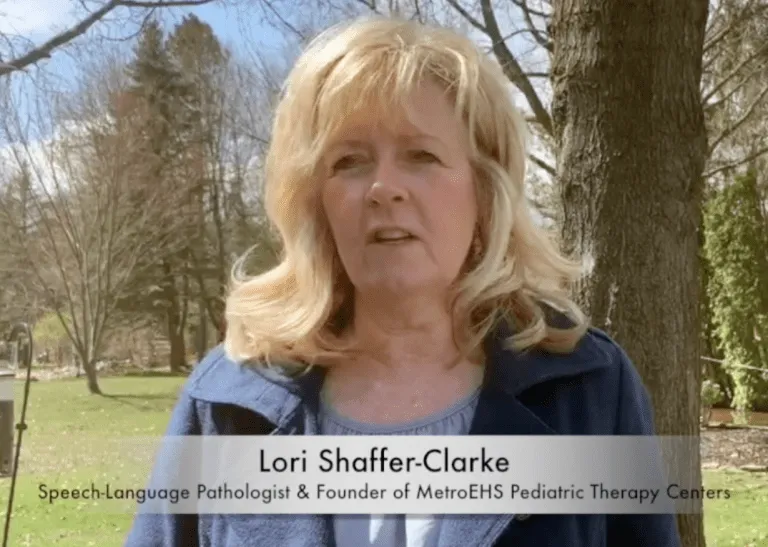










3 Benefits of Teletherapy

Continue Reading

September 26, 2025

Why Does Play-Based Therapy Work? 3 Reasons It Helps Children Thrive

How Play Unlocks Potential

Play isn’t just fun; it’s how kids learn best. It gives them the freedom to explore their abilities while feeling safe and supported. Imagine a young hero practicing teamwork by pretending to save the world with their peers or strengthening fine motor skills while building a block tower taller than a skyscraper. These playful missions help kids grow in ways that traditional methods simply can’t.

The BIG THREE Additions to Heroes’ tool belts.

  1. Improved Social Powers: Group games teach kids how to share, collaborate, and communicate—turning them into master team players.
  2. Problem-Solving Super Skills: Puzzles and pretend play help young heroes learn to think critically and creatively.
  3. Emotional Resilience: Role-playing scenarios give kids the tools to navigate their feelings and build confidence.

The Power of Play

In the world of superheroes, a child’s business is play. Through play-based therapy, skilled therapists use games, toys, and imaginative scenarios to help kids develop essential skills. Whether it’s building social connections, improving motor abilities, or boosting communication skills, every playful moment is designed with purpose—turning fun into progress.

For children, play is more than just a pastime; it’s the key to unlocking their unique powers. At MetroEHS, play-based therapy ensures every child has the chance to soar, grow, and shine—because every superhero deserves to feel unstoppable.

August 26, 2020

Therapeutic Preschool

MetroPrep Academy is a Therapeutic Preschool designed specifically to help children with delays succeed!

Allie is a speech pathologist that works at MetroPrep Academy. We are so excited about this preschool for children that need a little bit of help before they go to general education or community school. Our preschool offers kids, ages two to seven, with autism, down syndrome, speech and language delays, or sensory delays, the extra support that they need. Because we have professionals in the classroom with them, to help them in a smaller size, so they can get the individual attention that they need. We have a BCBA that’s able to help with behaviors. A speech pathologist that’s going to be developing those speech and language skills to get them ready to communicate with their teachers and peers in classrooms. An occupational therapist that’s going to integrate sensory systems and big activities, big movement activities, with the gym here. And a preschool teacher who’s, of course, going to teach things like the alphabet and colors and build the foundation that they need for school. So we would love to have you come check out MetroPrep Academy.

April 30, 2020

Does Online Speech Teletherapy Work

Teletherapy, also called tele-practice or tele-speech, has become more popular during the uncertain circumstances and stay at home orders of COVID-19. Teletherapy can bring a sense of familiarity in uncertain times, as your child can have a weekly live speech therapy visit with a consistent speech language pathologist (SLP). A relationship is built, and the therapist and child share smiles and laughter in between working on their goals. With teletherapy, children can continue to receive continuity of care even as they stay safe at home! But does this foreign method of attending speech therapy really work?

Research is largely in agreement: Teletherapy is a very effective way of teaching kids speech and language!

With teletherapy, speech therapy is provided via a video chat platform that is secure. MetroEHS’s online platform includes fun games, a box for clients to watch applicable videos and talk through worksheets or read stories, screen share, practice cards, and, of course,  a live-streaming video SLP guiding them through all of it. All of these features engage most children, including those on the Autism Spectrum. This 1:1 teletherapy has been proven effective: according to a review of 7 studies of school-aged children, “telehealth is a promising method for treating children” (1). Another study looking specifically at children with ASD stated, “All [14] studies reported high levels of programme acceptability and parent satisfaction with the telehealth component of the intervention” (2). And another states, “Emerging research in telepractice treatment for ASD clients already shows success in both direct and indirect interactions” (3).

If a child is too young or difficult to engage, the SLP may opt for a parent training approach. The parent will receive a list of supplies to gather from around the house, and the SLP will teach the parent how to target the child’s goals. The parent is encouraged to ask questions, and the SLP coaches as the parent engages their child and completes their goals. This has also been proven effective for children learning language! Evidence suggests, “that parent-mediated intervention training delivered remotely can improve parents’ knowledge in [autism spectrum disorder] ASD, parent intervention fidelity, and subsequently improve the social behavior and communication skills of their children with ASD (4).

Feeding Therapy can be provided with a similar model. The SLP guides the caregiver during the session, and talks through strategies and techniques for children accepting the food, chewing, and swallowing. Providing feeding therapy online can be beneficial because the SLP can see where the child typically sits, the types of eating utensils that are used, and overall family dynamic- all of which play a major role in carryover of skills to the home environment. What better way to support generalization to home, than having therapy in the home! Feeding Teletherapy, too, is an excellent and effective substitute to in-person therapy, according to research (5)!

As you can see, teletherapy is a powerful alternative to in-person therapy, especially during situations when receiving in-person therapy is difficult or impossible for families. If you would like more information about teletherapy, to enroll your child, or a free “Teletherapy Tour” to see our platform, please contact MetroEHS today!

Resources

  1. 2017. Wales, D., Skinner, L., et al. The Efficacy of Telehealth-Delivered Speech and Language Intervention for Primary School-Age Children: A Systematic Review. International Journal of Telerehabilitation, 9(1), 55-70.
  2. 2018. Sutherland, R., Trembath, D., et al. Telehealth and Autism: A Systematic Search and Review of the Literature. International Journal of Speech-Language Pathology, 20(3), 324-336.
  3. 2015, April 28. Cornish, Nate. Social Mediating: Using Telepractice for Clients With Autism. ASHAwire.
  4. 2017. Parsons, D., Cordier, R., et al. Parent-Mediated Intervention Training Delivered Remotely for Children With Autism Spectrum Disorder Living Outside of Urban Areas: Systematic Review. Journal of Medical Internet Research, 19(8), e198.
  5. 2008. Clawson, Seldon, Lacks, Deaton, Hall, Bach. Complex pediatric feeding disorders: using teleconferencing technology to improve access to a treatment program. Pediatric Nursing, 34(3): 213-6.